
 简体中文
简体中文 English
 русский
 Español
Home / News / Industry News / How does the Motor Stator And Rotor Core compare in energy loss reduction to laser-engraved laminated core designs?
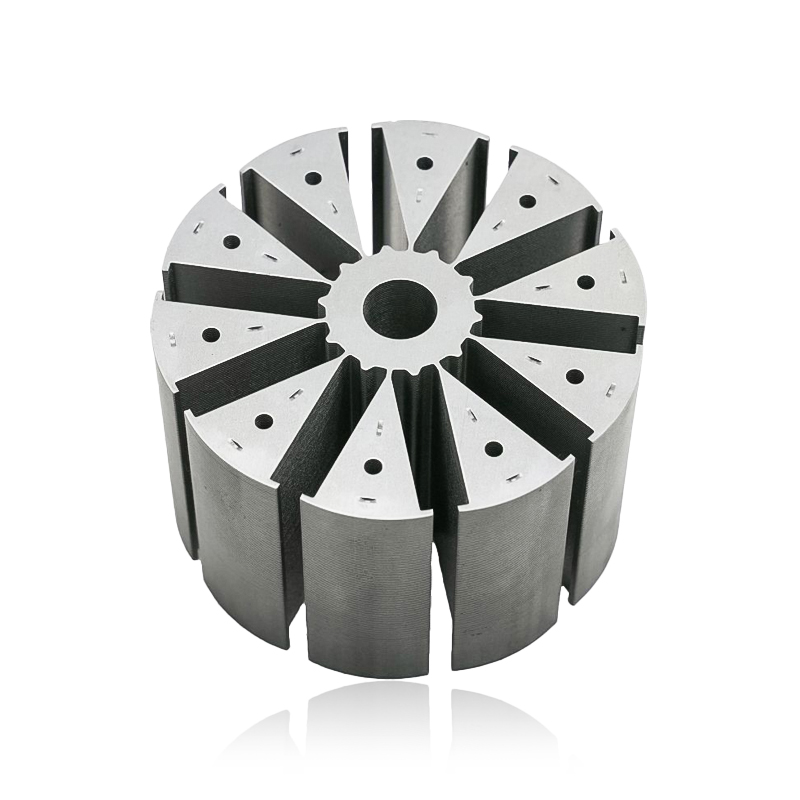
How does the Motor Stator And Rotor Core compare in energy loss reduction to laser-engraved laminated core designs?
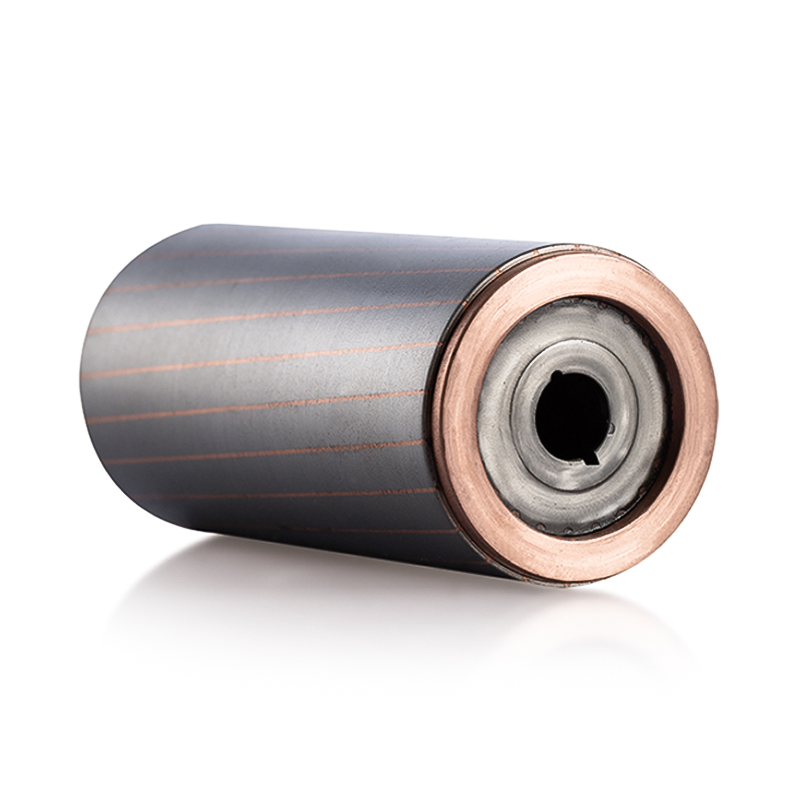
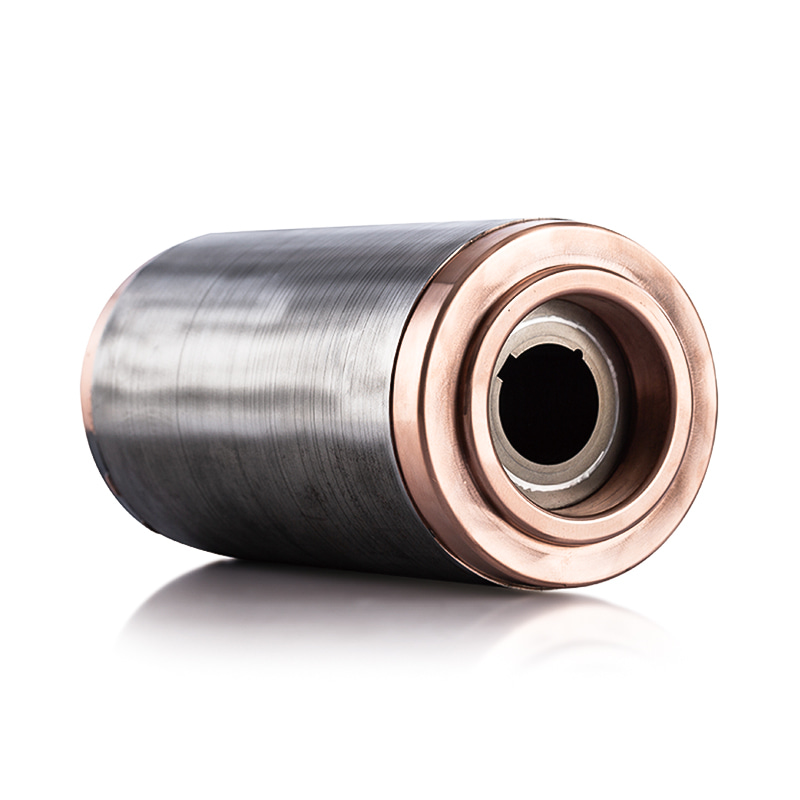
The Motor Stator And Rotor Core generally shows moderate energy loss reduction performance, but it typically underperforms compared to modern laser-engraved laminated core designs in high-efficiency applications. In controlled testing scenarios, laser-engraved lamination structures can reduce core losses by 12% to 25% depending on frequency and material grade, while conventional motor stator and rotor assemblies usually achieve improvements in the range of 5% to 12% when optimized.
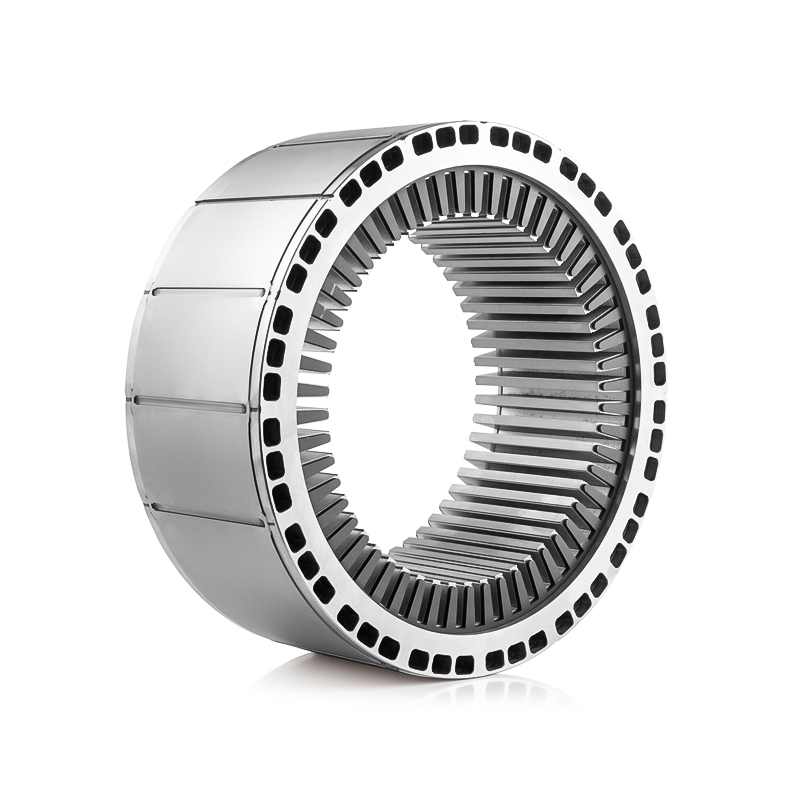
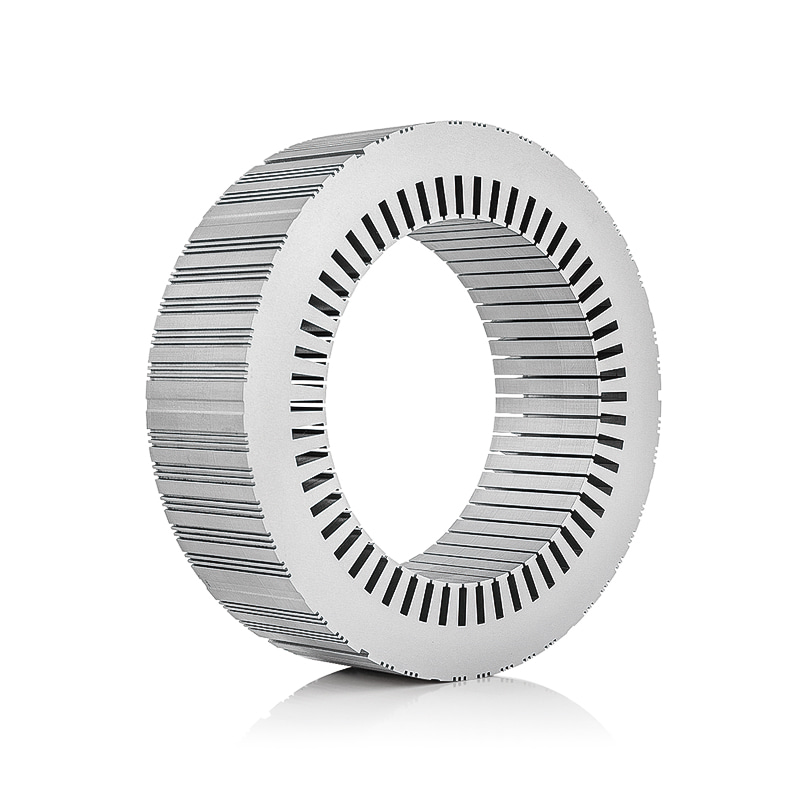
The key reason is that laser-engraved laminated stator core technology minimizes eddy current paths more effectively and improves magnetic flux alignment, while traditional motor stator and rotor core structures rely more heavily on material selection and standard lamination stacking techniques.
Structural Differences in Energy Loss Mechanisms
Energy loss in electrical machines is primarily divided into hysteresis loss, eddy current loss, and additional stray losses. The Motor Stator And Rotor Core reduces losses mainly through conventional silicon steel lamination, whereas the laminated stator core approach enhanced with laser engraving introduces micro-channel separation that further disrupts circulating currents.
Eddy Current Suppression
Laser-engraved surfaces reduce eddy current loops by increasing inter-laminar resistance. Measurements show that eddy current losses can drop by 15–30% compared to standard Motor Stator And Rotor Core configurations in high-frequency motors operating above 1000 Hz.
Hysteresis Behavior
Hysteresis losses depend heavily on material grain orientation. While both systems may use similar electrical steel grades, laser-processed laminated stator core designs often achieve improved grain stability during cutting and engraving, reducing hysteresis losses by approximately 5–10%.
Efficiency Comparison in Real-World Applications
In industrial motors, traction systems, and high-speed compressors, efficiency differences between the Motor Stator And Rotor Core and laser-engraved laminated stator core systems become more pronounced as rotational speed increases.
| Feature | Motor Stator And Rotor Core | Laser-Engraved Laminated Core |
|---|---|---|
| Core Loss Reduction | 5%–12% | 12%–25% |
| Eddy Current Loss | Moderate reduction | Significantly reduced |
| High-Frequency Performance | Declines above 800 Hz | Stable up to 1500 Hz+ |
| Manufacturing Cost | Lower | Higher due to precision processing |
This comparison shows that while the Motor Stator And Rotor Core remains cost-effective, the laminated stator core enhanced with laser engraving clearly leads in energy efficiency and high-speed performance stability.
Material and Manufacturing Influence on Loss Reduction
Material selection and manufacturing precision strongly influence energy loss characteristics. The Motor Stator And Rotor Core typically uses standard silicon steel sheets with mechanical stamping, while advanced laminated stator core designs integrate laser engraving or laser cutting to reduce burr formation and microstructural damage.
Manufacturing Precision
Laser-engraved processes reduce edge roughness to less than 10 micrometers, compared to stamping processes which may exceed 25 micrometers. This reduction directly improves magnetic alignment and reduces localized eddy currents.
Stacking Factor Optimization
A higher stacking factor improves magnetic density. Laser-processed laminated stator core assemblies typically achieve stacking factors of 0.97–0.98, while conventional Motor Stator And Rotor Core systems range between 0.93–0.95.
Application-Specific Performance Differences
Different industrial environments highlight the strengths and weaknesses of each design. The Motor Stator And Rotor Core is widely used in cost-sensitive applications, while the laminated stator core with laser engraving is preferred in high-efficiency and precision-driven systems.
- Industrial Pumps and Fans: Motor Stator And Rotor Core is sufficient for moderate efficiency requirements where cost control is prioritized.
- Electric Vehicles: Laminated stator core designs outperform due to high torque density and reduced thermal losses.
- High-Speed Compressors: Laser-engraved systems maintain efficiency above 10,000 RPM where traditional Motor Stator And Rotor Core systems experience increased losses.
The Motor Stator And Rotor Core provides a balanced solution for general-purpose motor applications, but it is not the most efficient option available. In contrast, laser-engraved laminated stator core technology delivers superior energy loss reduction, particularly in high-speed and high-frequency environments.
From an engineering standpoint, the decision depends on system priorities: if cost and manufacturability dominate, the Motor Stator And Rotor Core remains viable; however, if maximum efficiency and minimal energy loss are required, laser-engraved laminated designs clearly provide a measurable and significant performance advantage.
Previous article
What are the performance differences between welded and bonded Small Motor Stator Core assemblies?
next article
What is the difference in dynamic balancing requirements between a high-speed and a low-speed Water Pump Motor Rotor Core?
Related News
-
What are Stator and Rotor Cores? Stator Cores A stator core is the stationary component of an electric motor. It's the part that houses the copper windings, which, when an electric current passes thro...
See Details -
Introduction The modern automobile is a complex machine, and its evolution has been driven by continuous innovation in every component. While internal combustion engines have dominated the industry fo...
See Details -
The Importance of Material Selection for Rotor and Stator Cores in Electric Vehicle Motors In the design of electric vehicle (EV) motors, material selection is a pivotal factor influencing the motor’s...
See Details -
Introduction of automotive motor stator and rotor cores The increasing popularity of electric vehicles and hybrid electric vehicles has brought about significant advancements in automotive technology....
See Details


Zhejiang Jufeng Technology Co., Ltd. © All rights reserved
