
 简体中文
简体中文 English
 русский
 Español
Jufeng | Tracing the Roots to Understand the Logic of Chips
Unlocking the Core Secrets of Motors
On the evening of June 8, 2026, Zhejiang Jufeng Technology Co., Ltd. officially launched a series of training courses on "Product and Full-Process Control Knowledge" to empower its employees. The first course was personally taught by the company's General Manager, Zhang Huangqing, who explained everything from motor principles to core basics in a simple and easy-to-understand way, leading everyone on a knowledge journey about the "heart of the motor"—the core technology. Originally planned as a small-scale learning session, it ultimately attracted more than 50 colleagues to actively participate, filling the venue to capacity, with a warm and focused learning atmosphere.
1.Tracing the Origins: The "Definition" and "Classification" of Motors
At the beginning of the course, Mr. Zhang presented a map of motor applications in various fields, from household appliances to new energy vehicles. We reviewed the most fundamental definition of a motor—an electromagnetic device that converts or transmits electrical energy based on the law of electromagnetic induction. This basic concept lays a solid theoretical foundation for subsequent technological advancements.
2.The Essence of Materials: Raw Material Grades and Their Impact on Performance
The core raw material for motor cores is electrical steel. Starting with the traditional definition, Mr. Zhang, drawing on his profound professional expertise, incisively pointed out the limitations of the common perception that "electrical steel is simply silicon steel sheet." He constructively proposed a universal definition for electrical steel—encompassing silicon steel, cold-rolled commercial steel, amorphous alloys, etc., corresponding to the different energy efficiency levels required by motors. He then systematically outlined the classification system, dominant mechanisms, and process countermeasures for electrical steel losses, presenting a clear and logical explanation that was both theoretically sound and practically applicable.
Faced with a complex grade table, Mr. Zhang outlined a quick identification logic: taking the Chinese standard 50W470 as an example, "50" represents a thickness of 0.50mm, "W" represents non-oriented, and "470" represents an iron loss value of no more than 4.70W/kg. The smaller the number, the better the performance and the higher the price. Meanwhile, special grades for new energy vehicles (such as 20NV1200) represent the future growth potential of the high-end market, which places higher demands on the precision of stamping processes and material utilization.
3.The Soul of Manufacturing: Preventing Core Rust Throughout the Process
Addressing pain points in manufacturing, Mr. Zhang specifically added a special topic on "The Principle and Prevention Strategies of Core Rusting." The rusting principle is 4Fe + 3O₂ + 2xH₂O → 2Fe₂O₃·xH₂O. Rust prevention of the core is not only related to aesthetics but also directly affects the insulation performance and service life of the motor. The following are the key measures we need to implement: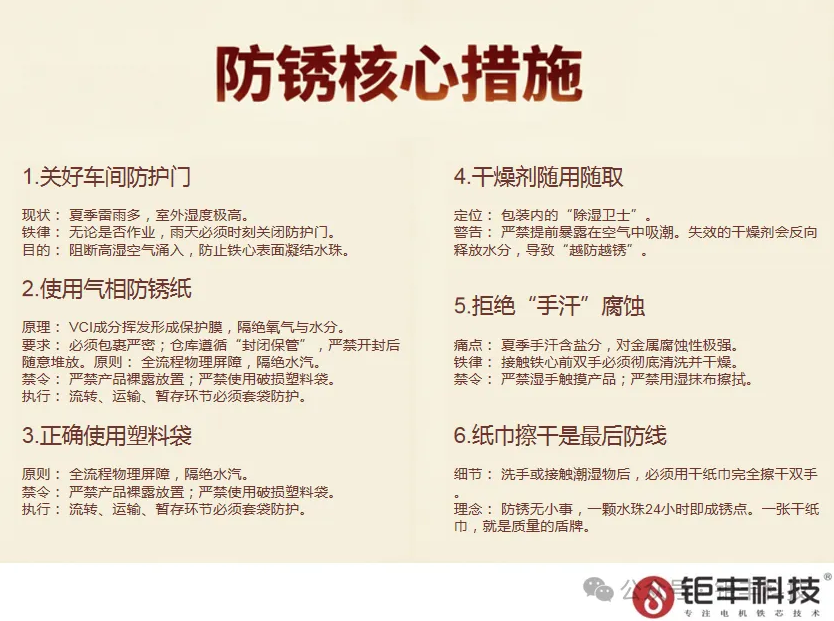
Future Outlook
As Mr. Zhang said in class, "Although motors are small, there is a great deal of knowledge involved. We focus on core technology because we want to achieve excellence in this field." Learning has no end, and innovation never stops. Let us carry this awe and love for technology and transform what we have learned tonight into striving for excellence in our work tomorrow. Jufeng Technology, focusing on motor core technology, we are always on the road!
Previous article
There are no shortcuts to success, now is the time to strive
next article
Shift Handover And Class Meetings: Strengthen management, optimize class meetings, and strictly enforce handover procedures
Related News
-
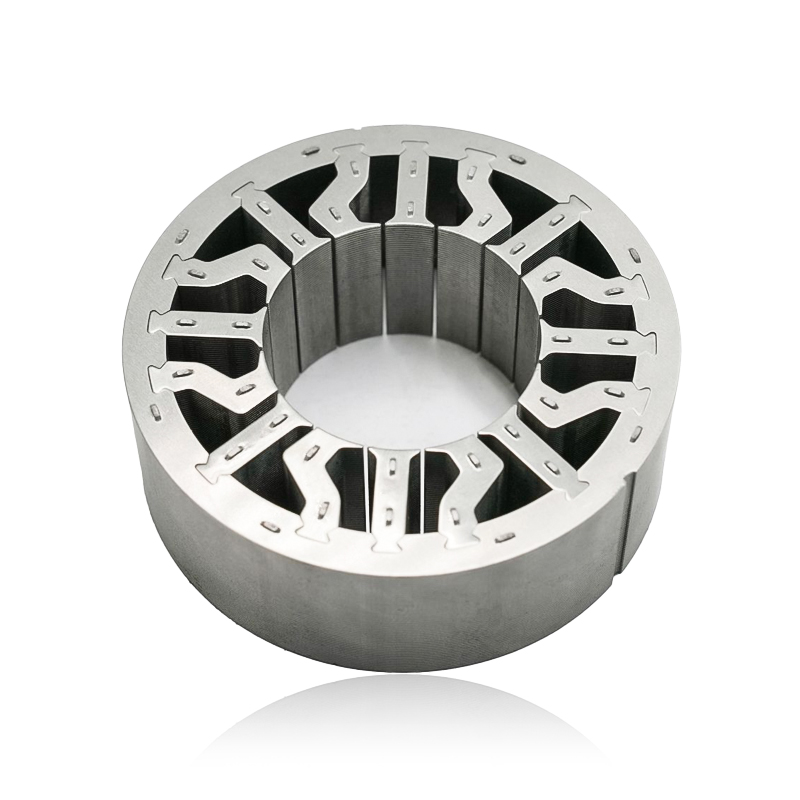
What are Stator and Rotor Cores? Stator Cores A stator core is the stationary component of an electric motor. It's the part that houses the copper windings, which, when an electric current passes thro...
See Details -
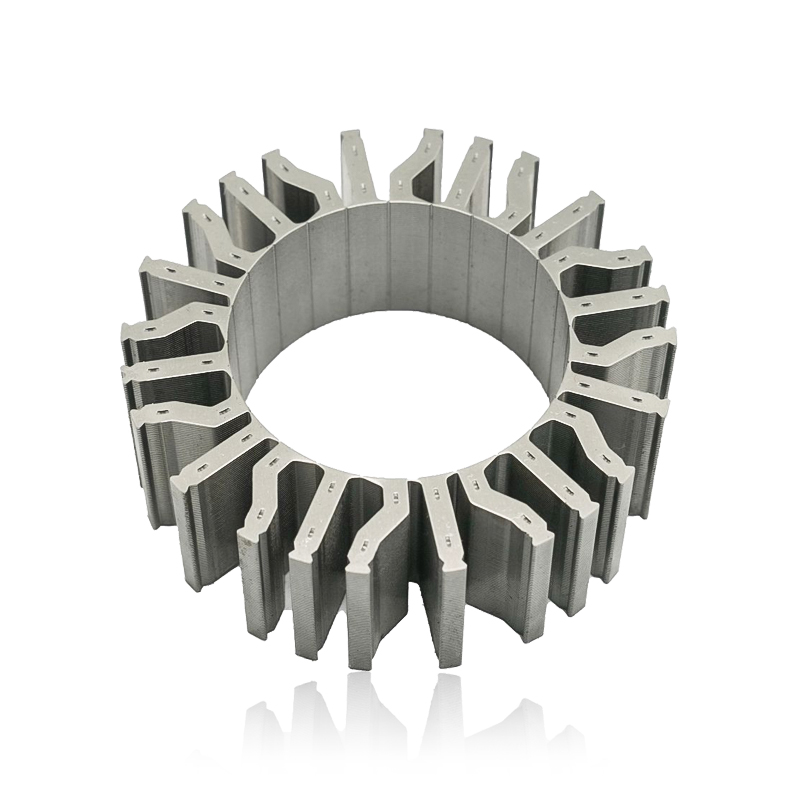
Introduction The modern automobile is a complex machine, and its evolution has been driven by continuous innovation in every component. While internal combustion engines have dominated the industry fo...
See Details -
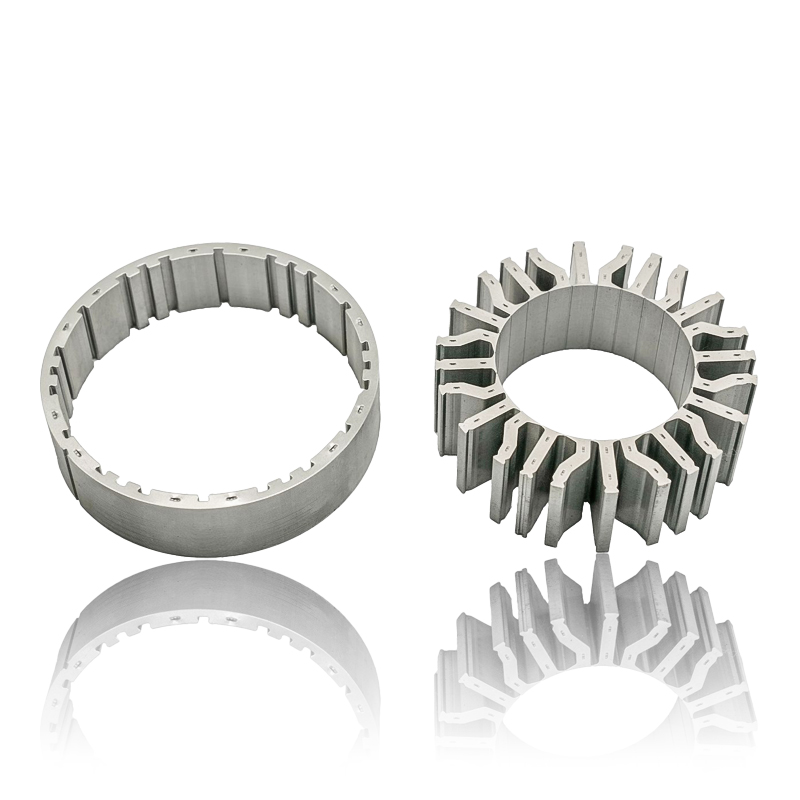
The Importance of Material Selection for Rotor and Stator Cores in Electric Vehicle Motors In the design of electric vehicle (EV) motors, material selection is a pivotal factor influencing the motor’s...
See Details -
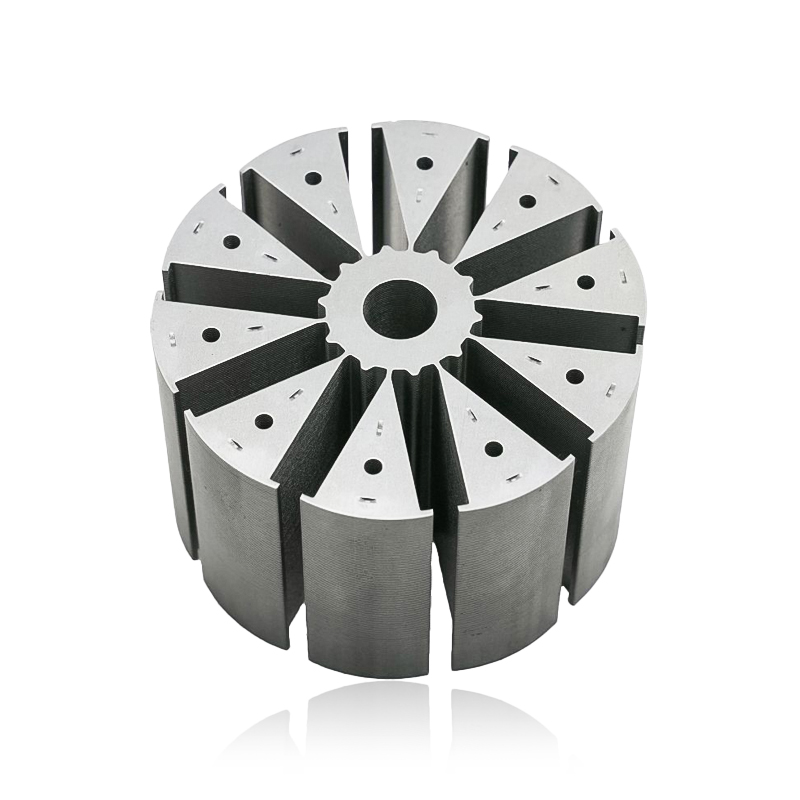
Introduction of automotive motor stator and rotor cores The increasing popularity of electric vehicles and hybrid electric vehicles has brought about significant advancements in automotive technology....
See Details


Zhejiang Jufeng Technology Co., Ltd. © All rights reserved
