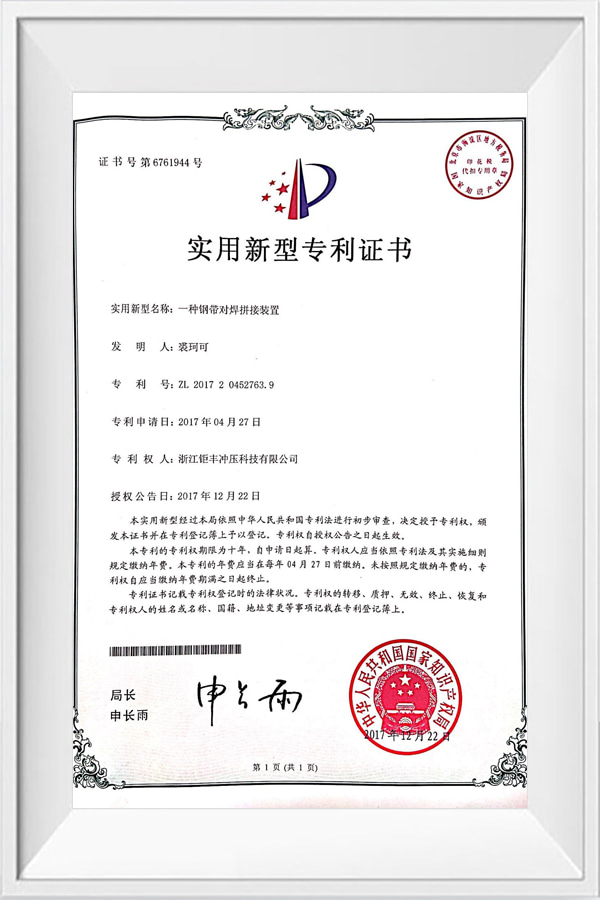
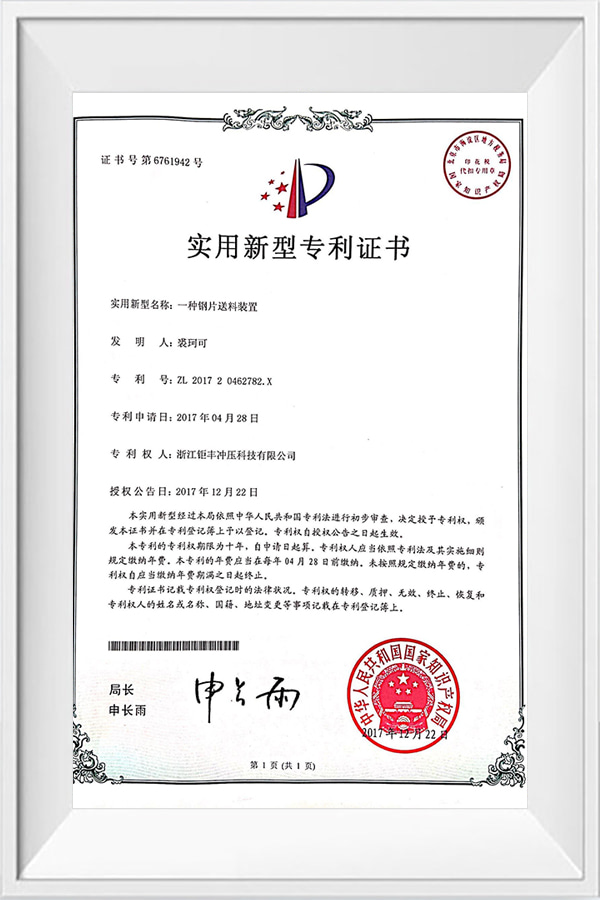
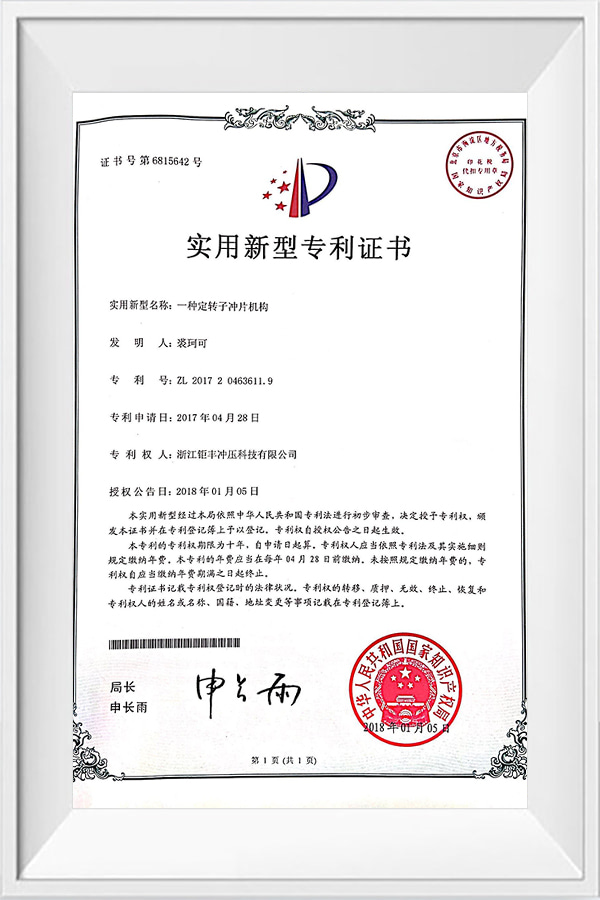
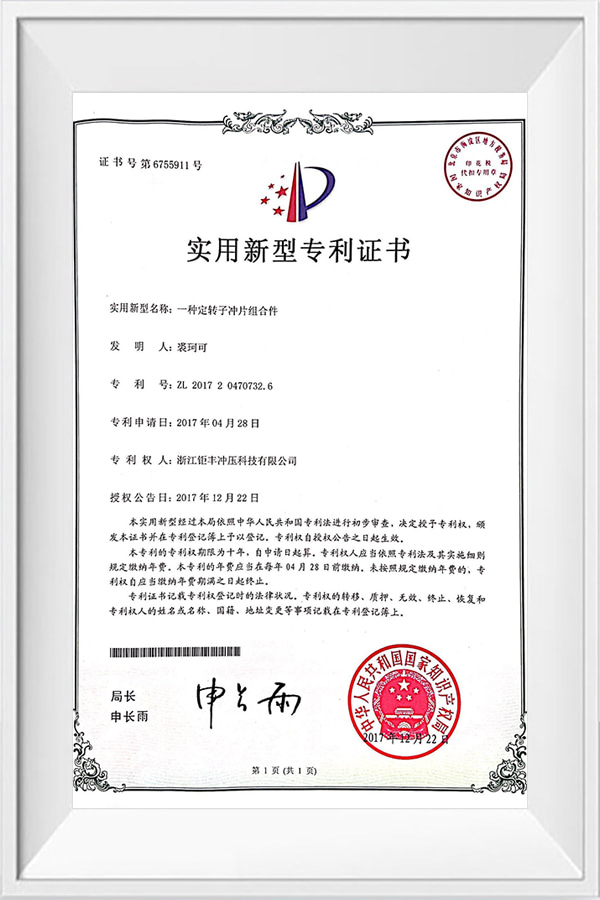
The Distinct Differences in ESP Motor Core Manufacturing and Jufeng's Technical Advantages
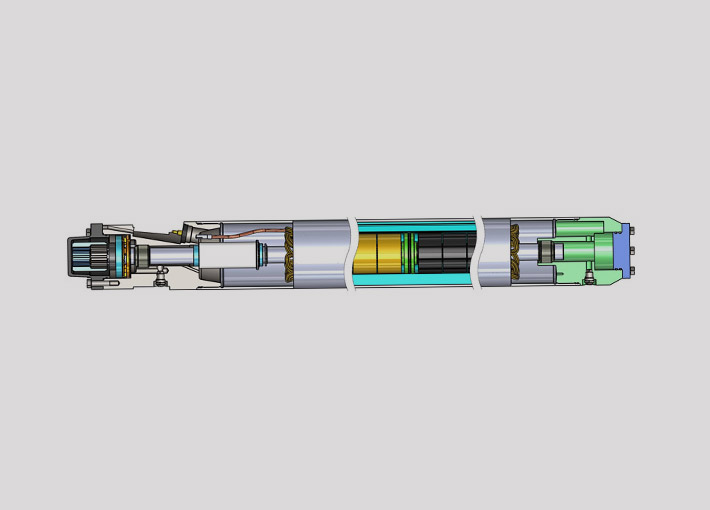
Zhejiang Jufeng Technology Co., Ltd., since its establishment in 1998, has always adhered to the core values of "love, integrity, creation, and win-win," and has been deeply rooted in the field of motor stator and rotor manufacturing for over two decades. We understand that while all motor cores share a common purpose, the manufacturing process for Electric Submersible Pump (ESP) motor cores has fundamental differences from those for ordinary industrial motors. These distinctions are not merely about size and power; they stem from the extremely harsh application environment of deep wells—characterized by high temperatures, high pressure, and corrosive fluids. These special conditions demand a level of performance and reliability from the core that far exceeds that of a standard motor.
Differences in Material Selection and Pre-treatment
Ordinary motor cores typically use conventional silicon steel sheets (e.g., M23, M27 grades), with the primary considerations being reduced iron loss and guaranteed magnetic properties. However, ESP motor cores operate in environments where temperatures can reach 180℃ or higher, potentially coming into contact with corrosive agents like oil, gas, and hydrogen sulfide. This requires the silicon steel to have superior temperature and corrosion resistance. At Zhejiang Jufeng Technology, we not only focus on the magnetic properties of the silicon steel but also work closely with upstream material suppliers to select special grades that are high-temperature and corrosion-resistant. Furthermore, during the pre-treatment phase before stamping, we apply a specialized insulating coating to ensure the core maintains excellent inter-laminar insulation in high-temperature, high-pressure environments, effectively suppressing eddy currents and reducing loss.
Significant Differences in Stamping Technology and Die Engineering
Stamping for ordinary motor cores primarily focuses on production efficiency and dimensional accuracy. In contrast, the manufacturing of ESP motor cores prioritizes high precision and high reliability.
Die Precision: ESP motor cores are often axially long, and each lamination must have extremely high dimensional consistency to ensure the concentricity and overall precision of the stacked core. As a "National Specialized and Innovative Small Giant Enterprise," Jufeng leverages its profound expertise in die design and manufacturing to develop high-precision progressive dies specifically for ESP cores. These dies effectively control burrs and flatness, ensuring each lamination meets stringent technical standards.
Lamination Stacking Technology: Unlike ordinary motors that use riveting or welding for stacking, ESP motor cores often rely on more reliable interlocking or bonding techniques. Of these, in-mold/out-of-mold adhesives are a key technology that Jufeng has been investing in heavily. This process involves applying a special adhesive to the surface of the lamination, which is then cured with heat to form a strong, seamless unit. This significantly enhances the core's mechanical strength and vibration resistance, which is critical for stable motor operation in deep wells. This technology not only reduces eddy current loss but also improves the core's heat dissipation.
The Uniqueness of Casting and Assembly Processes
The manufacturing process for ESP motor rotors, particularly cast copper rotors, is highly demanding. The choice between cast aluminum and cast copper rotors directly impacts the motor's power density and torque. Jufeng Technology has deep technical expertise in casting, especially in cast copper technology. Compared to cast aluminum, cast copper rotors have lower resistivity, which significantly reduces rotor loss and improves motor efficiency. However, copper's high melting point and poor fluidity pose significant challenges for casting processes and equipment. With advanced casting equipment and over 500 professional staff, Jufeng can produce high-quality cast copper rotors with minimal porosity and excellent fill rates, ensuring their reliability under extreme conditions.
Additionally, in the core assembly phase, since ESP motor stator cores are often very long, they must be manufactured and assembled in sections. Jufeng uses specialized fixtures and strict quality control to ensure the axial and radial precision of each core section, preventing performance degradation from accumulated errors.
Differences in Quality Control and Testing Standards
As a "Zhejiang Province Industry Innovation and Excellence Demonstration Unit," Jufeng recognizes that quality is the lifeblood of our products. Testing for ordinary motor cores typically focuses on dimensional accuracy, stacking factor, and basic magnetic properties. In contrast, the testing for ESP motor cores is much more comprehensive and rigorous. In addition to standard checks, Jufeng conducts more targeted tests, such as:
High-Temperature and High-Pressure Environmental Simulation: To evaluate the core's structural stability under the extreme conditions of a wellbore.
Insulation Performance Testing: To ensure the inter-laminar insulation remains effective during prolonged high-temperature operation.
Vibration Fatigue Testing: To simulate the long-term reliability of the motor under high-speed rotation and constant vibration.
ESP Motor Stator Core Slot Designs: The Art of Balancing Performance and Manufacturing
In the precise world of motor manufacturing, the design of the stator core slots is a central factor determining the motor's electromagnetic performance, manufacturing process, and operational reliability. For Electric Submersible Pump (ESP) motors, the extreme environment—deep wells, high temperatures, high pressure, and corrosive fluids—makes the stator slot design particularly critical. It's not just about housing windings; it’s about the motor's power density, efficiency, heat dissipation, and long-term stability under severe conditions.
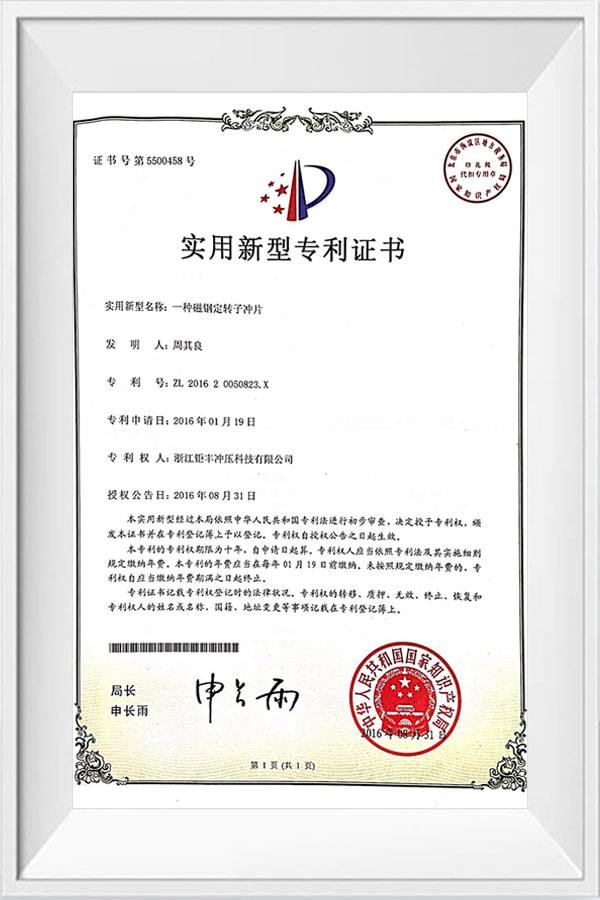
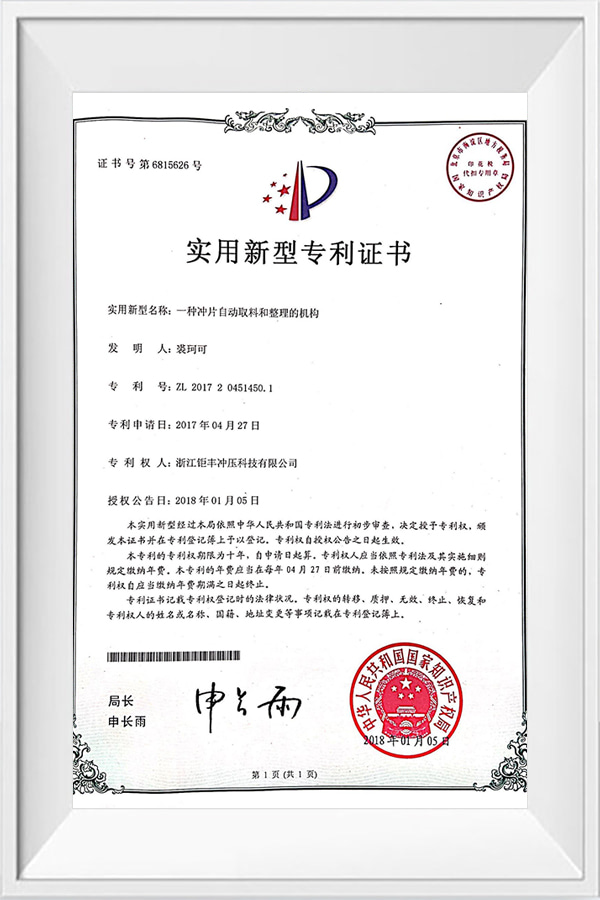
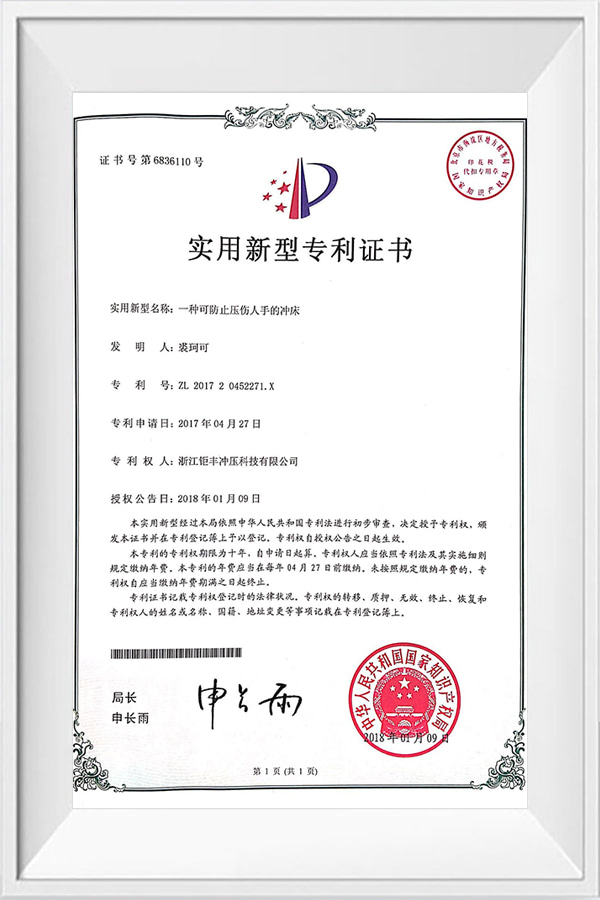
Zhejiang Jufeng Technology Co., Ltd., since 1998, has been dedicated to the R&D and manufacturing of core motor components. As a "National Specialized and Innovative Small Giant Enterprise" and a participant in industry standard-setting, we deeply understand the technical rationale and manufacturing challenges behind different slot designs. With our profound professional experience and over 70 patents, we can provide customers with a variety of customized slot solutions to meet the specific performance requirements of different ESP motors.
Common ESP Motor Stator Slot Types
The slot designs for ESP motor stator cores can be primarily categorized into several common types, each with unique electromagnetic and mechanical characteristics:
- Pear-Shaped Slot
The pear-shaped slot is one of the most traditional ESP motor stator slot types. It is characterized by a narrow slot opening and a wide body, resembling a pear.
Advantages:
Improved Magnetic Path: The narrow opening effectively reduces magnetic saturation and leakage flux, thereby improving the motor's power factor and efficiency.
Ease of Winding: The wide slot body facilitates manual or semi-automatic winding, which is advantageous for small-batch, highly customized motors.
Reduced Harmonics: The design helps to reduce magnetic flux pulsation in the teeth, lowering the motor's harmonic loss and operational noise.
Disadvantages:
Manufacturing Difficulty: The stamping die design is complex, requiring high process precision.
Low Fill Factor: Due to the irregular shape, the winding fill factor is relatively low, which affects the motor's power density.
- Trapezoidal Slot
The trapezoidal slot is a design that balances performance with manufacturability. It has straight sides, and the slot opening can be either open or semi-closed.
Advantages:
Easy to Manufacture: The stamping die design is relatively simple, precision is easy to control, and stamping efficiency is high, making it suitable for mass production.
High Fill Factor: The windings can be arranged more tightly in the slot, improving the fill factor and achieving higher power density in the same volume.
Heat Conduction: The regular geometry facilitates heat transfer between the windings and the core, improving heat dissipation.
Disadvantages:
Increased Leakage Flux: Open slot openings can lead to increased leakage flux, which may affect the motor's power factor.
Harmonics: Harmonic loss and noise may be slightly higher compared to closed slots.
- Semi-Closed Slot
The semi-closed slot features a very small opening but a wide, almost rectangular body. This is an ideal compromise between performance and manufacturing.
Advantages:
Superior Electromagnetic Performance: The minimal slot opening significantly reduces leakage flux and magnetic flux pulsation, effectively lowering harmonic loss and improving motor efficiency.
High Power Density: The regular slot body shape results in a high winding fill factor, contributing to a higher power density.
Low Noise: The optimized magnetic path effectively suppresses electromagnetic noise during motor operation.
Disadvantages:
Winding Difficulty: The narrow slot opening presents a major challenge for the winding process, often requiring specialized winding equipment or techniques.
Heat Dissipation Challenge: The heat transfer path between the windings and the core is restricted, requiring optimized heat dissipation design.
Jufeng's Technical Advantages and Customization Services
With its deep technical expertise in the field of motor stators and rotors, Zhejiang Jufeng Technology Co., Ltd. can provide customized solutions for a variety of slot designs. We are not just manufacturers; we are partners who offer comprehensive solutions to our clients.
High-Precision Die Design and Manufacturing: As a participant in industry standards, we understand the importance of die precision. We can design and manufacture high-precision progressive dies to meet specific client needs, ensuring dimensional consistency and quality for different slot laminations.
Advanced Stamping Production Lines: We operate a 90,000-square-meter production base equipped with advanced stamping machinery. Our annual consumption of 150,000 tons of steel demonstrates our strong capability in mass production.
Application of New Technologies: To address the challenges of winding for semi-closed slots, we actively explore and apply new technologies. Our ongoing development of in-mold and out-of-mold adhesives effectively enhances the overall mechanical strength of the core, providing a more reliable structural foundation for motors with complex slot designs.
Casting and Assembly Capabilities: Our professional team is not only proficient in lamination manufacturing but also possesses core technologies in casting aluminum and copper rotors. This allows us to perfectly match rotors with various stator slot designs to optimize overall motor performance.
Considerations for Slot Selection and Parameter Comparison
Choosing the most suitable ESP motor stator slot type requires a comprehensive evaluation of several key factors:
Motor Performance Requirements: Such as efficiency, power factor, and torque density.
Manufacturing Feasibility: Stamping difficulty, winding difficulty, and production efficiency.
Cost Control: Die cost, production cost.
Application Environment: Specific requirements for heat dissipation and vibration resistance.
|
Slot Type
|
Advantages
|
Disadvantages
|
Typical Application
|
|
Pear-Shaped Slot
|
- Improved flux path
- Low harmonics
- Easy for manual winding
|
- Complex mold design
- Low slot fill factor
|
Small batch, high-performance motors
|
|
Trapezoidal Slot
|
- Easy to manufacture
- High slot fill factor
- Good heat dissipation
|
- Higher leakage flux
- Higher harmonics
|
Mass production, standard efficiency motors
|
|
Semi-Closed Slot
|
- Excellent magnetic performance
- High efficiency
- Low noise
- High power density
|
- Difficult winding process
- Challenging heat dissipation
|
High-efficiency, high-power density motors
|
The Critical Role of Surface Treatment for /product/nonautomotive-motor-stator-and-rotor-core/electric-submersible-pump-motor-stator-and-rotor-core/ESP Motor Stator Cores: A Foundation of Performance and Reliability
In the intricate world of motor manufacturing, the surface treatment of the stator core is a vital step, with a function that extends far beyond simple rust prevention. For Electric Submersible Pump (ESP) motors, the importance of this process is elevated to a strategic level. Because ESP motors must operate for extended periods in extremely harsh deep-well environments, their stator cores must withstand high temperatures and pressures, while also resisting corrosion from fluids. Therefore, the core's surface insulation coating is not merely a means to reduce loss; it is the cornerstone of ensuring the motor’s long-term stable and efficient operation.
Zhejiang Jufeng Technology Co., Ltd., as a leading enterprise in the manufacturing of motor stators and rotors, has pursued excellence in quality and innovation since its establishment in 1998. We know that relying solely on high-quality silicon steel and precise stamping is not enough. We have therefore invested significant R&D resources into the surface treatment of ESP motor stator cores, aiming to provide customers with superior, durable core components through advanced insulation coating technology.
Key Functions of ESP Motor Stator Core Surface Treatment
The surface treatment of an ESP motor stator core primarily involves applying an insulating coating to the surface of its silicon steel laminations. This seemingly simple process plays multiple crucial roles in the motor's performance and reliability:
- Suppressing Eddy Current Loss and Improving Motor Efficiency
A motor core is made of multiple silicon steel laminations stacked together. When the motor operates, the core is subjected to an alternating magnetic field, which induces eddy currents. These currents circulate within the core, generating heat and causing energy loss, known as eddy current loss.
Without an insulating coating, adjacent silicon steel laminations would be in direct contact, forming a conductive path. This would allow eddy currents to flow unimpeded throughout the core, leading to significant energy loss and a sharp increase in core temperature. By uniformly applying a thin yet robust insulating coating to the surface of each lamination, we create a high-resistance insulating layer between the sheets. This forces the eddy currents to be confined within each individual lamination, significantly reducing their path and intensity, and drastically lowering eddy current loss.
As a "National Specialized and Innovative Small Giant Enterprise," Jufeng strictly controls the thickness and uniformity of the insulating coating during the pre-treatment phase before stamping. This ensures each core lamination possesses excellent inter-laminar insulation, guaranteeing the high-efficiency operation of the ESP motor from the very start.
- Resisting High Temperatures and Corrosive Fluids
ESP motors typically operate in environments with temperatures above 150℃, and sometimes even reaching 200℃. Additionally, downhole fluids may contain corrosive gases like hydrogen sulfide and carbon dioxide, as well as acidic substances. The insulation coating on ordinary motor cores can easily age, fail, or peel off in such extreme high-temperature and corrosive environments.
Jufeng uses specialized insulating coatings, such as high-performance inorganic coatings or high-temperature-resistant organic resin coatings, that effectively resist thermal stress and chemical corrosion. These coatings maintain their physical and insulating properties under high temperatures, forming a robust protective barrier that prevents corrosive media from directly contacting the silicon steel. This effectively extends the core's service life and ensures the long-term reliability of the ESP motor in harsh conditions.
- Enhancing Mechanical Strength and Bonding Stability
In addition to traditional insulating coatings, Jufeng continues to invest in R&D for cutting-edge technologies like in-mold and out-of-mold adhesives. These technologies use special adhesives to bond each lamination firmly together, forming a solid, integrated unit.
This bonding method not only provides outstanding inter-laminar insulation but also significantly enhances the core's mechanical strength and vibration resistance. Under the high-speed rotation and constant vibration of a deep-well environment, traditional riveted or welded cores can loosen due to fatigue, leading to performance degradation. In contrast, cores made with bonding technology form a more stable and compact structure, effectively resisting various mechanical stresses and ensuring the motor's reliability and stability throughout its entire lifespan.
Jufeng's Professional Prowess and Quality Assurance
As an industry leader with a 90,000-square-meter production base and an annual steel consumption of 150,000 tons, Jufeng maintains a strict quality control system for the surface treatment of ESP motor stator cores.
Technical Leadership: With over 70 patents in core motor components, we have in-depth research and practical experience in the selection of insulating coating materials, process flows, and subsequent performance testing.
Standard-Setting: As a key participant in the compilation of the China Electrical Equipment Industrial Association’s group standard "Technical Specifications for Motor Lamination and Core," and the sole participant from Zhejiang Province in the national standard (IEC) GB/T 21205-2022, our production and quality management processes strictly adhere to and even exceed the highest industry standards.
Customized Solutions: We understand that different customers have unique performance requirements for their ESP motors. Our technical team can provide customized surface treatment solutions based on the motor's power, operating environment, and specific client needs, ensuring an optimal balance between the core’s insulation and mechanical properties.

 简体中文
简体中文 English
 русский
 Español