Key Features and Benefits of Automotive Small Motor Stator and Rotor Cores
The primary function of
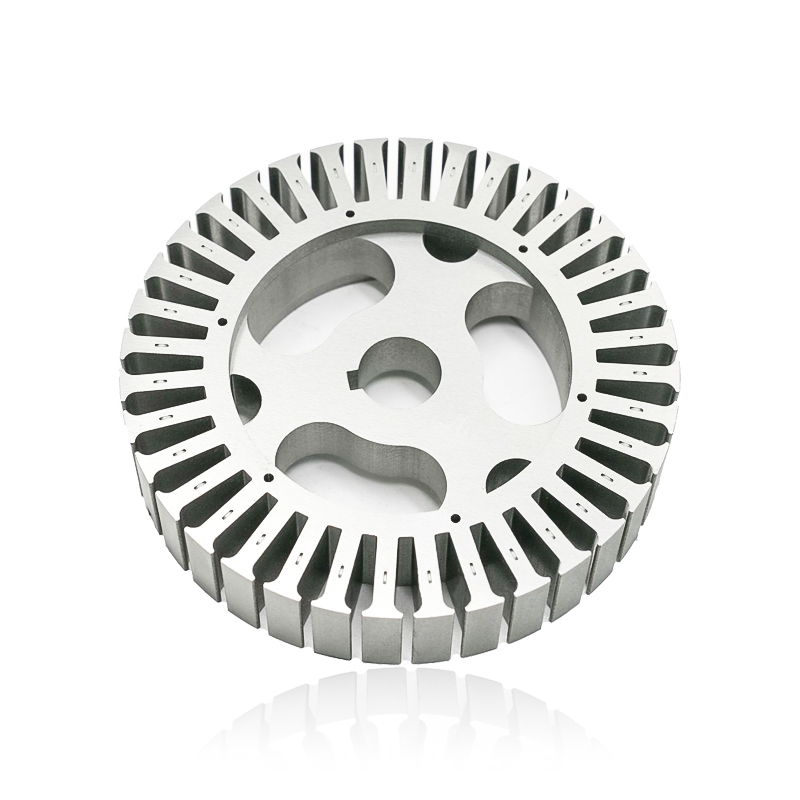
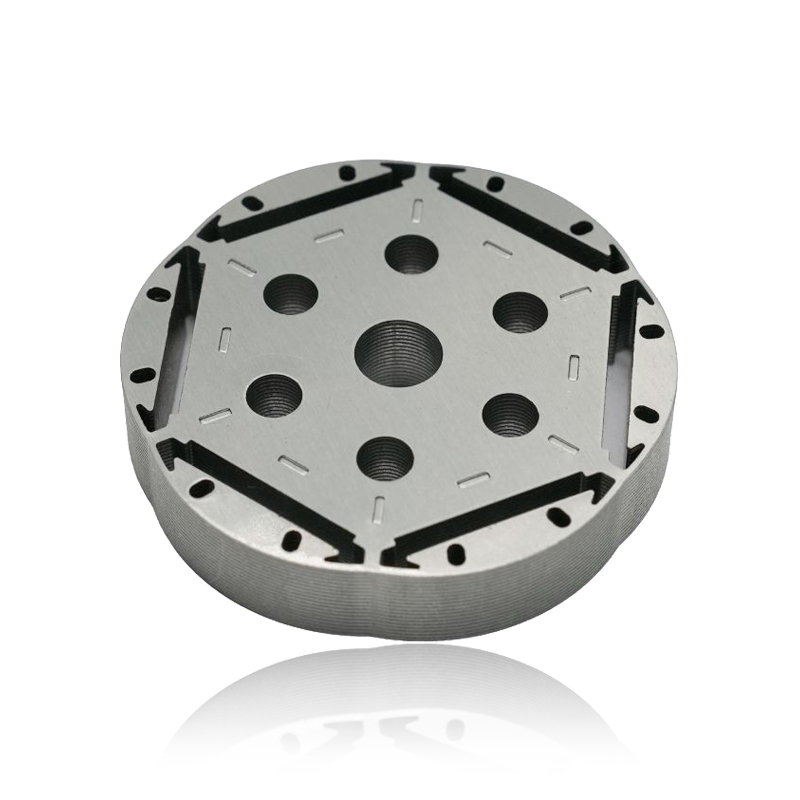
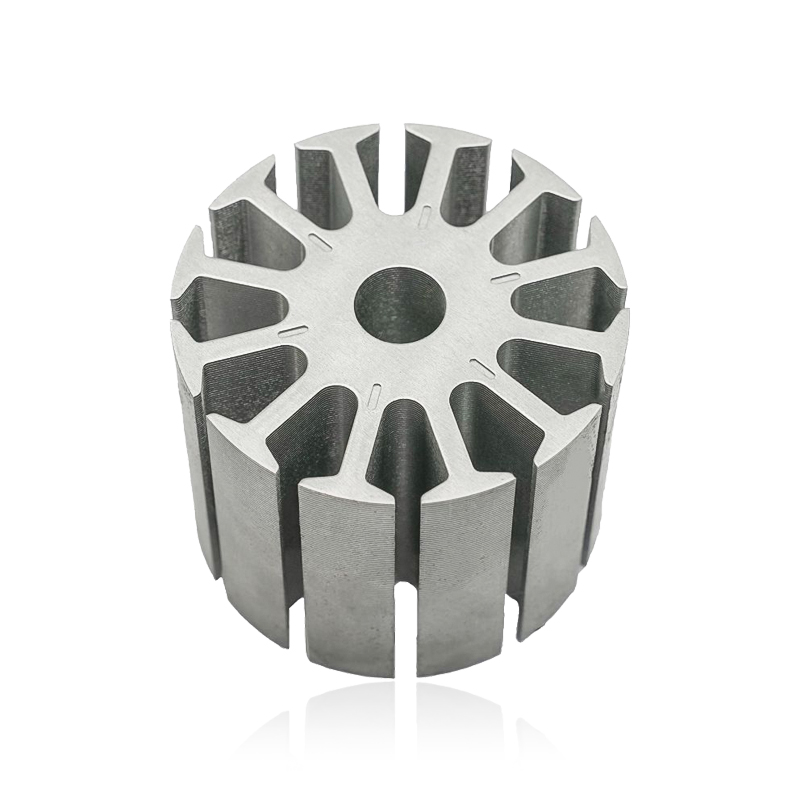
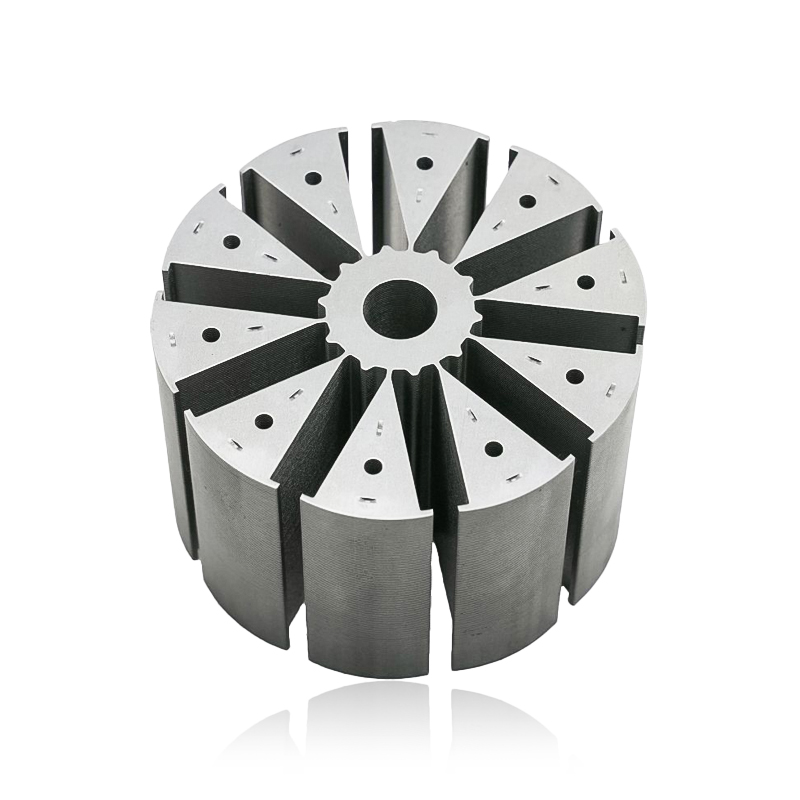
automotive small motor stator and rotor cores is their role in the electromagnetic interaction within the motor. When an electric current passes through the windings in the stator, it generates a magnetic field, which interacts with the rotor, causing it to spin and ultimately drive the motor's mechanical output. The efficiency of this process is crucial, as it determines how much of the electrical energy is effectively converted into mechanical energy. To maximize efficiency, it is essential to minimize electrical losses in the core material, often caused by hysteresis (energy lost as heat due to the switching magnetic field) and eddy currents (induced currents in the metal that oppose the original current). One of the primary ways to reduce these losses is by using high-grade materials, such as silicon steel, which has low hysteresis loss and high permeability, allowing the motor to generate a stronger magnetic field with less energy input. Precision manufacturing techniques, such as advanced lamination and winding processes, also contribute to maximizing the electromagnetic efficiency of the stator and rotor cores. At Zhejiang Jufeng Technology Co., Ltd., we focus on producing stator and rotor cores with minimal losses, employing cutting-edge manufacturing processes and high-quality materials. Our products are rigorously tested to meet the strict performance criteria of the automotive industry. Through ongoing innovation and collaboration with industry leaders, we are committed to providing motor cores that enable electric vehicles to achieve optimal energy efficiency, thereby reducing overall energy consumption and improving driving range.
Thermal management is an integral aspect of motor performance, as excessive heat can impair the efficiency, reliability, and longevity of electric motors. Heat is generated during the operation of the motor due to resistive losses in the windings and iron losses in the stator and rotor cores. If not properly managed, heat accumulation can lead to overheating, which may degrade the insulation of the motor windings and increase the risk of failure. To address this challenge, automotive motor cores are designed with specific thermal properties that facilitate the effective dissipation of heat. Materials with high thermal conductivity, such as specific grades of copper for the windings and aluminum for the rotor, are often chosen. Advanced manufacturing techniques, such as incorporating cooling channels or optimizing the motor housing design for airflow, are employed to ensure that heat can escape the motor efficiently. At Zhejiang Jufeng Technology Co., Ltd., we place significant emphasis on the thermal performance of our stator and rotor cores. We carefully select materials that not only enhance the motor's electromagnetic efficiency but also offer excellent heat dissipation properties. Through innovative cooling designs and the integration of advanced thermal management solutions, we ensure that our cores maintain their high performance even under the demanding conditions of automotive applications. This commitment helps extend the lifespan of the motor and prevents overheating, which is crucial for the long-term reliability of electric vehicles.
Weight is a key factor in the performance of electric vehicles. A lighter vehicle requires less energy to propel, which directly translates into increased driving range and reduced energy consumption. Small motor stator and rotor cores, being integral components of the vehicle’s propulsion system, must be lightweight while still maintaining their strength and performance. The design of automotive small motor cores focuses on optimizing the use of materials and minimizing excess weight without compromising structural integrity. By using advanced manufacturing techniques such as precision stamping and laser cutting, manufacturers can create lighter components that are still strong and capable of handling the mechanical stresses of high-performance automotive motors. The use of lightweight materials such as aluminum in the rotor construction further contributes to reducing the overall weight of the motor. At Zhejiang Jufeng Technology Co., Ltd., we have pioneered the development of lightweight yet durable stator and rotor cores specifically designed for automotive applications. Our products are engineered to help electric vehicle manufacturers reduce the overall weight of their motors without sacrificing performance or reliability. We continuously invest in innovative materials and production techniques to ensure that our motor cores help reduce the vehicle’s weight, thus enhancing overall efficiency and performance.
Durability and reliability are crucial for automotive motor components, as they must withstand demanding conditions, including high temperatures, mechanical stresses, and vibrations. The durability of stator and rotor cores is largely determined by the materials used and the precision of their construction. High-quality electrical steel with excellent fatigue resistance is essential for ensuring that the motor cores can endure the mechanical stresses that occur during vehicle operation, including vibrations from road surfaces and powertrain forces. Reliability is also a key aspect of motor core performance, as a failure in one of the cores can lead to motor malfunction or even complete motor failure, affecting the overall safety and performance of the vehicle. Automotive stator and rotor cores must be designed to maintain their performance over the motor’s operational life, even under extreme conditions. The use of high-strength materials, coupled with advanced quality control systems during the manufacturing process, ensures that these components can withstand harsh environments and deliver consistent performance. At Zhejiang Jufeng Technology Co., Ltd., we specialize in producing stator and rotor cores that are built for durability and long-lasting reliability. Our advanced testing and quality assurance processes ensure that our motor cores meet the rigorous standards of the automotive industry. By using high-quality materials, optimized designs, and precise manufacturing techniques, we are able to deliver motor cores that offer exceptional performance over extended periods, helping to reduce maintenance costs and improve the reliability of electric vehicles.
Reducing noise and vibration is an important consideration in the design of automotive small motors, particularly in electric vehicles, where quiet operation is a key feature. Noise and vibration are often caused by the mechanical resonance of the stator and rotor during operation, which can lead to unwanted sounds and discomfort for the driver and passengers. To address this issue, stator and rotor cores must be designed with special attention to noise and vibration reduction. One of the ways to minimize noise and vibration is by using laminated cores, which reduce the mechanical vibrations associated with the rotational motion of the motor. The lamination process involves stacking thin layers of material, which helps dampen vibrations and minimize acoustic noise. The use of vibration-damping materials and careful optimization of the core’s geometry can further reduce mechanical resonance and enhance the smoothness of motor operation. At Zhejiang Jufeng Technology Co., Ltd., we prioritize the reduction of noise and vibration in our stator and rotor cores. By employing advanced techniques such as high-precision lamination, optimized balancing, and the incorporation of vibration-damping materials, we ensure that our products contribute to quiet, smooth-running motors. Our dedication to noise and vibration reduction not only enhances the comfort of electric vehicle users but also improves the overall quality of the driving experience.
Each electric vehicle model has its own specific requirements for motor performance, and this extends to the design of the stator and rotor cores. Different applications demand varying motor specifications, such as specific torque output, speed, power, and thermal capabilities. As such, the ability to customize stator and rotor cores to meet the precise needs of the motor is essential. Custom motor cores allow manufacturers to tailor their motors to the unique demands of different vehicle models and performance characteristics. Whether it’s a request for higher torque output for an electric SUV or a need for a more compact and lightweight design for an electric sedan, customization options ensure that the motor performs optimally for each vehicle type. The flexibility of core design allows for adjustments to factors such as size, material composition, and even manufacturing processes to achieve the best results. At Zhejiang Jufeng Technology Co., Ltd., we offer a wide range of customizable stator and rotor core options, enabling automotive manufacturers to meet their specific needs. By working closely with our clients, we provide tailored solutions that help optimize the performance and efficiency of electric vehicle motors. Our flexibility in design ensures that our motor cores can be adapted to a wide variety of automotive applications, enhancing our customers' ability to create high-performing vehicles that meet market demands.

 简体中文
简体中文 English
 русский
 Español