
 简体中文
简体中文 English
 русский
 Español
Home / Products / Non-Automotive Motor Stator and Rotor Cores / Electric Tool Motor Stator and Rotor Core
-
-
Electric Tool Motor Stator And Rotor Core
About Us
Zhejiang Jufeng Technology Co., Ltd.
Zhejiang Jufeng Technology Co., Ltd., since its establishment in 1998, has always adhered to the core values of "love, integrity, creation, and win-win", and is unwaveringly committed to the noble mission of "reputable the industry, innovation-driven, employee welfare, and social contribution".
Jufeng, with its profound foundation and relentless innovation in the field of electric motors, has been honored with a series of national and provincial accolades, including "National High-Tech Enterprise," "National Specialized and Innovative Small Giant Enterprise," and "Zhejiang Province Industry Innovation and Excellence Demonstration Unit," becoming a shining pearl in the electric motor industry of Zhejiang Province. As a famous China Electric Tool Motor Stator and Rotor Core Manufacturers and OEM/ODM Electric Tool Motor Stator and Rotor Core Suppliers, the company specializes in the design, manufacturing, sales, and service of core products such as motor stator and rotor lamination, cores, cast aluminum rotors, and cast copper rotors. Its products are widely used in key areas such as electric vehicle drive motors, ultra-high efficiency industrial motors, household appliances, wind power generation, rail transit, robotics, and industrial transmission. The company has established three major series of core production bases for industrial standard motors, high-efficiency motors, and electric vehicle drive motors, with a total area of 90,000 square meters across all production bases. It employs over 500 professional staff, with steel consumes 150,000 tons a year, and boasts advanced R&D testing equipment and production facilities. Jufeng has established cooperation with numerous top-tier domestic and international enterprises, including BYD, Founder Motor, ABB, CRRC Shidai, CRRC Shangchi, Grundfos, Hua Chuan Electric, ZIEHL-ABEGG, GLB Power, and Inovance, thus joining the ranks of professional stator and rotor manufacturing enterprises with core competitiveness in China.
Jufeng, with its profound foundation and relentless innovation in the field of electric motors, has been honored with a series of national and provincial accolades, including "National High-Tech Enterprise," "National Specialized and Innovative Small Giant Enterprise," and "Zhejiang Province Industry Innovation and Excellence Demonstration Unit," becoming a shining pearl in the electric motor industry of Zhejiang Province. As a famous China Electric Tool Motor Stator and Rotor Core Manufacturers and OEM/ODM Electric Tool Motor Stator and Rotor Core Suppliers, the company specializes in the design, manufacturing, sales, and service of core products such as motor stator and rotor lamination, cores, cast aluminum rotors, and cast copper rotors. Its products are widely used in key areas such as electric vehicle drive motors, ultra-high efficiency industrial motors, household appliances, wind power generation, rail transit, robotics, and industrial transmission. The company has established three major series of core production bases for industrial standard motors, high-efficiency motors, and electric vehicle drive motors, with a total area of 90,000 square meters across all production bases. It employs over 500 professional staff, with steel consumes 150,000 tons a year, and boasts advanced R&D testing equipment and production facilities. Jufeng has established cooperation with numerous top-tier domestic and international enterprises, including BYD, Founder Motor, ABB, CRRC Shidai, CRRC Shangchi, Grundfos, Hua Chuan Electric, ZIEHL-ABEGG, GLB Power, and Inovance, thus joining the ranks of professional stator and rotor manufacturing enterprises with core competitiveness in China.
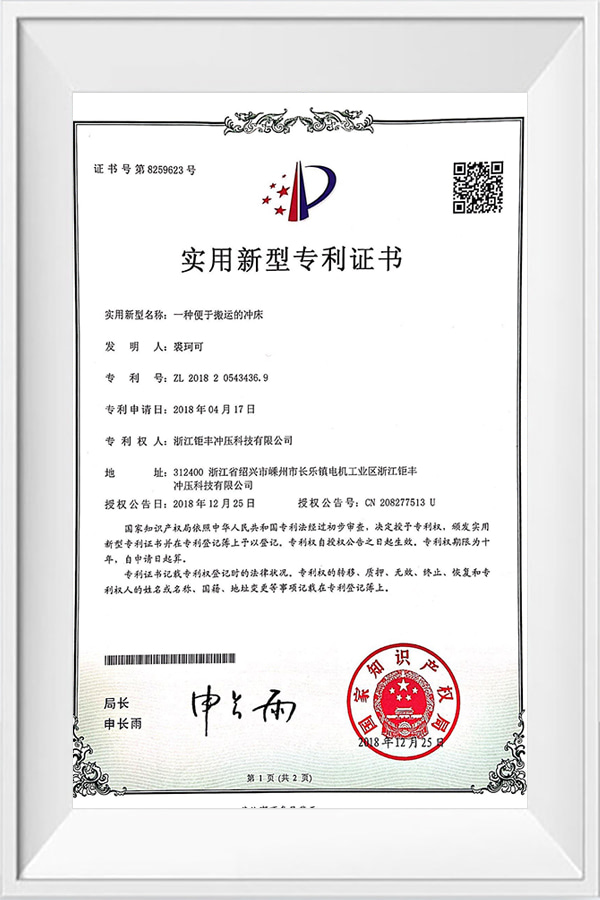
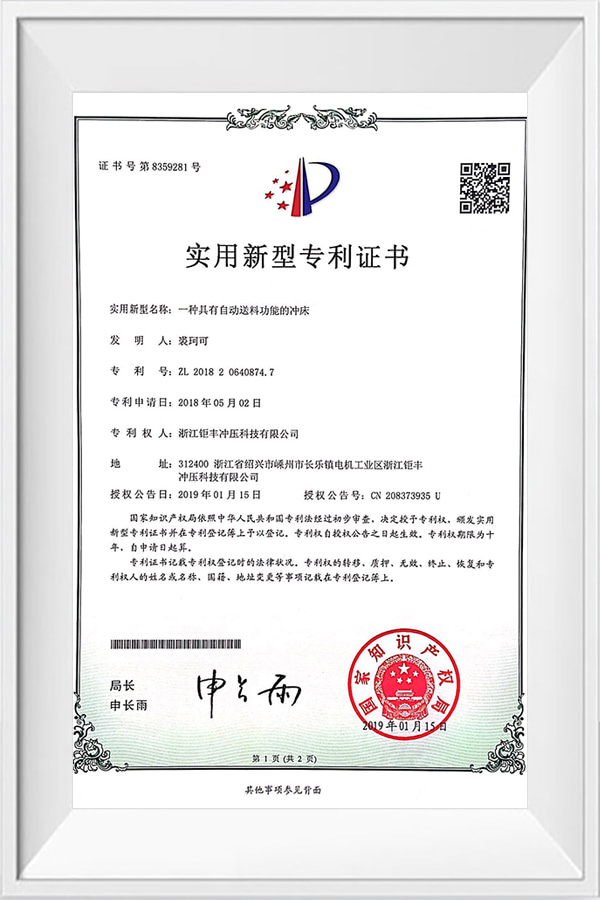
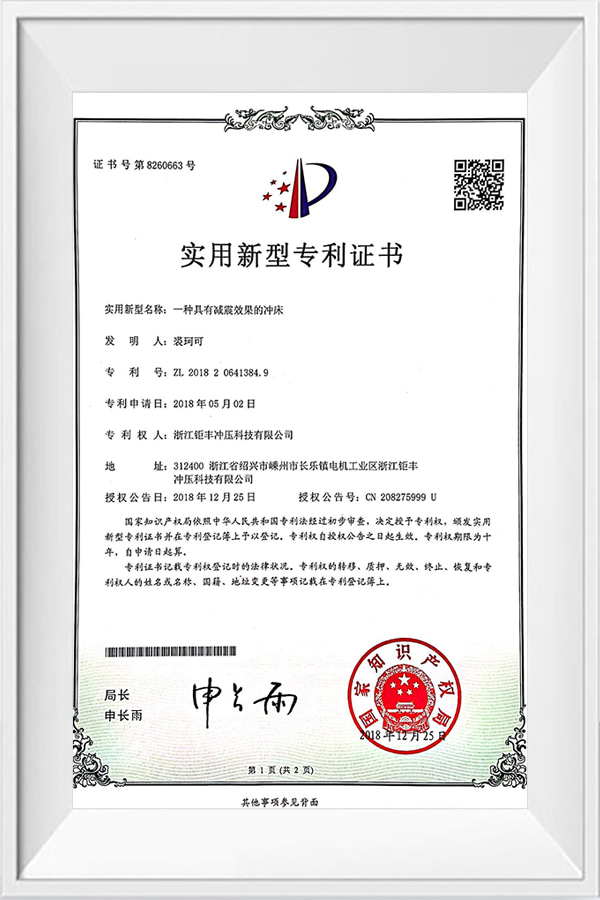
Honor
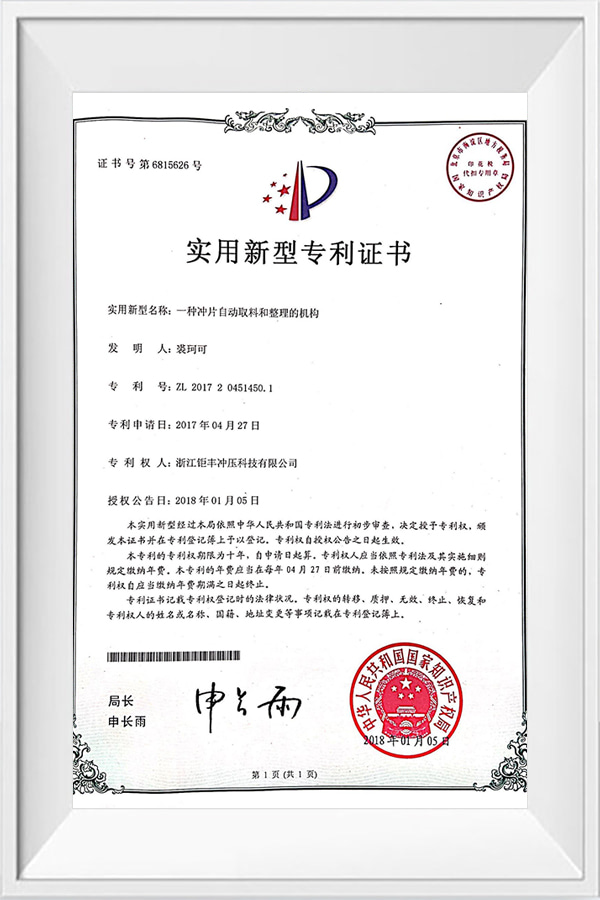
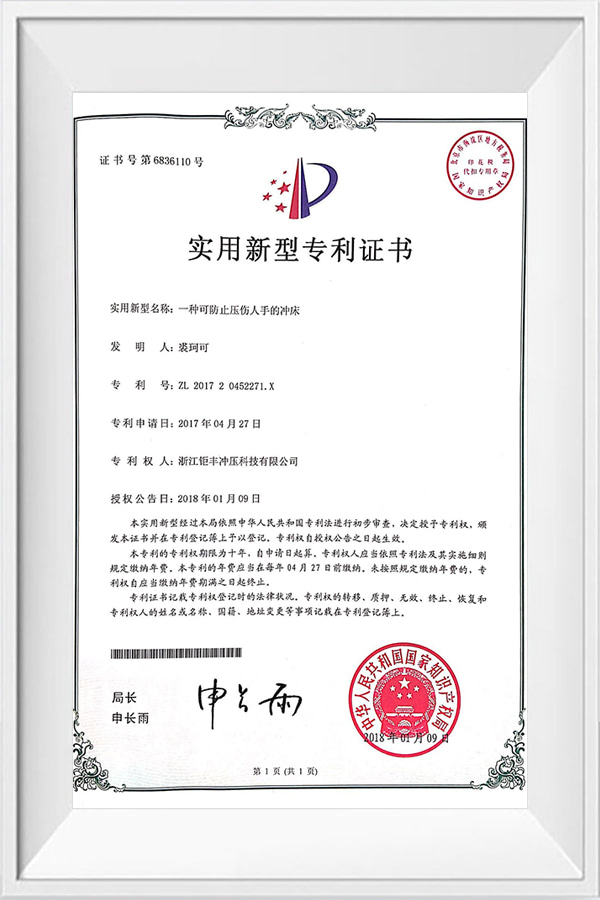
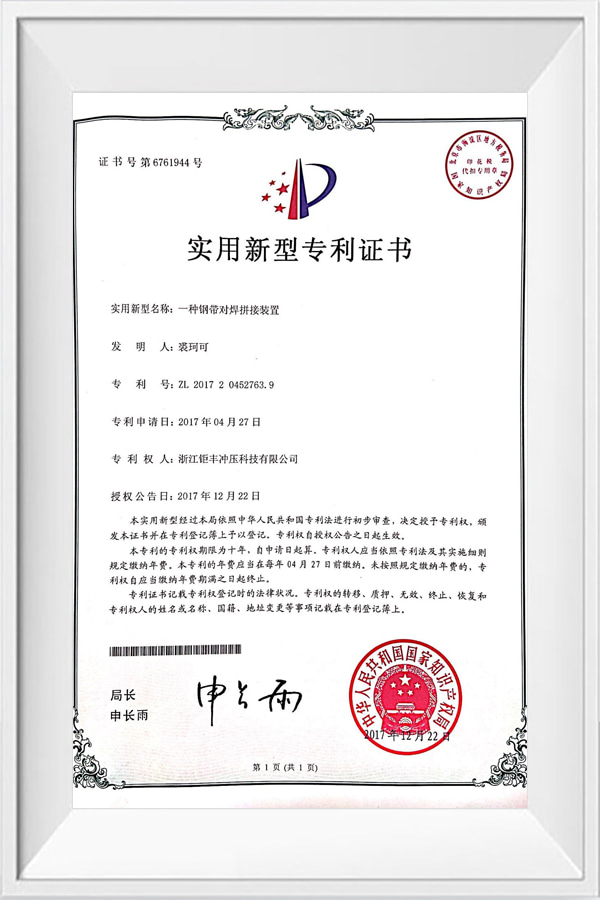
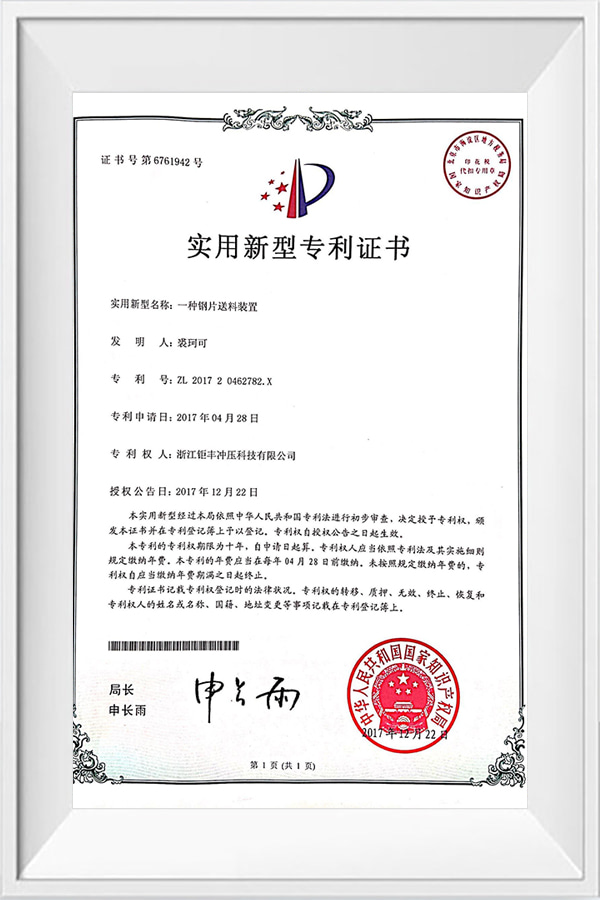
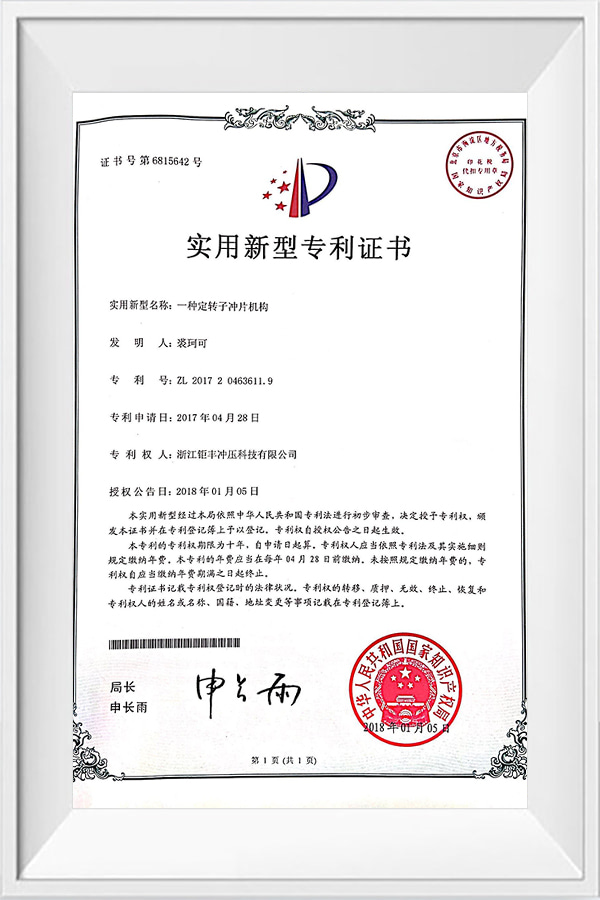
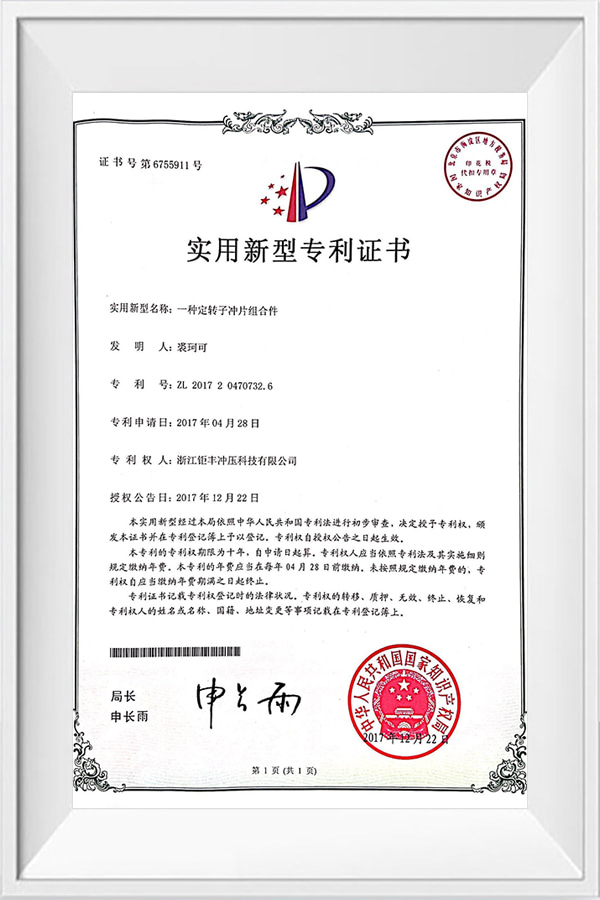
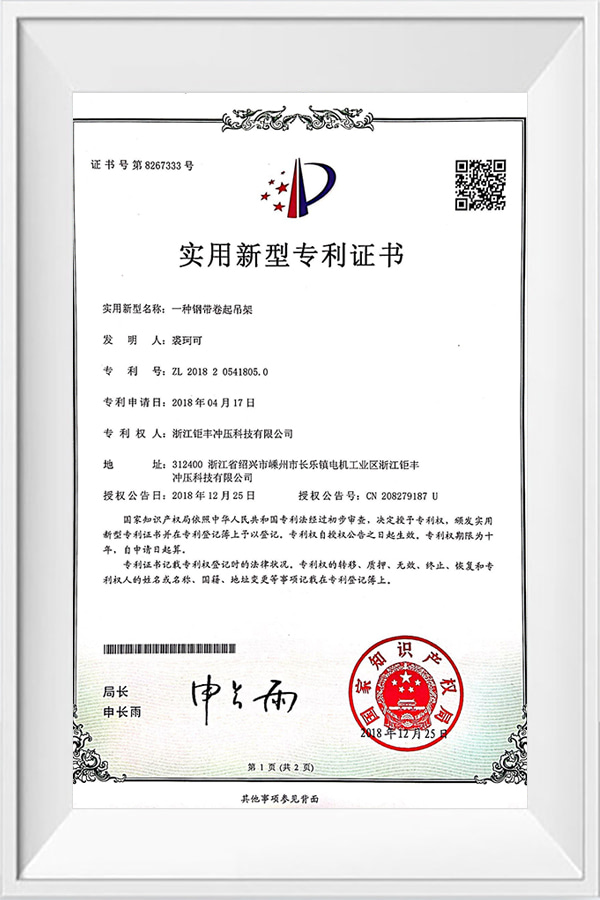
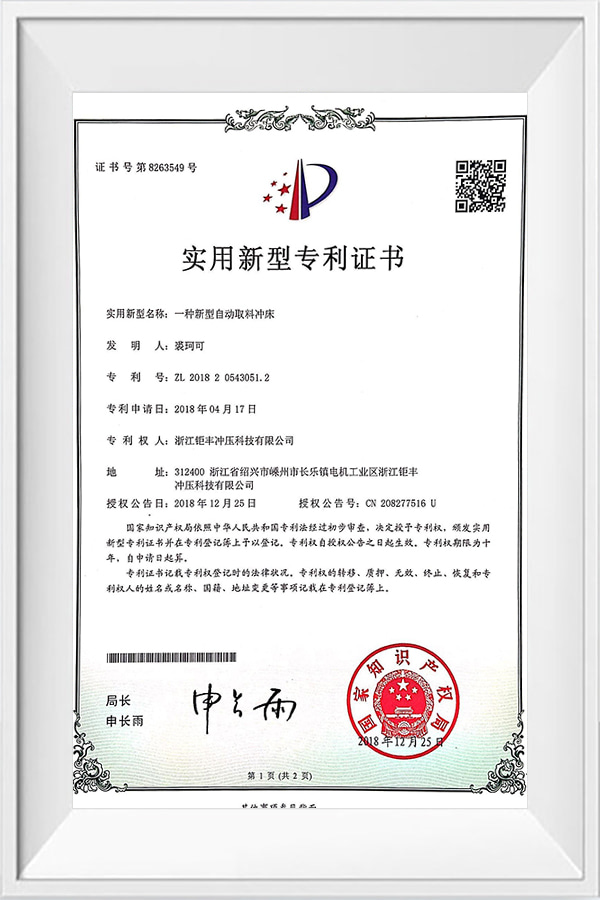
Message Feedback
News
-
The dynamic balancing requirements for a Water Pump Motor Rotor Core differ significantly depending on operating speed. In short: high-speed rotor cores demand much tighter balance tolerances — typically Grade G1.0 or G2.5 per ISO 1940-1 — while low-speed rotor cores generally operate within Grade ...
View More -
When optimizing a Generator Motor Rotor Core for output power density, the choice between increasing stack length and increasing rotor diameter is not simply a matter of adding material — it is a fundamental design decision with distinct electromagnetic, mechanical, and thermal consequences. The di...
View More -
At high frequencies (above 400 Hz), an amorphous alloy Motor Stator Core typically exhibits 60%–80% lower core loss than a silicon steel Motor Stator Core of equivalent size. This dramatic difference stems from the material's near-zero crystalline structure, which drastically reduces both hysteresi...
View More
Electric Tool Motor Stator and Rotor Core Industry knowledge
1. The Functional Roles: Stator as the Static Force, Rotor as the Rotary Responder
The flawless operation of any modern brushless DC (BLDC) motor, which is the standard in high-performance cordless tools, relies entirely on the precise and efficient electromagnetic interaction between the stationary stator and the rotating rotor. This synergy is the cornerstone of motor functionality, and its optimization is a primary focus for leading manufacturers.
The Stator Core: Generating the Commanding Magnetic Field
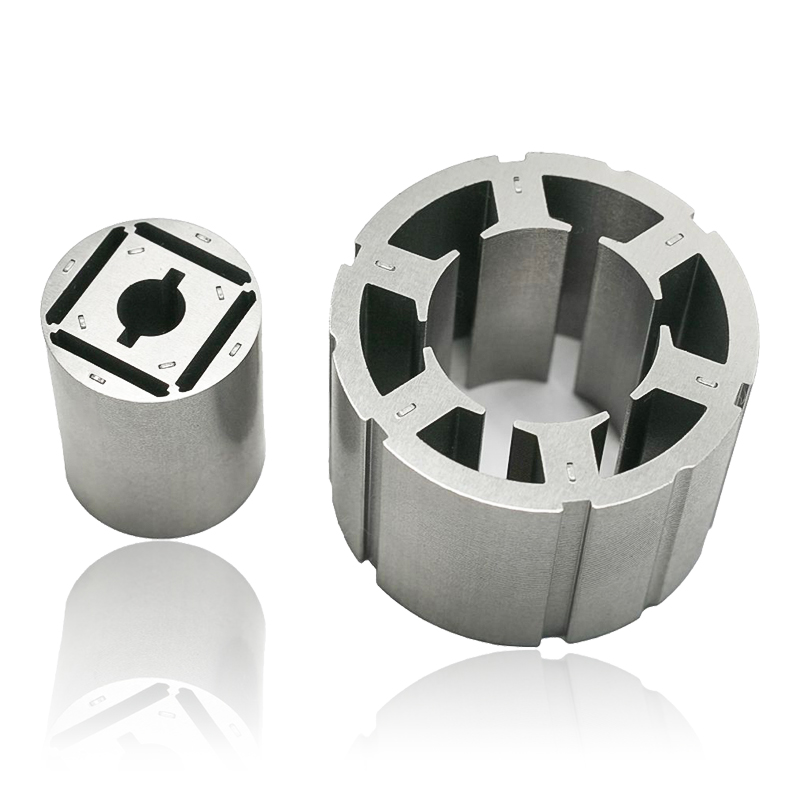
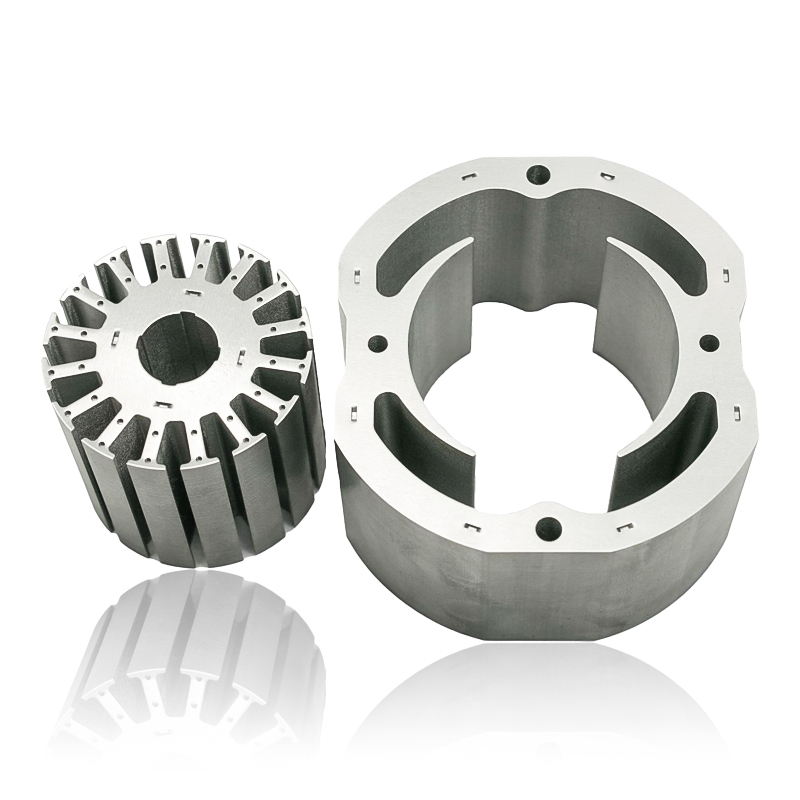
Acting as the stationary outer framework of the motor, the Electric Tool Motor Stator and Rotor Core role is both foundational and active. It is constructed as a cylindrical stack of hundreds of thin, laminated silicon steel sheets. The intricate design of its inner circumference, featuring precisely machined slots or teeth, is a critical engineering exercise. These slots house the meticulously wound copper coils that form the motor's windings. When controlled current from the tool's electronic speed control (ESC) is delivered to these windings, a powerful and controlled rotating magnetic field is generated. The stator core's primary function extends beyond merely holding the windings; it must provide an extremely efficient, high-permeability path for this magnetic flux. This concentrates and guides the electromagnetic force with minimal loss, ensuring maximum interaction with the rotor. The specific design of the stator—such as the choice between distributed windings for smooth torque or concentrated windings for high power density and simpler assembly—directly dictates the motor's performance characteristics, including torque ripple, acoustic noise levels, peak power output, and overall operational smoothness.
The Rotor Core: The Dynamic Center of Action
Situated concentrically within the stator with a minimal air gap, the rotor is the component that translates magnetic force into physical motion. In the brushless motors that power modern tools, the rotor typically takes the form of a permanent magnet assembly. The rotor core itself, also a laminated structure, serves as the robust mechanical backbone onto which high-strength permanent magnets (most commonly Neodymium Iron Boron, or NdFeB) are securely mounted or embedded. The rotating magnetic field generated by the stator exerts continuous attractive and repulsive forces on these rotor magnets. This interaction is what creates the torque that causes the rotor to spin, thereby turning the motor shaft and ultimately driving the tool's transmission system. The rotor core’s critical duties include providing a structurally sound platform to hold these magnets against immense centrifugal forces, ensuring dynamic balance for vibration-free operation at high speeds (often exceeding 20,000 RPM), and completing the magnetic circuit efficiently to maximize the conversion of electrical energy into rotational force. This precise dance between the stator's command and the rotor's response is what companies like Zhejiang Jufeng Technology Co., Ltd. have mastered since 1998. Their deep understanding of this electromagnetic partnership, guided by a core value of "creation," enables them to produce cores that form the heart of some of the world's most reliable and powerful tools.
2. Material Science: The Shift to Advanced Steel Laminations
The selection of core material is a fundamental engineering decision that directly impacts motor efficiency, thermal performance, size, and cost. The evolution of power tools towards cordless, high-power applications has necessitated a parallel evolution in core materials, moving from standard steels to advanced, low-loss laminations.
Combating Energy Loss: The Why Behind Laminations
The primary reason for constructing cores from stacked laminations, rather than a single solid piece of metal, is to combat two significant types of energy loss: Eddy Current loss and Hysteresis loss. Eddy currents are circular electrical currents induced within the core material by the alternating magnetic field. These currents generate heat (I²R losses), wasting valuable battery energy and causing the motor to run hotter. By using thin, insulated laminations, the path for these eddy currents is broken up, dramatically reducing their magnitude. Hysteresis loss, on the other hand, is the energy lost as heat due to the internal friction of magnetic domains within the steel constantly realigning themselves with the alternating magnetic field. The properties of the steel itself primarily influence this.
The Expertise in Electrical Steel Selection
This is where the choice of material becomes paramount. Standard cold-rolled steel is insufficient for high-performance applications. Instead, specialized Electrical Steel (also known as silicon steel) is used. The addition of silicon alloying elements increases the steel's electrical resistivity, which directly reduces eddy current losses. The processing of the steel aims to achieve a fine-grained structure with low coercivity, which minimizes hysteresis losses. For the most demanding applications in professional-grade tools, high-grade Non-Grain Oriented (NGO) electrical steels are essential. These advanced materials offer superior magnetic permeability, meaning they can concentrate a stronger magnetic flux with less energy input. This leads to a higher efficiency motor, which directly translates to longer battery life and less heat generation, allowing engineers to push more power through a smaller motor assembly. Zhejiang Jufeng Technology Co., Ltd. leverages its extensive experience to navigate this complex material landscape. By selecting the optimal grade of electrical steel for each application—balancing performance with cost—they help their clients achieve the "innovation-driven" goals that are critical for staying competitive. Their commitment to "integrity" is reflected in their honest material sourcing and transparent specifications, ensuring customers get the performance they pay for.
3. Precision Manufacturing: Stamping, Stacking, and Assembly
The theoretical performance promised by an optimal design and high-quality materials can only be realized through impeccable manufacturing execution. The processes of stamping, stacking, and bonding are where precision engineering meets mass production, and tolerances are measured in microns.
The Art and Science of Progressive Die Stamping
The journey of a core begins with the precision stamping of individual laminations. This is typically done using a high-speed progressive die system in a powerful stamping press. In a single, continuous operation, a coil of electrical steel is fed through the die, which performs a series of operations—piercing, blanking, notching—at different stations to progressively form the complex geometry of the lamination. The design and maintenance of these dies are critical; any wear or imperfection will be transferred to every subsequent lamination, leading to issues in stacking and winding. The burr height must be meticulously controlled, as excessive burr can create short-circuit points between layers, increasing eddy current losses and compromising the insulation between laminations. The dimensional consistency of the slots is also vital for the subsequent automated winding process, where copper wire is fed at high speeds; any variation can lead to winding failures or insulation damage.
Advanced Stacking and Bonding Techniques
Once stamped, the thousands of identical laminations must be stacked to a precise height to form the complete core. This stack cannot be loose; it must be a solid, unified component to prevent vibration and acoustic noise ("hum") during operation. The method of bonding is a key differentiator in manufacturing quality. Interlocking involves mechanically deforming small tabs on each lamination to lock them together—a cost-effective method but potentially less robust at very high speeds. Laser welding creates deep, consistent bonds at several points around the stack, offering exceptional mechanical integrity but requiring careful control of heat input to avoid creating localized magnetic defects. Structural adhesives applied between layers offer a clean, non-mechanical bond that doesn't compromise the electrical insulation between laminations. The choice depends on the motor's performance requirements and cost targets.
A Commitment to Integrated Excellence
The finished cores move to assembly. The Electric Tool Motor Stator and Rotor Core is wound with copper wire using sophisticated computer-controlled winding machines. The rotor core is magnetized, balanced, and pressed onto the motor shaft with a precise interference fit to handle extreme torque without slipping. The ultimate measure of manufacturing quality is the consistency of the minimal air gap between the finished rotor and stator assemblies. Zhejiang Jufeng Technology Co., Ltd.'s unwavering commitment since its establishment in 1998 to its values of "love and integrity" is reflected in its manufacturing ethos. This means a loving attention to detail in every process and integrity in maintaining the highest quality standards. This dedication ensures that every core that leaves their facility not only meets precise specifications but also contributes to the "employee welfare" by building a reputation for excellence and to "social contribution" by enabling the creation of more efficient and reliable tools for the global market. Their "win-win" philosophy is realized by providing clients with superior components that give them a competitive edge, solidifying partnerships built on quality and trust.


Zhejiang Jufeng Technology Co., Ltd. © All rights reserved
