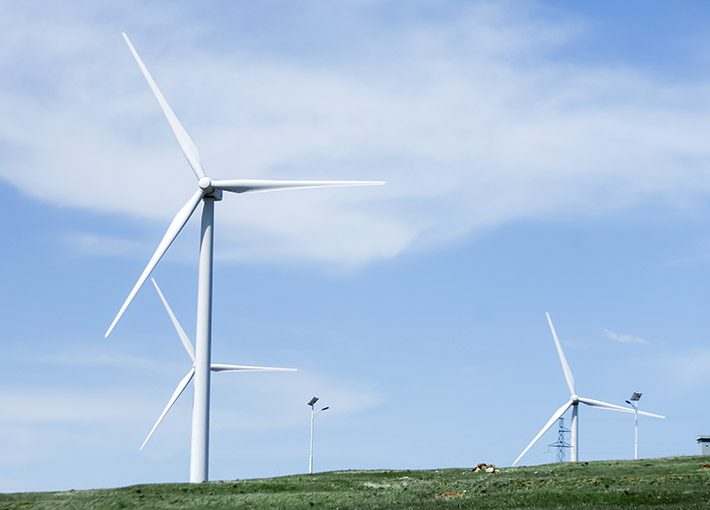
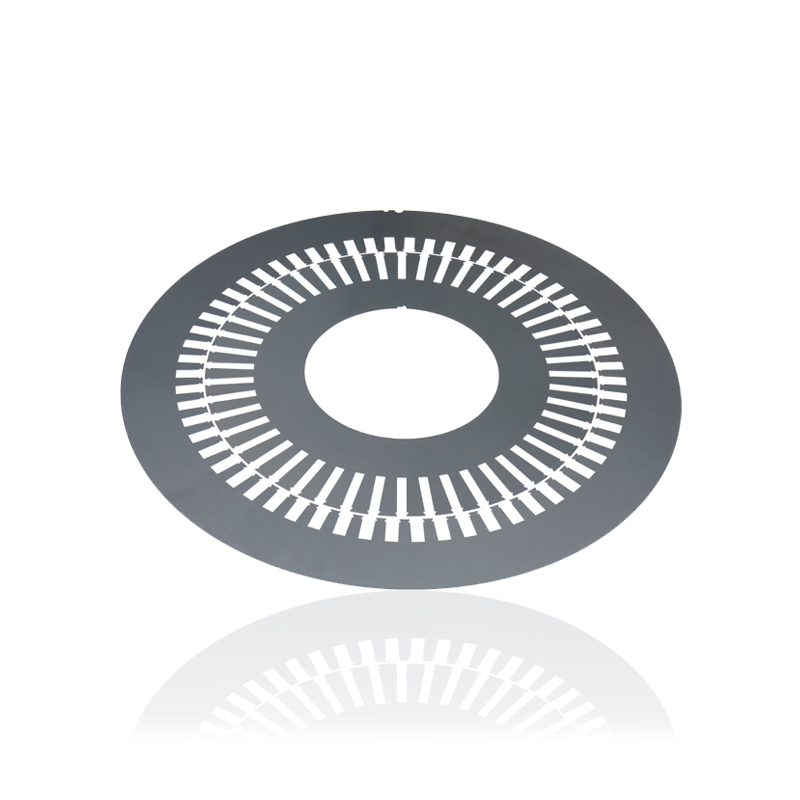
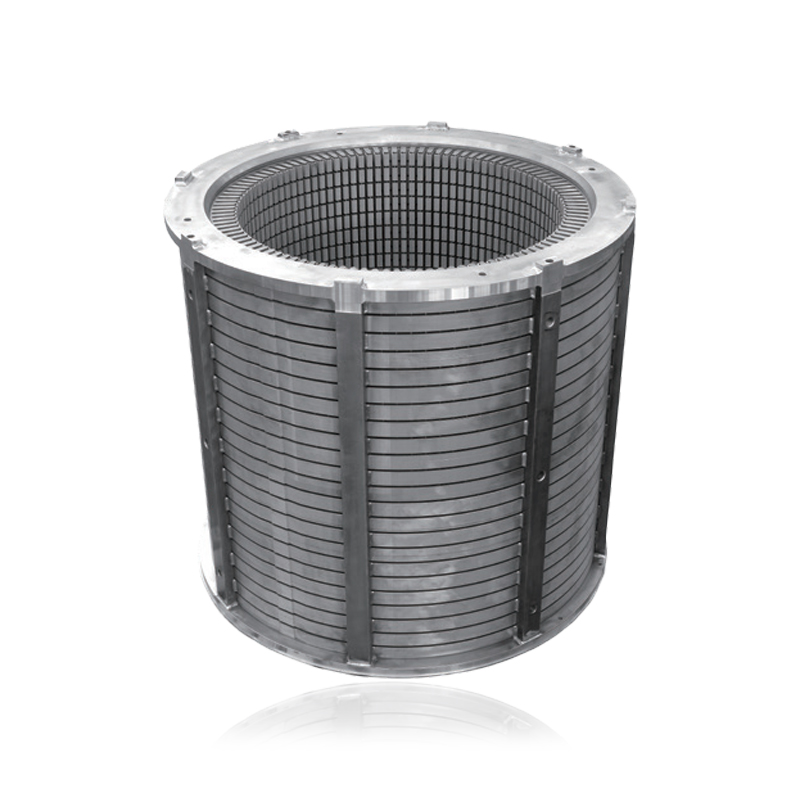
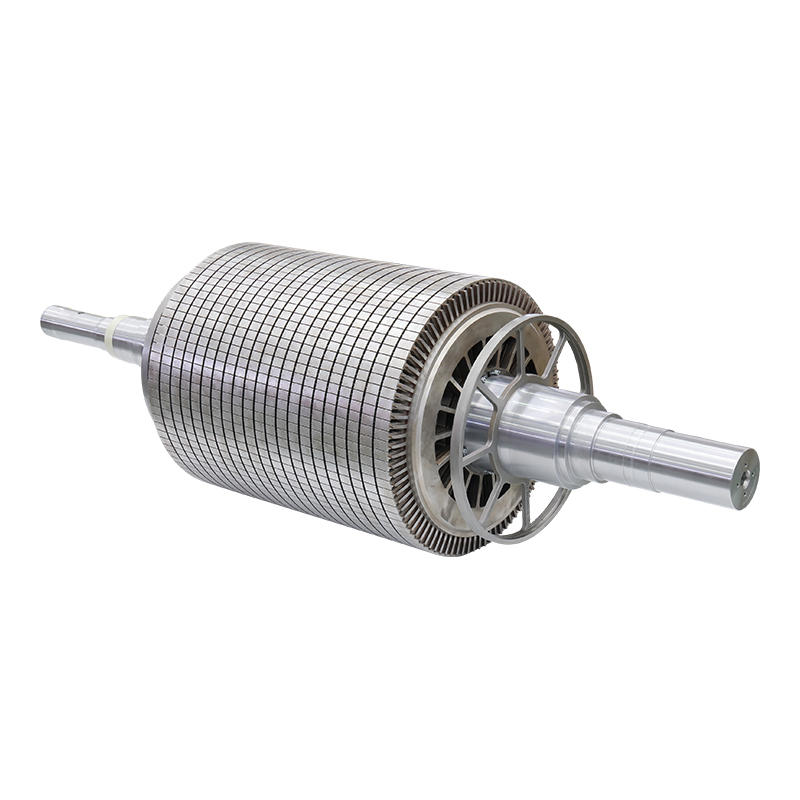
Wind turbines operate by converting the kinetic energy from the wind into electrical energy. This process occurs through the interaction between the rotor and stator components of the motor. The rotor spins due to the force of the wind, while the stator generates a stationary magnetic field that interacts with the rotor to produce electricity. The quality and design of the motor stator and rotor cores directly affect the efficiency of this energy conversion process. The stator and rotor cores are fundamental to the generation of electrical energy because they house the essential electromagnetic properties that facilitate the induction of current. The stator’s role is to produce a stable magnetic field, while the rotor’s job is to move within that field to generate electricity. The more efficiently these components can interact, the greater the overall efficiency of the wind turbine. The proper manufacturing and assembly of these components directly impact how much kinetic energy from the wind can be transformed into usable electricity. Zhejiang Jufeng Technology Co., Ltd. has been at the forefront of developing highly efficient stator and rotor cores designed to maximize energy conversion. The company's experience in producing these cores ensures that wind power generators equipped with Jufeng components operate at peak efficiency. Our attention to the fine details in design, material selection, and manufacturing processes guarantees that every motor stator and rotor core meets the necessary standards for optimal performance, thereby directly contributing to the overall efficiency of wind turbines.
The materials used in manufacturing motor stator and rotor cores play a crucial role in maximizing the efficiency of energy conversion in wind turbines. The materials must be able to handle high magnetic fields without incurring significant losses due to electrical resistance. High-quality electrical steel with low core loss is essential to reduce the energy that is lost as heat. This energy loss typically comes from two main sources: eddy currents and hysteresis losses. The core material must also be highly conductive to allow the rotor’s motion to induce electricity efficiently. It must have the mechanical properties to withstand the operational stresses in wind turbines, which are exposed to extreme weather conditions and high mechanical loads. The composition and quality of the material directly determine the efficiency of the electromagnetic induction process, and therefore the overall performance of the wind generator. In addition to selecting high-quality materials, the thickness of the laminations within the motor cores plays a pivotal role in efficiency. Thin laminations reduce the distance that eddy currents can travel, which in turn minimizes the loss of energy due to these currents. The more precisely these laminations are manufactured, the less energy will be lost. Zhejiang Jufeng Technology Co., Ltd. is known for using the highest grade materials for manufacturing motor cores. Our commitment to research and development allows us to optimize material properties and manufacturing processes, ensuring that every stator and rotor core is designed for maximum energy efficiency.
Eddy current losses are one of the primary sources of inefficiency in motor cores, particularly in wind power generators. These losses occur when a changing magnetic field induces circulating currents within the conductive material of the core. The induced eddy currents create heat and waste energy, thus reducing the overall efficiency of the wind turbine. To minimize these losses, it is essential to manufacture the motor cores with precise lamination designs. Lamination involves cutting the core material into thin sheets that are then stacked together to form the core. By using thin laminations, the path for eddy currents is reduced, limiting the flow of these damaging currents and, consequently, reducing energy loss. The edges of each lamination must be coated or insulated to prevent short-circuiting between layers, which can also contribute to further energy loss. Precision manufacturing is paramount in ensuring that these laminations are uniform in thickness and free from defects. The use of cutting-edge techniques such as laser cutting, automated stamping, and high-precision assembly equipment ensures that the laminations are manufactured with tight tolerances. Zhejiang Jufeng Technology Co., Ltd. applies these advanced techniques to produce stator and rotor cores that minimize eddy current losses. Through our investment in high-tech equipment and precision processes, we ensure that our cores meet the rigorous demands of the wind power industry, helping to improve turbine efficiency by significantly reducing energy losses.
The efficiency of wind power generators depends heavily on how the magnetic field is distributed within the stator and rotor cores. A well-distributed magnetic field ensures that the rotor can rotate smoothly and efficiently within the stator, which is essential for generating electricity. An uneven magnetic field distribution can lead to poor power output, reduced energy efficiency, and increased mechanical wear and tear. To achieve optimal magnetic field distribution, the design of the stator and rotor cores must take into account factors such as the number of pole pairs, the geometry of the core, and the precise arrangement of the windings. The winding arrangement on the stator must be designed so that it maximizes the magnetic flux density within the core, ensuring efficient interaction with the rotor. The material used in the cores must be capable of sustaining a high magnetic flux without saturating, as saturation reduces the efficiency of the electromagnetic induction process. Zhejiang Jufeng Technology Co., Ltd. leverages its deep expertise in electromagnetic field design to optimize the performance of the motor cores. Our motor cores are designed to create a uniform magnetic field that enhances energy conversion efficiency. By applying advanced computational modeling and simulation techniques, Jufeng is able to fine-tune the magnetic field distribution for optimal performance in wind turbines. This level of design precision enables our products to contribute to a significant increase in the operational efficiency of wind power generators.
Wind turbines, particularly those used in large-scale applications, generate a significant amount of heat during operation. The motor cores, which are the heart of the generator, can become very hot due to the electrical and magnetic forces involved in energy conversion. If not adequately cooled, the temperature of the cores can rise to a level that increases electrical resistance, reduces efficiency, and accelerates wear and tear. To mitigate this issue, a well-designed cooling system is necessary to maintain the temperature of the motor cores within acceptable limits. This cooling system typically involves the circulation of air or liquid through the motor housing to dissipate the heat generated by the stator and rotor cores. The effectiveness of the cooling system is influenced by factors such as the design of the motor housing, the efficiency of the heat transfer system, and the materials used to construct the motor cores. Zhejiang Jufeng Technology Co., Ltd. understands the importance of temperature control in maximizing the efficiency of wind power generators. Our motor cores are designed with built-in cooling systems that ensure optimal temperature regulation during operation. By utilizing high-performance materials and precise engineering techniques, Jufeng’s motor cores maintain their efficiency even under high operational loads, contributing to the overall reliability and energy output of wind turbines.
The alignment of the stator and rotor cores plays a critical role in the efficiency of a wind power generator. Misalignment between the two cores can lead to increased friction, which results in energy losses and reduced operational efficiency. Proper alignment ensures that the magnetic field produced by the stator interacts optimally with the rotor, minimizing losses and maximizing energy conversion. In wind power generation, even slight misalignments can cause significant efficiency losses over time. These losses may seem small at first but can compound over the operational life of the turbine, leading to reduced energy output and higher maintenance costs. Therefore, ensuring that the stator and rotor cores are perfectly aligned is crucial to the long-term efficiency of the system. Zhejiang Jufeng Technology Co., Ltd. applies the highest standards of precision engineering to ensure the perfect alignment of the stator and rotor cores. This meticulous attention to detail ensures that our motor cores contribute to the maximum operational efficiency of wind turbines, helping to minimize energy losses and increase the system's overall productivity.

 简体中文
简体中文 English
 русский
 Español