1. Design and Manufacturing: Precision Lamination for Peak Performance
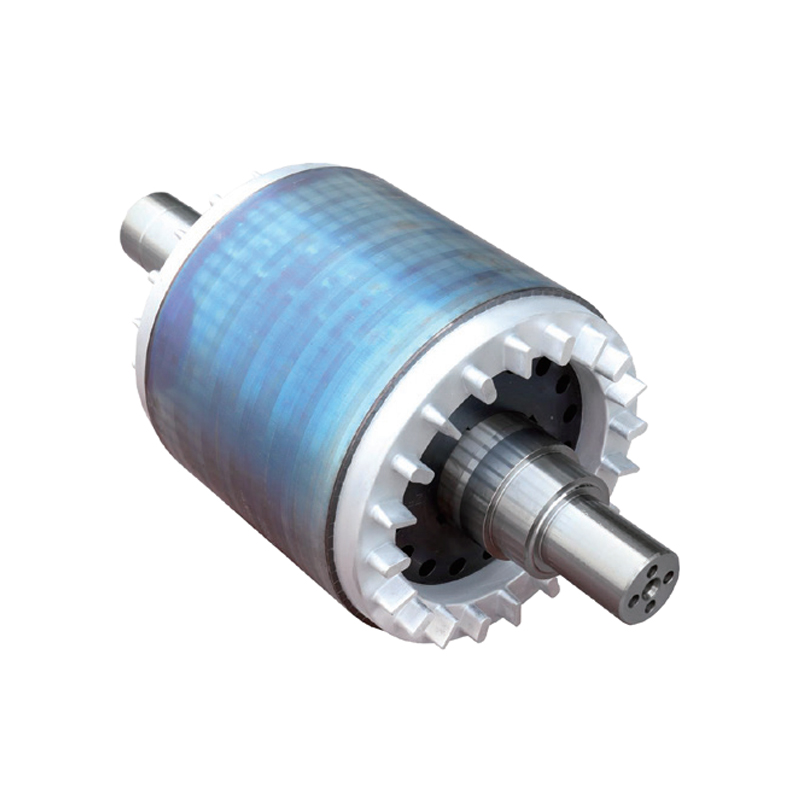
The design and manufacturing process of Rail Transit Motor Stator And Rotor Core is a sophisticated discipline that balances material science, precision engineering, and electromagnetic theory. It begins with the selection of the raw material, where high-grade, non-oriented silicon steel is the standard. The addition of silicon is crucial as it increases the electrical resistivity of the steel, thereby reducing eddy current losses, and enhances magnetic permeability for stronger magnetic flux. For advanced applications, such as high-speed rail transit motors where efficiency and weight are paramount, the industry is exploring the use of even more advanced materials like amorphous metal alloys, which offer superior magnetic properties and reduced core losses.
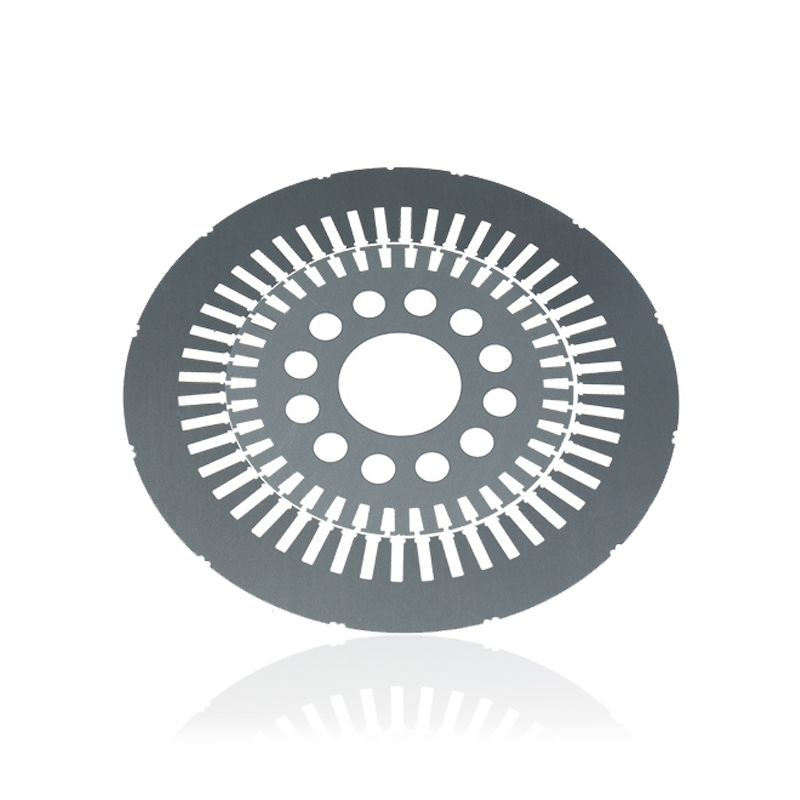
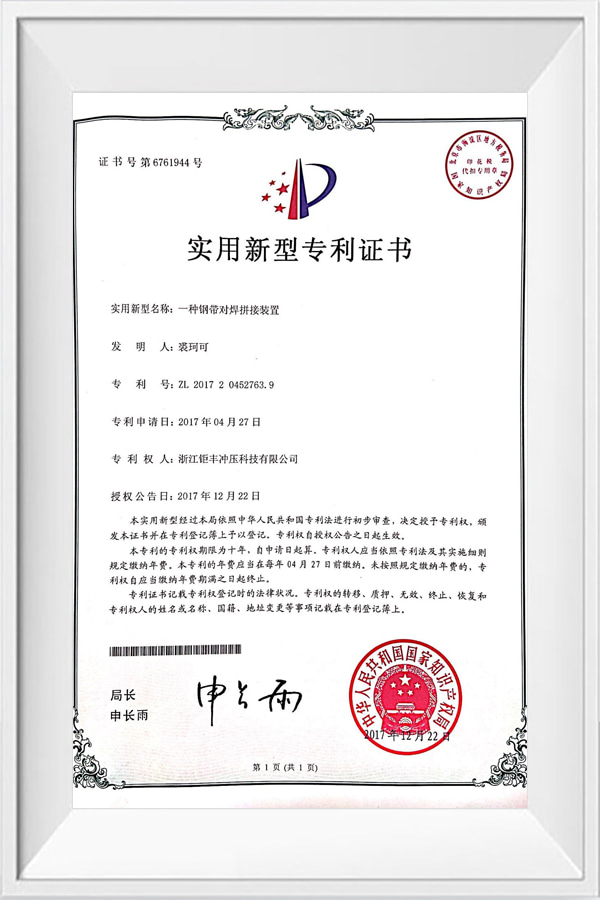
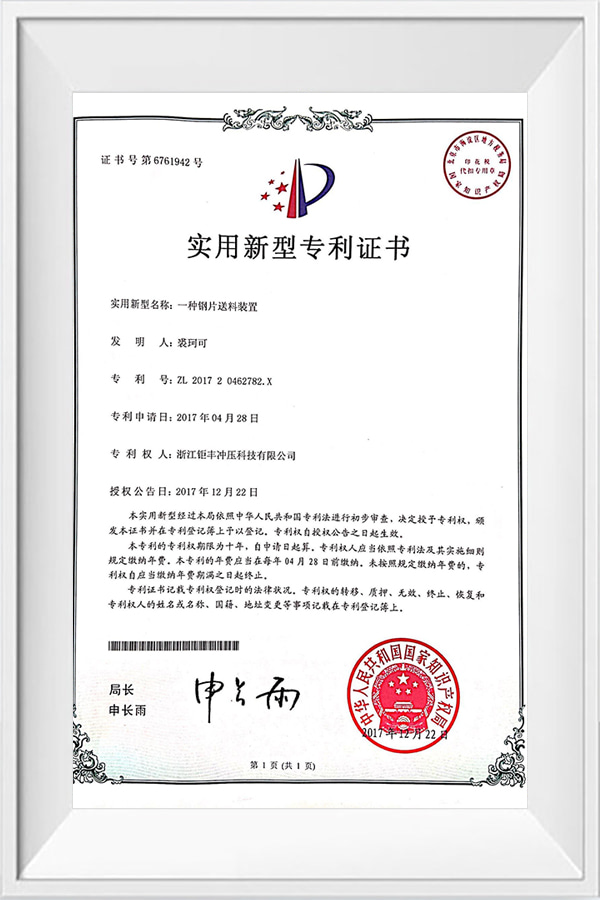
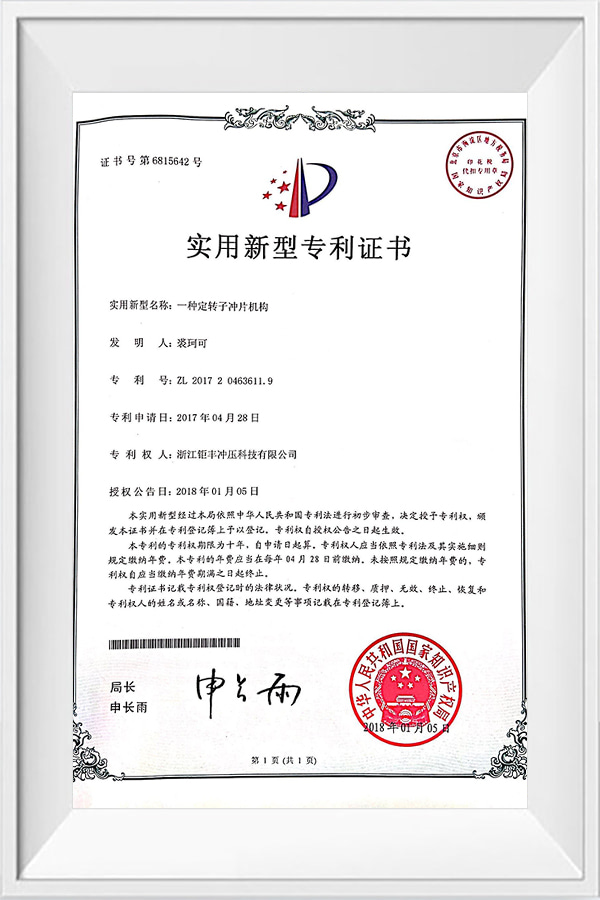
The manufacturing journey at a dedicated producer like Zhejiang Jufeng Technology Co., Ltd. involves a series of highly controlled steps. The process starts with high-precision progressive die stamping, where massive tonnage presses stamp out the intricate lamination profiles. Each lamination must be stamped with absolute precision to ensure the geometry of the slots and teeth that will house the windings is flawless. Any deviation can lead to electromagnetic imbalance, increased noise, and reduced efficiency. Following stamping, each lamination is treated with a specialized insulating coating to prevent the flow of eddy currents between layers.
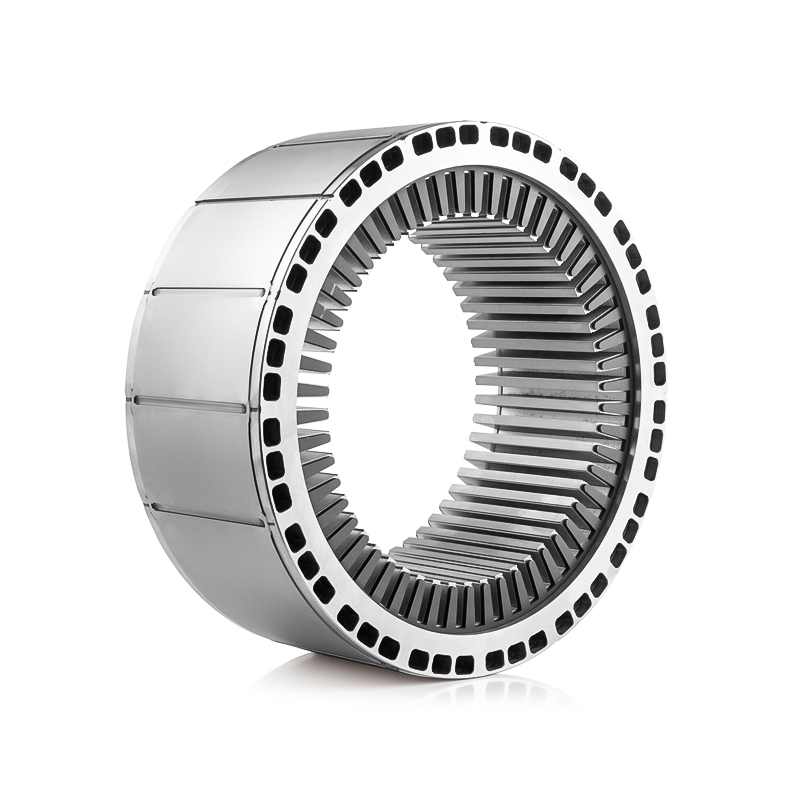
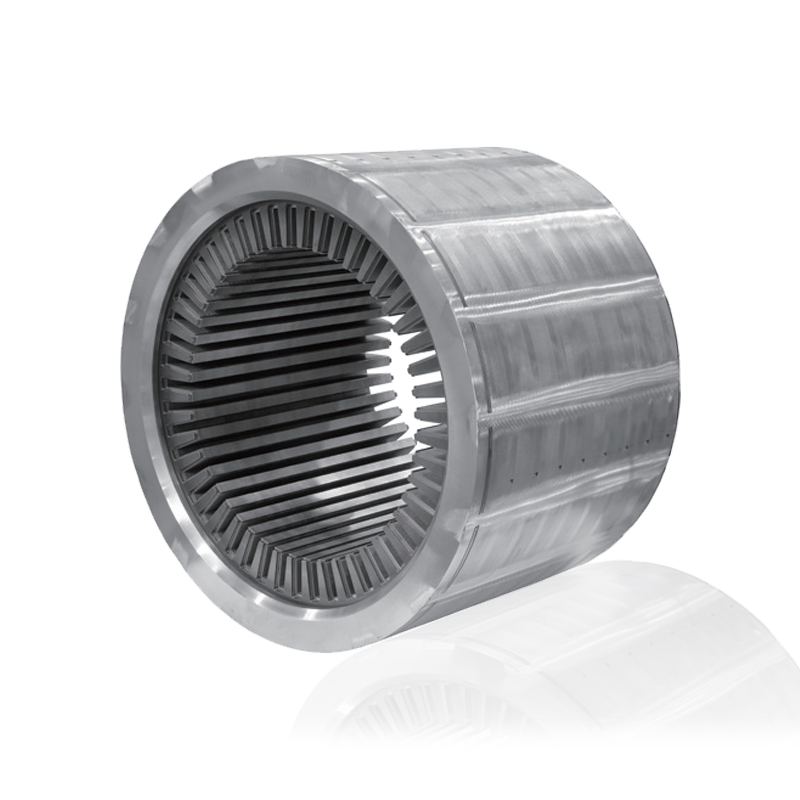
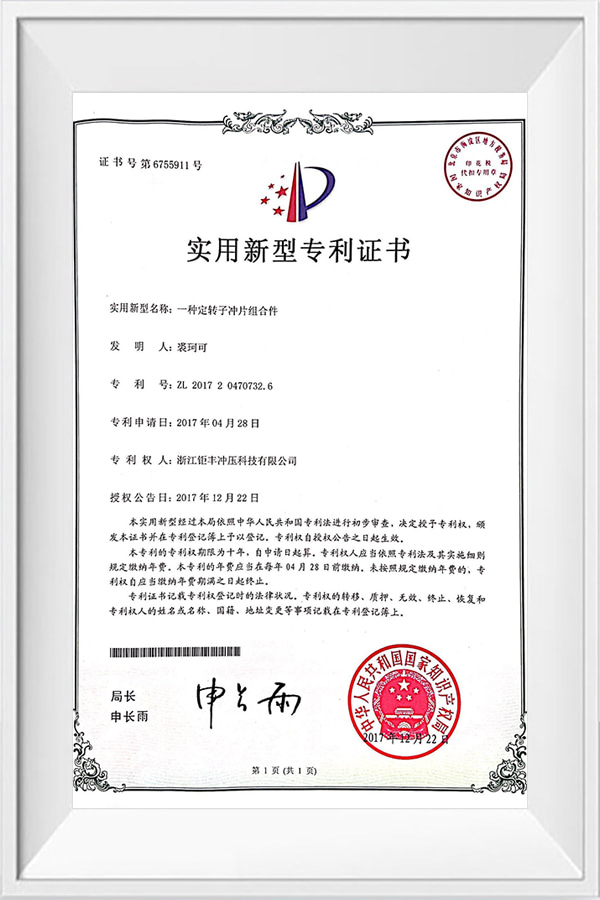
The subsequent stacking process is equally critical. Hundreds, sometimes thousands, of these thin laminations are meticulously stacked and aligned to form the complete core. Jufeng Technology employs advanced automated stacking and bonding techniques, such as interlocking, laser welding, and proprietary gluing, to create a rigid, unitary structure that can withstand the tremendous rotational forces and vibrations inherent in rail operation. This entire process, honed over 25 years of experience, is carried out across their 90,000 square meters of production bases, which are specifically equipped to handle the stringent requirements of rail transit components. The result is a core that exemplifies the company's commitment to "creation" and "integrity," delivering unmatched quality and reliability to the industry.
2. Key Functions: Electromagnetic Efficiency and Thermal Management
The primary function of the stator and rotor core assembly is to facilitate the highly efficient conversion of electrical energy into mechanical torque. This process is deeply rooted in electromagnetic principles and requires components that excel in both magnetic performance and thermal management. The stator core, as the stationary part, acts as the foundation for the motor's electromagnetic circuit. Its high-quality silicon steel laminations provide a low-reluctance path for the magnetic flux generated by the three-phase AC windings housed in its slots. The precision of Jufeng Technology's stamping and stacking ensures this path is consistent and uninterrupted, allowing for the creation of a pure, high-strength rotating magnetic field with minimal losses. This directly translates to higher torque output and better overall motor performance for heavy rail vehicles.
The rotor core, positioned within the stator with a minimal air gap, must respond with perfect synchrony. In an induction motor, the rotating magnetic field from the stator induces currents in the rotor's conductive bars. The rotor core’s laminations must effectively channel this induced flux to interact powerfully with the stator's field. The quality of the core material impacts the slip, or the difference in speed between the stator's field and the rotor's rotation. A core made from superior materials and manufacturing, like those produced by Jufeng, ensures optimal slip characteristics, maximizing torque production while maintaining efficiency.
Beyond pure electromagnetics, these cores are integral to the motor's thermal management. The various losses—hysteresis and eddy current losses in the cores themselves, and I²R losses in the windings—generate significant heat. If not managed, this heat degrades insulation, reduces efficiency, and can lead to motor failure. The laminated structure itself acts as a heat sink, drawing heat away from the windings. Jufeng's designs often incorporate axial ventilation ducts within the core stack. These strategically placed channels allow cool air to be forced through the motor, directly cooling the hottest parts of the stator and rotor. This sophisticated approach to integrated thermal management, born from relentless "innovation," ensures that motors can handle the sustained high-power demands of accelerating and cruising a train, thereby fulfilling the critical need for reliability and safety in rail transit.
3. The Impact on Rail System Performance: Efficiency, Reliability, and Noise
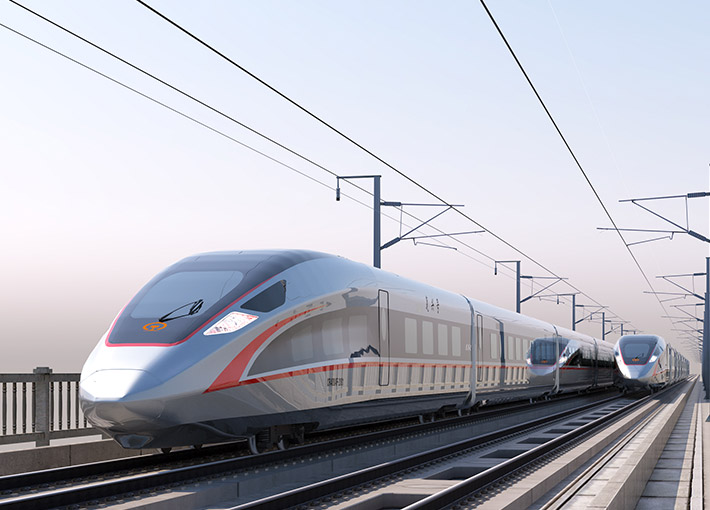
The cumulative effect of superior Rail Transit Motor Stator And Rotor Core design reverberates throughout the entire rail system, impacting its operational economics, environmental footprint, and passenger experience. The most significant impact is on energy efficiency. In an industry where motors operate for tens of thousands of hours per year, even a fractional percentage point improvement in efficiency yields enormous savings in electricity consumption. Zhejiang Jufeng Technology Co., Ltd., as a recognized "National High-Tech Enterprise" and "National Specialized and Innovative Small Giant Enterprise," focuses its R&D efforts on pushing these efficiency boundaries. By utilizing top-tier materials and perfecting their manufacturing processes, Jufeng's cores minimize electromagnetic losses, directly contributing to greener, more sustainable rail operations and aligning with global carbon reduction goals.
This pursuit of excellence also defines system reliability and power density. The brutal mechanical environment of a rail application—constant vibration, shock loads, and wide temperature swings—demands components built to last. A rotor core must be perfectly balanced to prevent destructive vibration at high speeds. A stator core must remain rigid and intact for decades. Jufeng's unwavering commitment to "integrity" is reflected in their robust construction and rigorous quality control, which ensures their cores meet the extreme longevity and durability standards of the rail industry. Their advanced cores enable higher power density, allowing manufacturers to achieve more power from a compact motor package. This saves crucial space and weight on the train bogie, which can be allocated to other systems or passenger capacity.
The acoustic performance of a train is a key metric of quality, especially for urban metro systems. A primary source of motor noise is electromagnetic excitation caused by imperfections in the core. Inconsistent lamination thickness, poor stacking, or suboptimal slot design can lead to objectionable tonal whine or hum. The precision manufacturing processes employed by Jufeng Technology are specifically designed to eliminate these imperfections. By delivering cores with exceptional geometric accuracy and magnetic consistency, they directly contribute to a quieter, smoother, and more comfortable ride for passengers. This focus on the passenger experience underscores Jufeng's broader "social contribution," proving that their components do more than just drive trains—they enhance the quality of urban life.

 简体中文
简体中文 English
 русский
 Español