
 简体中文
简体中文 English
 русский
 Español
Home / News / Industry News / What are the electromagnetic performance differences between Motor Rotor Core skewed slot design and Motor Rotor Core straight slot design?
What are the electromagnetic performance differences between Motor Rotor Core skewed slot design and Motor Rotor Core straight slot design?
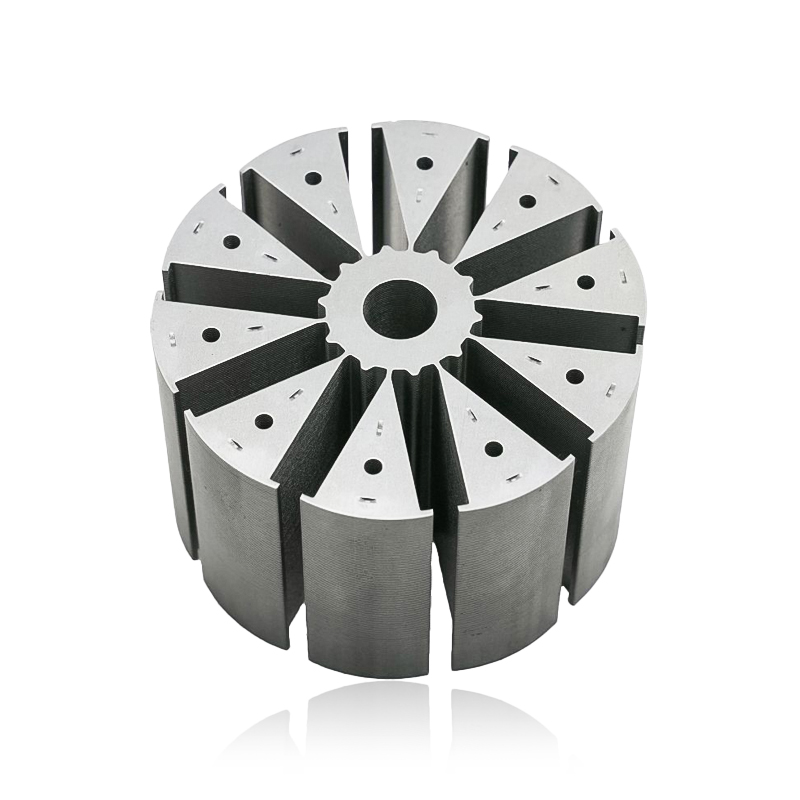
The electromagnetic performance difference between a Motor Rotor Core skewed slot design and a straight slot design is primarily reflected in torque ripple reduction, noise suppression, and harmonic mitigation. In general, the skewed slot design provides 15%–40% lower torque ripple and significantly reduced electromagnetic noise, while the straight slot design achieves 1%–3% higher peak efficiency due to simpler magnetic flux alignment and lower leakage flux. However, the straight slot design is more prone to cogging torque and harmonic distortion, especially at low-speed operation.
Therefore, skewed slot designs are preferred in high-performance, low-noise applications, while straight slot configurations are typically used in cost-sensitive or high-efficiency steady-state systems.
Fundamental Electromagnetic Behavior Differences
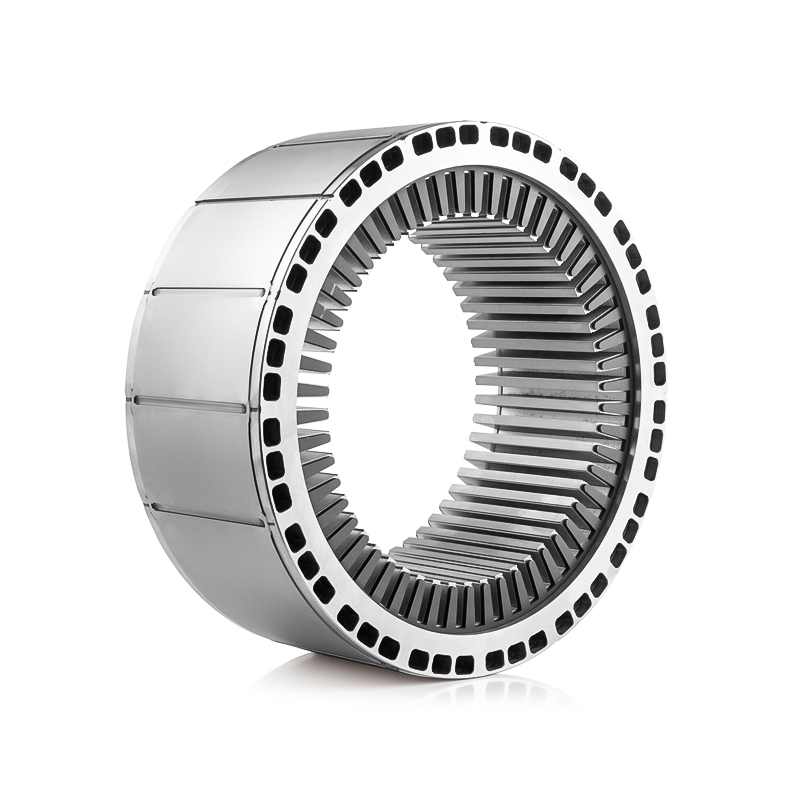
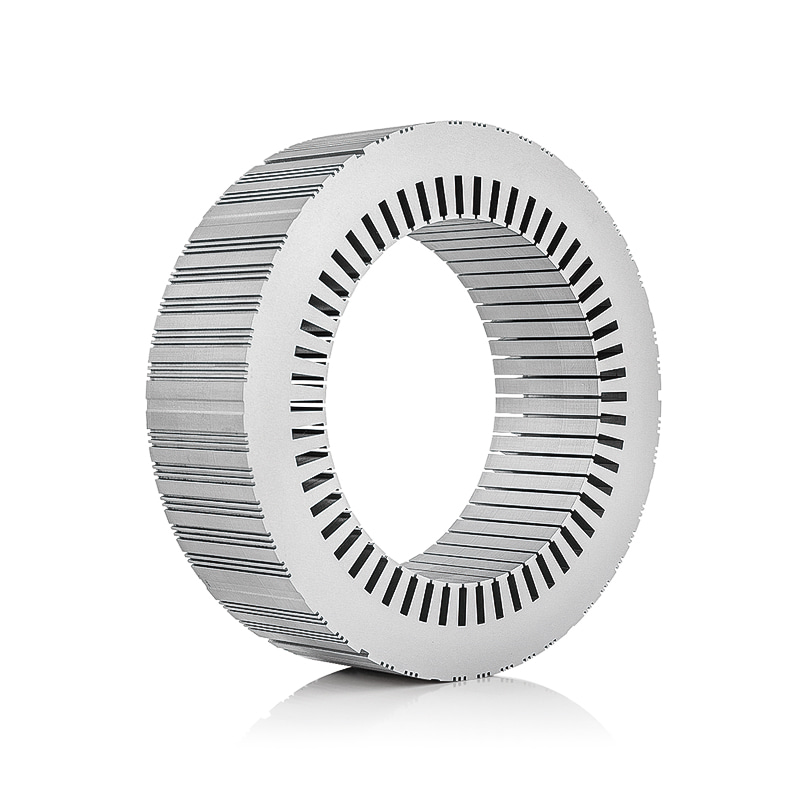
In a Motor Rotor Core, electromagnetic behavior is driven by the interaction between rotor magnetic fields and stator fields, often supported by a laminated stator core to reduce eddy current losses. The slot geometry directly affects air-gap flux distribution.
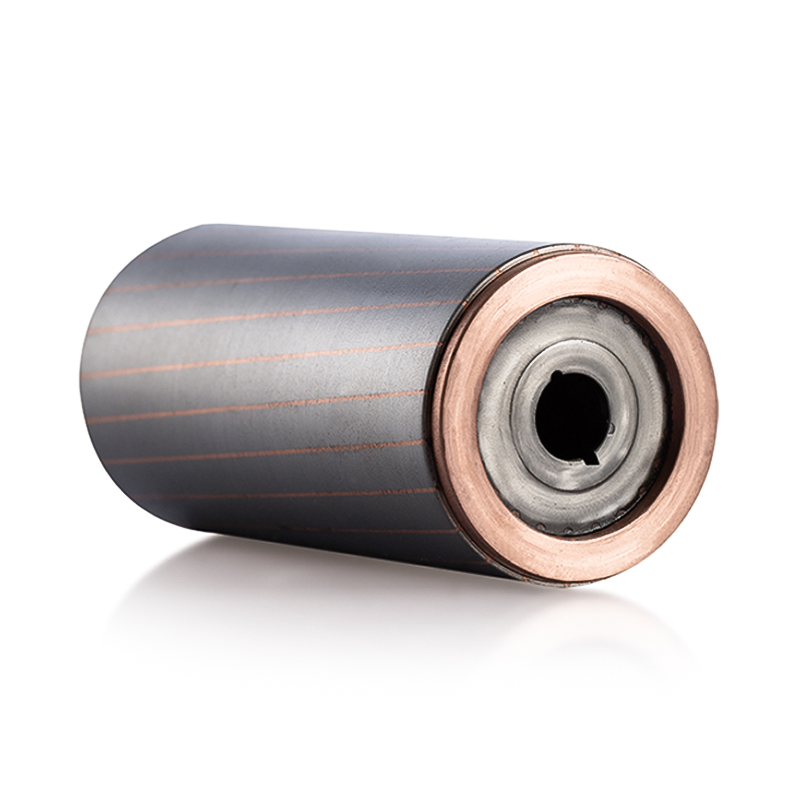
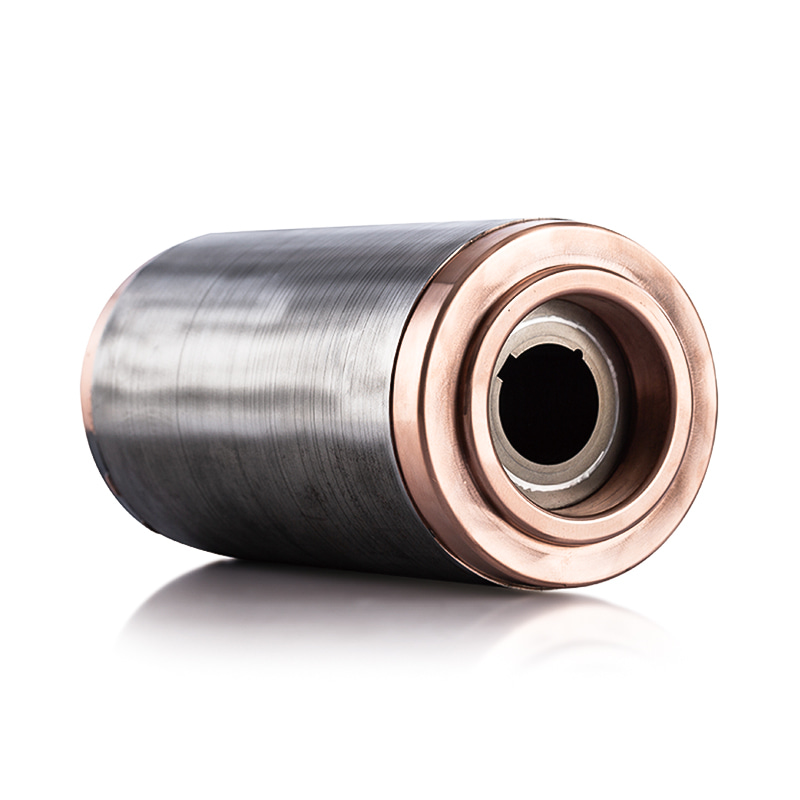
A straight slot design aligns rotor conductors parallel to the shaft axis, creating a uniform magnetic path. This results in stronger peak torque but also higher harmonic content. In contrast, skewed slots introduce a mechanical angular offset along the rotor length, which spreads electromagnetic interaction over time and space, reducing harmonic peaks.
- Straight slot: concentrated magnetic flux interaction
- Skewed slot: distributed flux interaction across rotor length
- Skewed slot reduces cogging torque by up to 60%
Torque Ripple and Cogging Torque Analysis
Torque ripple is one of the most critical performance indicators in Motor Rotor Core systems. Straight slot designs typically exhibit higher cogging torque due to periodic magnetic reluctance variation.
Experimental results show that a straight slot configuration may generate torque ripple values of 8%–12% of rated torque, whereas skewed slot designs reduce this to 3%–6%. This improvement significantly enhances smooth rotation, especially in precision servo systems.
- Straight slot: higher torque pulsation under low speed
- Skewed slot: distributed torque peaks over rotor angle
- Improved mechanical stability in skewed designs
Magnetic Losses and Efficiency Comparison
Magnetic losses in a Motor Rotor Core include hysteresis and eddy current losses, which are influenced by slot geometry and material composition of the laminated stator core. Straight slot designs tend to exhibit slightly lower copper losses due to shorter current paths, while skewed slot designs introduce marginally higher losses due to increased conductor length.
| Parameter | Straight Slot | Skewed Slot |
|---|---|---|
| Torque Ripple | 8%–12% | 3%–6% |
| Efficiency | Up to 96% | 94%–95% |
| Noise Level | Higher (audible whine) | Reduced by 20%–35% |
Vibration, Noise, and NVH Performance
Noise, vibration, and harshness (NVH) are strongly influenced by electromagnetic force harmonics in Motor Rotor Core structures. Straight slot designs generate periodic radial force waves that amplify acoustic noise.
Skewed slot designs reduce synchronous harmonic alignment, lowering vibration amplitude by approximately 25%–50%. This makes them suitable for applications requiring smooth acoustic profiles, such as precision industrial drives.
Manufacturing Complexity and Design Trade-offs
From a manufacturing perspective, straight slot Motor Rotor Core structures are simpler and more cost-effective. They require fewer machining steps and align easily with standard stamping processes used in a laminated stator core production line.
Skewed slot designs, however, require precise angular stacking or twisting during lamination assembly. This increases manufacturing cost by 10%–20% but improves electromagnetic smoothness significantly.
Application Scenarios and Engineering Selection
The choice between skewed and straight slot Motor Rotor Core designs depends heavily on application requirements. Straight slot designs are ideal for high-speed constant-load systems where maximum efficiency is prioritized.
Skewed slot designs are preferred in servo systems, robotics, and precision motion control where electromagnetic smoothness and torque stability outweigh slight efficiency losses.
- Straight slot: pumps, fans, compressors
- Skewed slot: CNC machines, robotics, precision actuators
- Hybrid approaches combine both for optimized performance
The electromagnetic performance trade-off between Motor Rotor Core skewed and straight slot designs is a balance between efficiency and smoothness. Straight slots deliver slightly higher efficiency and simpler manufacturing, while skewed slots provide superior electromagnetic quality, reduced torque ripple, and significantly improved NVH performance. Engineering decisions should therefore be guided by system priorities rather than a single performance metric.
Previous article
What are the trade-offs between thin-lamination and thick-lamination Motor Stator Core structures?
next article
How does the thermal management capability of an Electric Vehicle Drive Motor Stator Core compare with a Water-Cooled Stator Core?
Related News
-
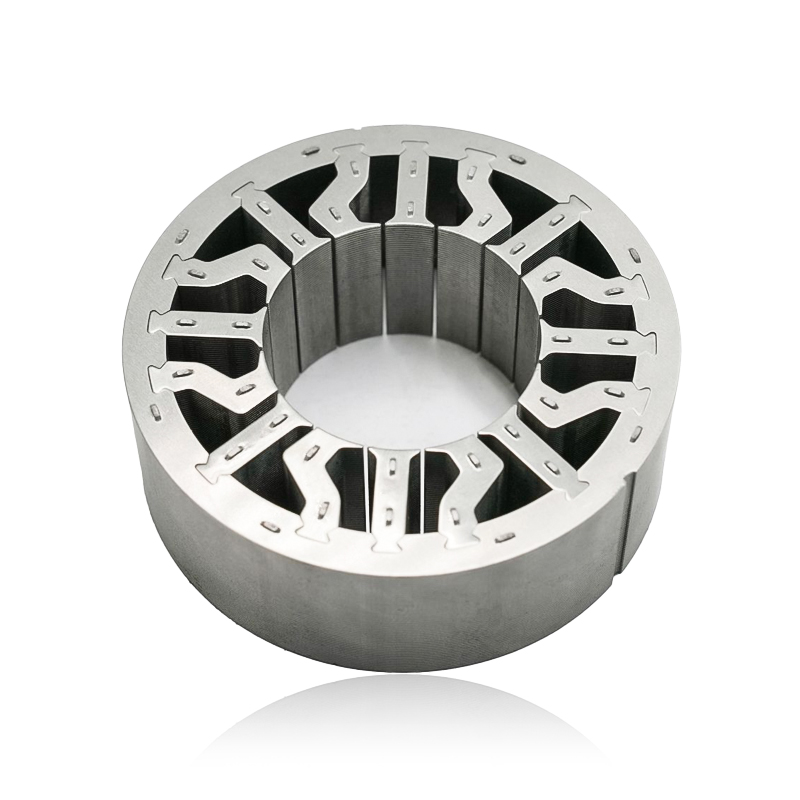
What are Stator and Rotor Cores? Stator Cores A stator core is the stationary component of an electric motor. It's the part that houses the copper windings, which, when an electric current passes thro...
See Details -
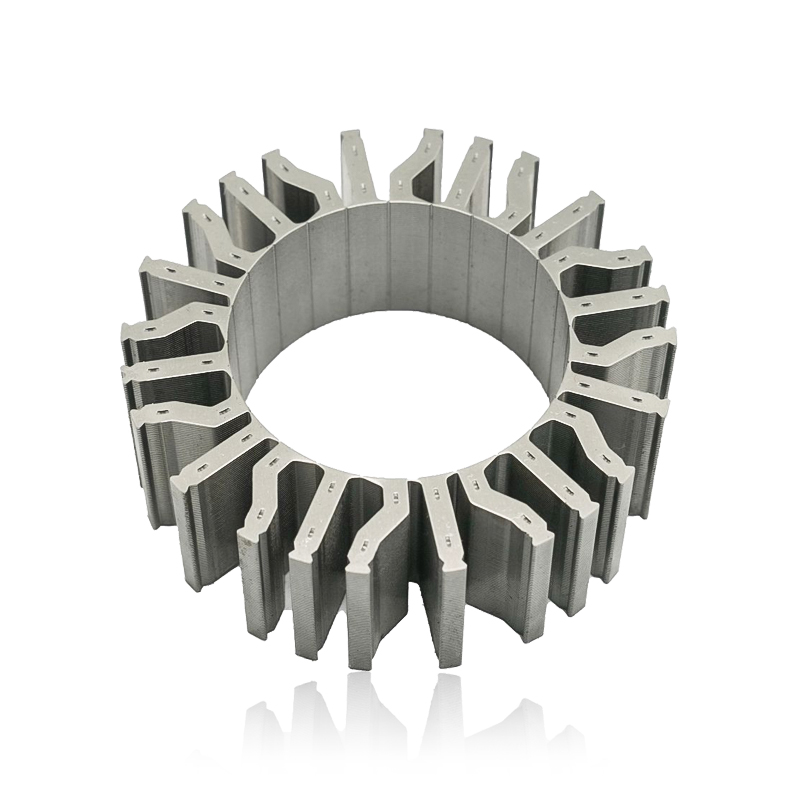
Introduction The modern automobile is a complex machine, and its evolution has been driven by continuous innovation in every component. While internal combustion engines have dominated the industry fo...
See Details -
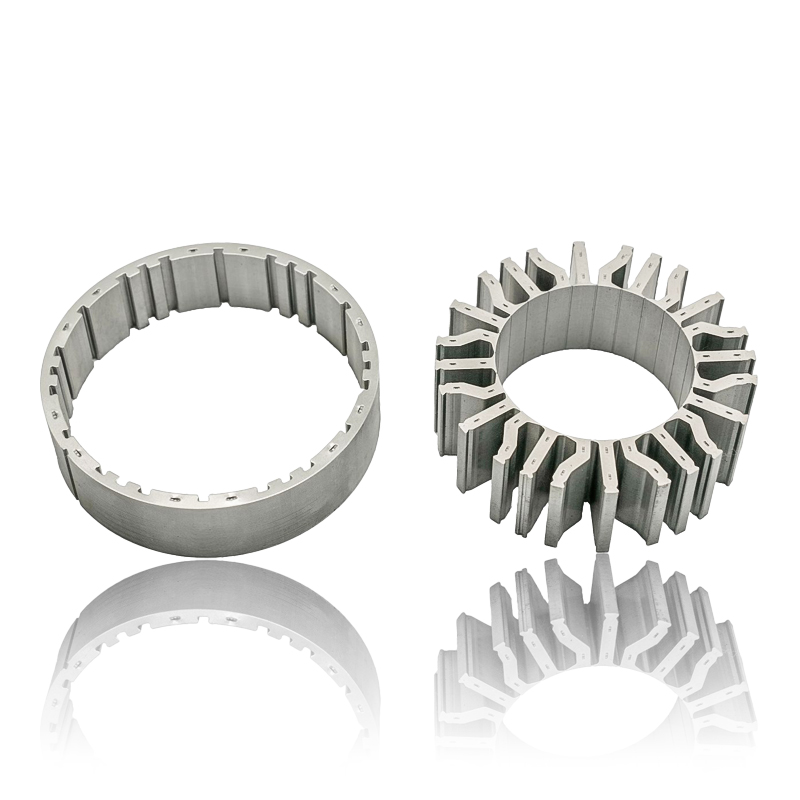
The Importance of Material Selection for Rotor and Stator Cores in Electric Vehicle Motors In the design of electric vehicle (EV) motors, material selection is a pivotal factor influencing the motor’s...
See Details -
Introduction of automotive motor stator and rotor cores The increasing popularity of electric vehicles and hybrid electric vehicles has brought about significant advancements in automotive technology....
See Details


Zhejiang Jufeng Technology Co., Ltd. © All rights reserved
