
 简体中文
简体中文 English
 русский
 Español
Home / News / Industry News / How does the thermal management capability of an Electric Vehicle Drive Motor Stator Core compare with a Water-Cooled Stator Core?
How does the thermal management capability of an Electric Vehicle Drive Motor Stator Core compare with a Water-Cooled Stator Core?
When comparing the thermal management capability of an Electric Vehicle Drive Motor Stator Core with a Water-Cooled Stator Core, the Water-Cooled Stator Core generally delivers superior heat dissipation performance. By circulating coolant directly around the stator assembly, it removes heat more efficiently than conventional air-cooled or naturally cooled designs. This enables lower operating temperatures, higher continuous power output, improved efficiency, and extended motor lifespan.
However, this does not mean that every Electric Vehicle Drive Motor Stator Core is inferior. Modern designs that utilize a high-quality laminated stator core, optimized slot geometry, advanced insulation materials, and effective housing structures can achieve excellent thermal performance while maintaining lower manufacturing complexity and cost. The ideal choice depends on vehicle performance requirements, duty cycles, packaging constraints, and cost targets.
Why Thermal Management Is Critical in Electric Vehicle Motors
Heat is one of the most significant factors affecting electric motor performance. During operation, energy losses inside the motor generate heat continuously. If this heat is not removed efficiently, motor components can exceed their safe operating temperatures, leading to reduced efficiency, accelerated insulation aging, and potential system failures.
In electric vehicles, drive motors frequently operate under demanding conditions such as rapid acceleration, hill climbing, towing, and high-speed cruising. These operating modes can produce substantial thermal loads. Therefore, the thermal management capability of the stator core directly influences:
- Continuous torque capability
- Motor efficiency
- Vehicle driving range
- Insulation durability
- Long-term reliability
- Power density
Even a small reduction in operating temperature can significantly improve motor longevity. Industry studies often indicate that reducing winding temperature by 10°C may nearly double insulation life under certain operating conditions.
How an Electric Vehicle Drive Motor Stator Core Dissipates Heat
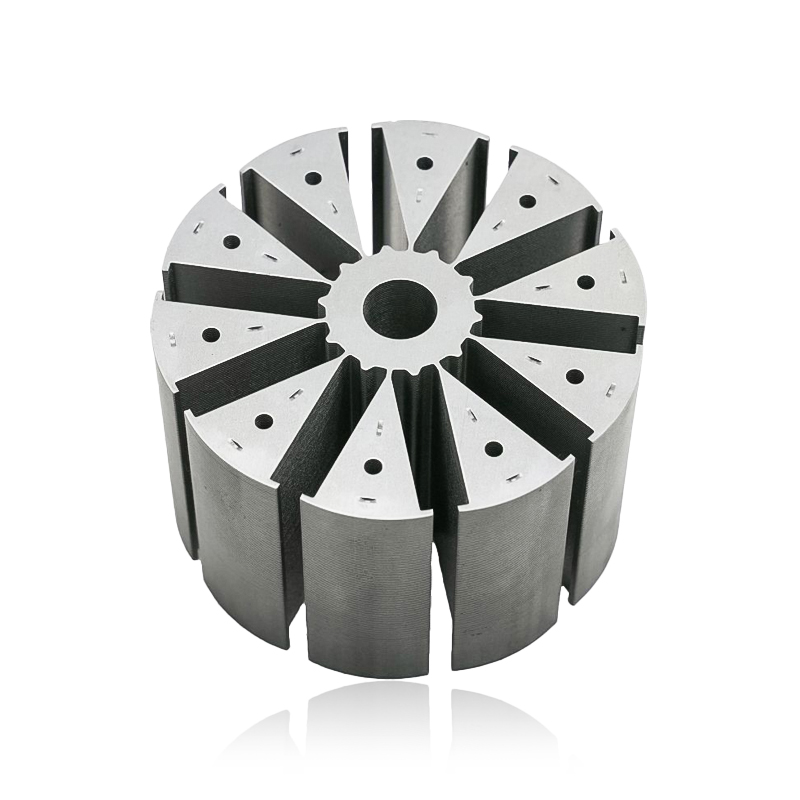
A conventional Electric Vehicle Drive Motor Stator Core primarily relies on conduction and convection to remove heat. Heat generated within the windings and magnetic core travels through the stator structure before being transferred to the motor housing and eventually to the surrounding environment.
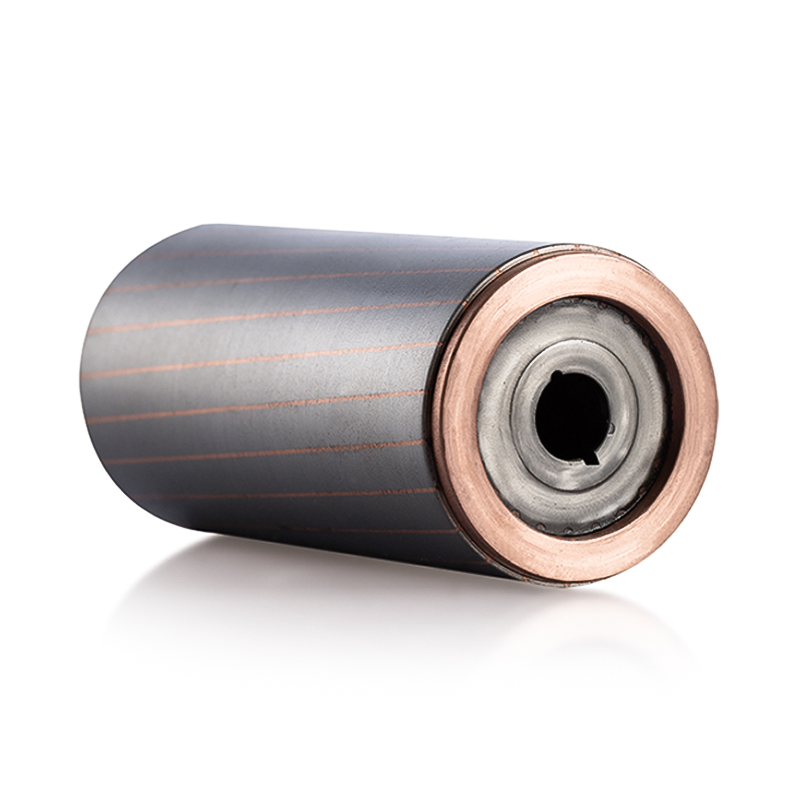
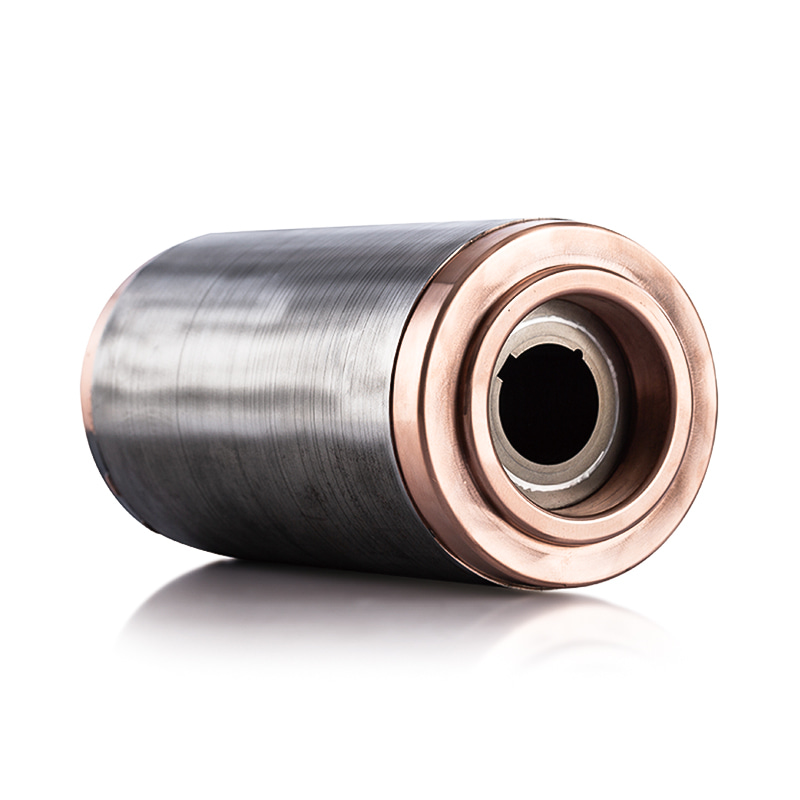
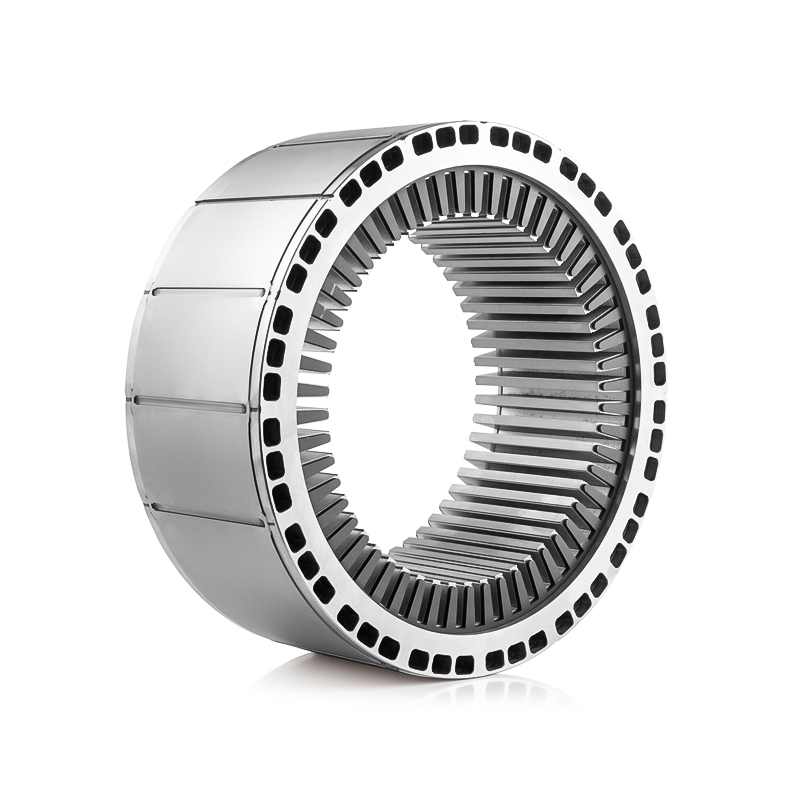
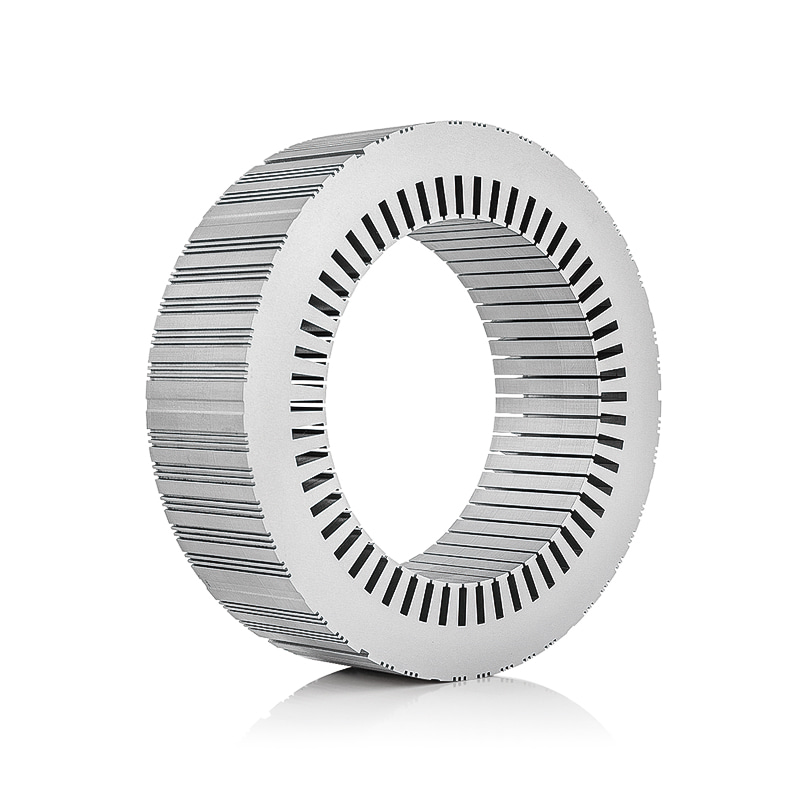
Most modern EV motors use a laminated stator core constructed from thin electrical steel laminations. These laminations reduce eddy current losses while improving magnetic efficiency. Because less energy is lost as heat, the laminated stator core contributes indirectly to better thermal management.
Typical heat sources inside an Electric Vehicle Drive Motor Stator Core include:
- Copper losses in stator windings
- Core losses caused by hysteresis
- Eddy current losses within magnetic materials
- Mechanical losses transferred from rotating components
Although laminated stator core technology significantly reduces magnetic losses, heat must still travel through multiple material layers before reaching the cooling surface, limiting overall heat extraction capability compared with liquid cooling systems.
How a Water-Cooled Stator Core Improves Heat Removal
A Water-Cooled Stator Core incorporates dedicated coolant passages around the stator assembly. Coolant continuously absorbs thermal energy and transports it away from the motor, where it is released through a radiator or heat exchanger.
Liquid cooling offers a major advantage because water-based coolants possess significantly higher heat capacity than air. As a result, they can absorb and transport larger amounts of thermal energy in a smaller space.
Key benefits of water cooling include:
- Lower maximum stator temperatures
- Reduced thermal hotspots
- More stable operating conditions
- Higher continuous current capability
- Improved power density
In many high-performance EV applications, water-cooled stator designs maintain operating temperatures that are 20–30°C lower than comparable air-cooled systems under sustained heavy loads.
Performance Comparison Under Continuous Load
| Parameter | Electric Vehicle Drive Motor Stator Core | Water-Cooled Stator Core |
|---|---|---|
| Typical Temperature Rise | 45–60°C | 25–35°C |
| Continuous Torque Capability | Moderate | High |
| Cooling Efficiency | Good | Excellent |
| System Complexity | Low | High |
| Maintenance Requirements | Minimal | Moderate |
The Role of Laminated Stator Core Technology
The laminated stator core remains one of the most important innovations in electric motor design. Instead of using a solid steel core, manufacturers stack hundreds of thin insulated steel sheets together. This structure interrupts circulating currents and dramatically reduces eddy current losses.
Lower eddy current losses mean less heat generation inside the motor. For example, advanced laminated stator core designs can reduce magnetic losses by 20–40% compared with thicker or less optimized constructions. This reduction directly decreases thermal stress and improves overall efficiency.
Even in water-cooled systems, the laminated stator core remains essential because reducing heat generation is often more effective than simply increasing cooling capacity. Therefore, modern EV motors typically combine efficient laminated stator core designs with advanced cooling technologies to achieve maximum performance.
Cost and Manufacturing Considerations
Thermal performance is not the only factor influencing motor design decisions. Manufacturing cost and production scalability are equally important, especially in mass-market electric vehicles.
A standard Electric Vehicle Drive Motor Stator Core utilizing a laminated stator core can often be produced with fewer components and simpler assembly processes. This reduces manufacturing costs and improves production efficiency.
Water-cooled stator cores require additional components, including coolant channels, pumps, hoses, seals, and heat exchangers. These elements increase both initial production costs and long-term maintenance requirements. For this reason, manufacturers often reserve advanced water-cooling systems for vehicles that demand higher performance levels.
Application Scenarios for Each Design
Electric Vehicle Drive Motor Stator Core
This solution is typically suitable for passenger vehicles, urban mobility platforms, commercial fleets with predictable duty cycles, and applications where cost efficiency is a primary objective.
Water-Cooled Stator Core
This design is ideal for high-performance electric vehicles, heavy-duty transportation systems, performance-oriented applications, and vehicles that regularly operate under high-load conditions. The enhanced thermal capacity enables sustained power delivery without excessive temperature rise.
A Water-Cooled Stator Core offers the best thermal management capability when maximum performance, continuous torque, and temperature control are the primary objectives. Its ability to maintain lower operating temperatures allows motors to operate more efficiently and reliably during demanding driving conditions.
Nevertheless, a well-engineered Electric Vehicle Drive Motor Stator Core featuring an advanced laminated stator core remains a highly effective and practical solution for many electric vehicle applications. It delivers excellent efficiency, lower manufacturing costs, reduced complexity, and dependable long-term operation. As electric vehicle technology continues to evolve, future motor designs will increasingly combine optimized laminated stator core structures with advanced cooling strategies to achieve the best balance of performance, durability, and cost.
Previous article
What are the electromagnetic performance differences between Motor Rotor Core skewed slot design and Motor Rotor Core straight slot design?
next article
What are the performance differences between welded and bonded Small Motor Stator Core assemblies?
Related News
-
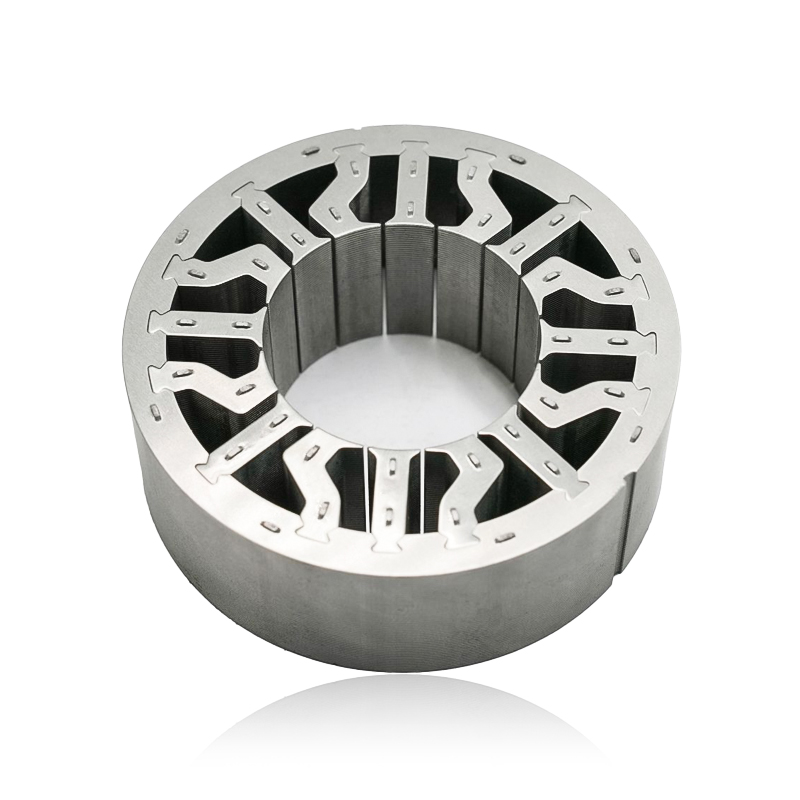
What are Stator and Rotor Cores? Stator Cores A stator core is the stationary component of an electric motor. It's the part that houses the copper windings, which, when an electric current passes thro...
See Details -
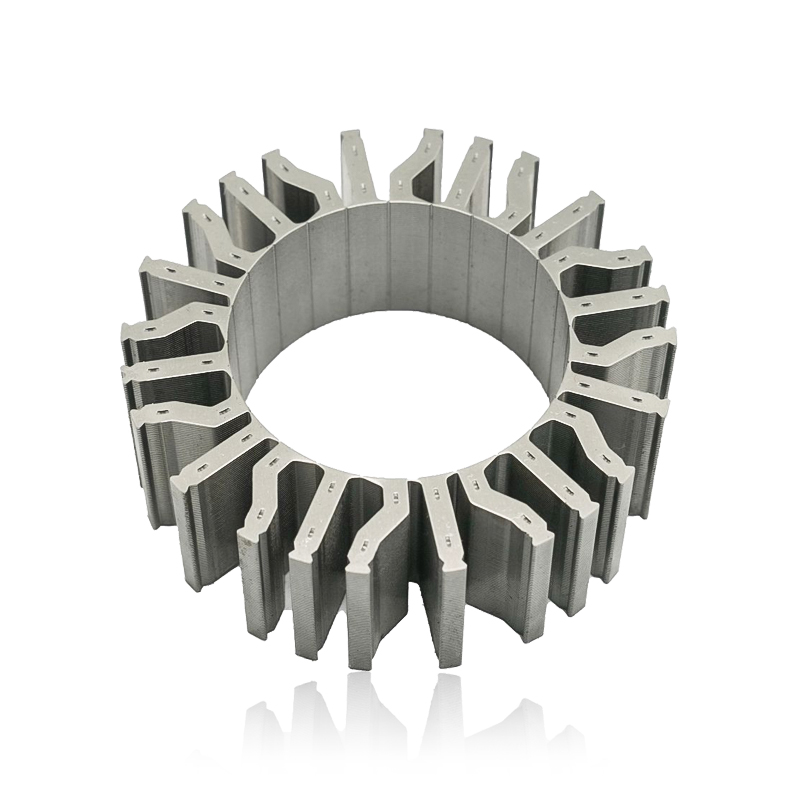
Introduction The modern automobile is a complex machine, and its evolution has been driven by continuous innovation in every component. While internal combustion engines have dominated the industry fo...
See Details -
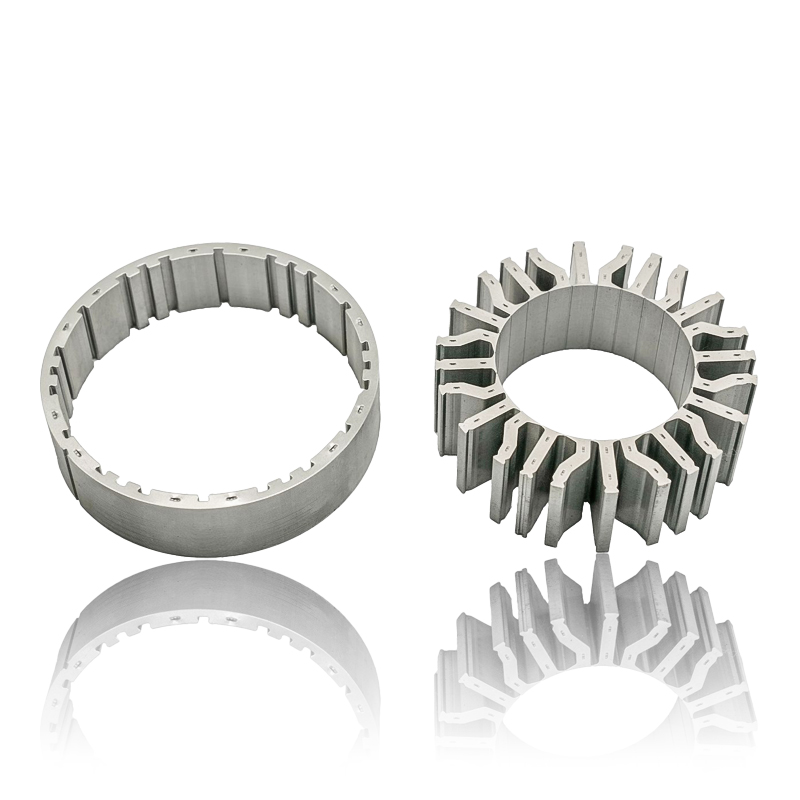
The Importance of Material Selection for Rotor and Stator Cores in Electric Vehicle Motors In the design of electric vehicle (EV) motors, material selection is a pivotal factor influencing the motor’s...
See Details -
Introduction of automotive motor stator and rotor cores The increasing popularity of electric vehicles and hybrid electric vehicles has brought about significant advancements in automotive technology....
See Details


Zhejiang Jufeng Technology Co., Ltd. © All rights reserved
