
 简体中文
简体中文 English
 русский
 Español
520-350 Elevator Motor
Stator inner and outer diameter: 520-350 Number of stator slots: 36 slots ...
The elevator traction motor is a crucial component in the operation of modern elevators, responsible for converting electrical energy into mechanical energy to move the elevator cab. It consists of two main parts: the stator and the rotor core.
The stator is the stationary part of the motor, typically composed of a series of laminated steel sheets stacked together. These laminations reduce energy losses due to eddy currents and improve efficiency. The stator houses the windings through which electrical current flows, generating a magnetic field. This magnetic field interacts with the rotor, producing the torque necessary to drive the elevator.
The rotor core, on the other hand, is the rotating part of the motor. It is also made from laminated steel, which helps to minimize losses and enhance performance. The rotor typically has conductive bars or coils that allow it to react to the magnetic field generated by the stator. As the magnetic field fluctuates, it induces currents in the rotor, causing it to turn and, in turn, drive the elevator mechanism.
Together, the stator and rotor core work in harmony to ensure smooth and efficient operation of the elevator, providing reliable transportation within buildings. The design and materials used in both components play a significant role in the motor's overall performance, durability, and energy efficiency.

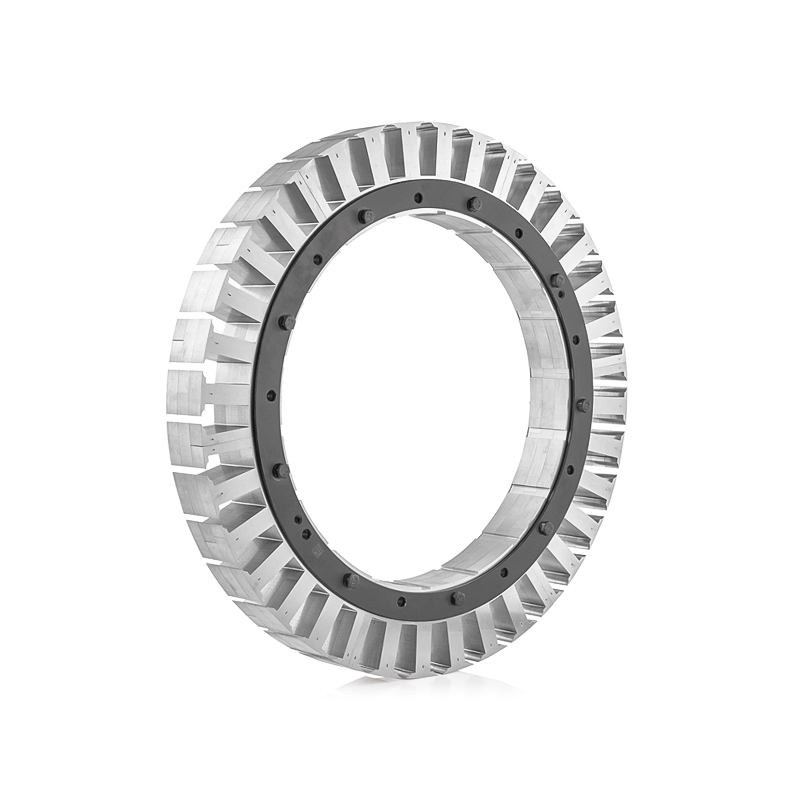
Stator inner and outer diameter: 520-350 Number of stator slots: 36 slots ...
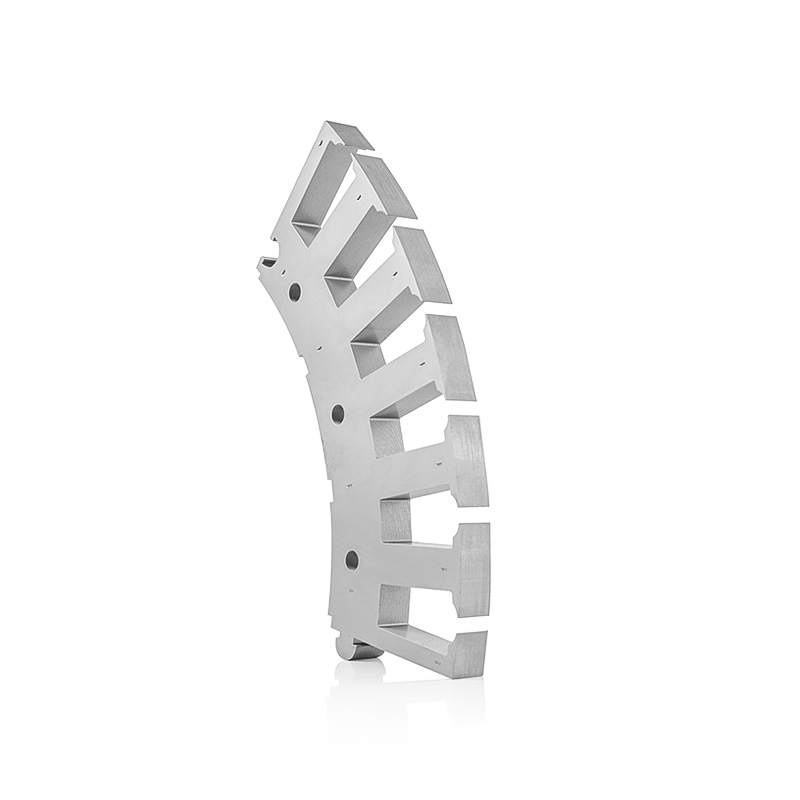
Stator inner and outer diameter: 520-350 Number of stator slots: 36 slots ...
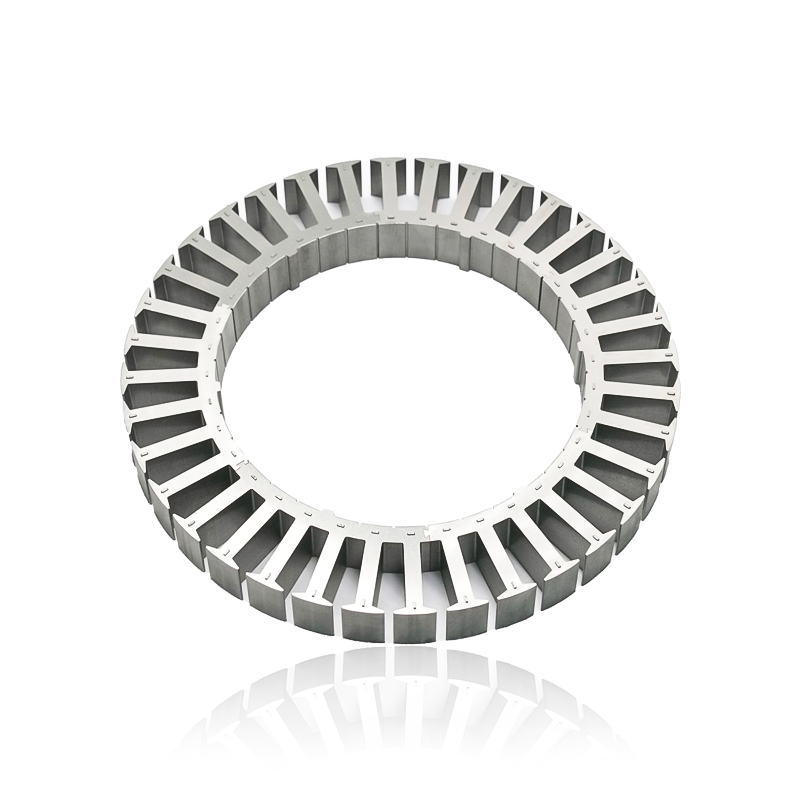
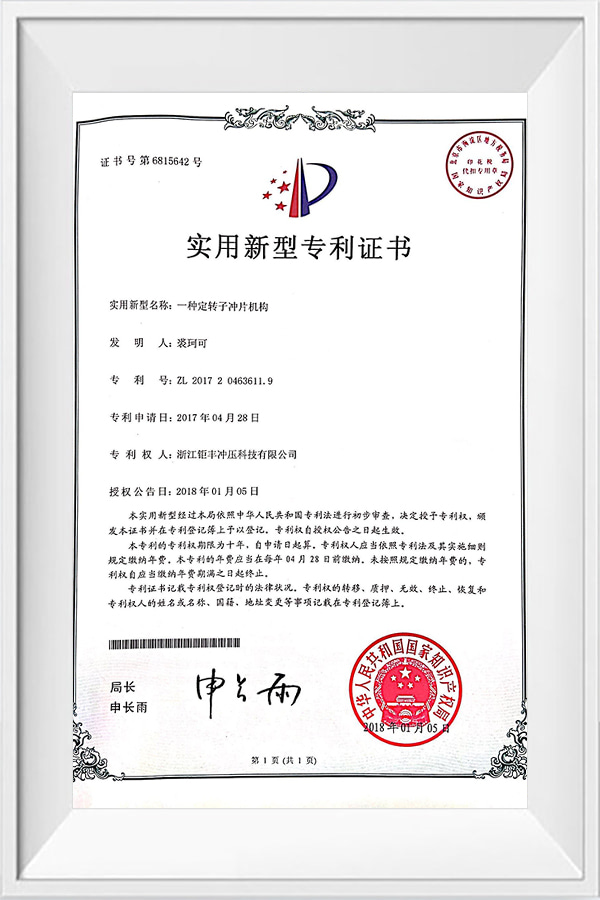
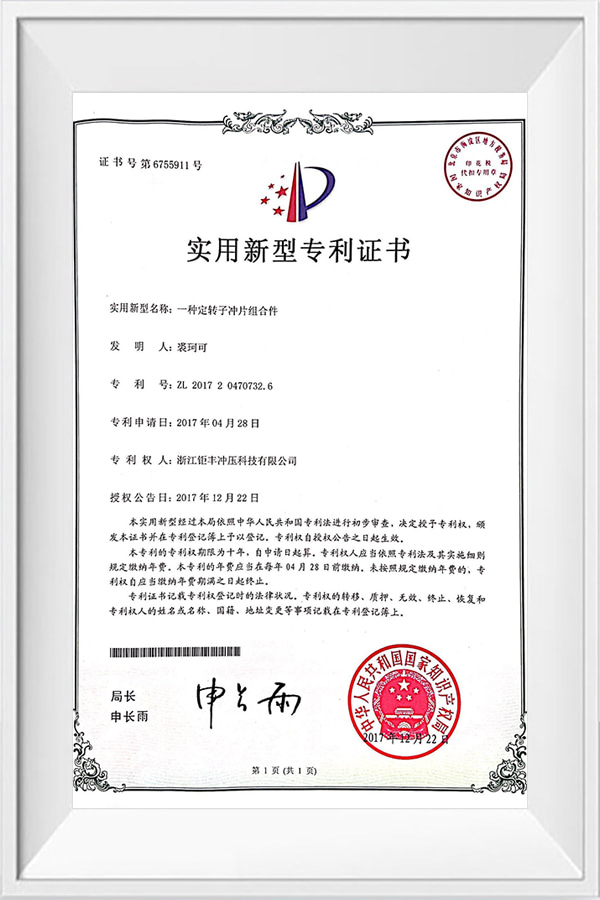
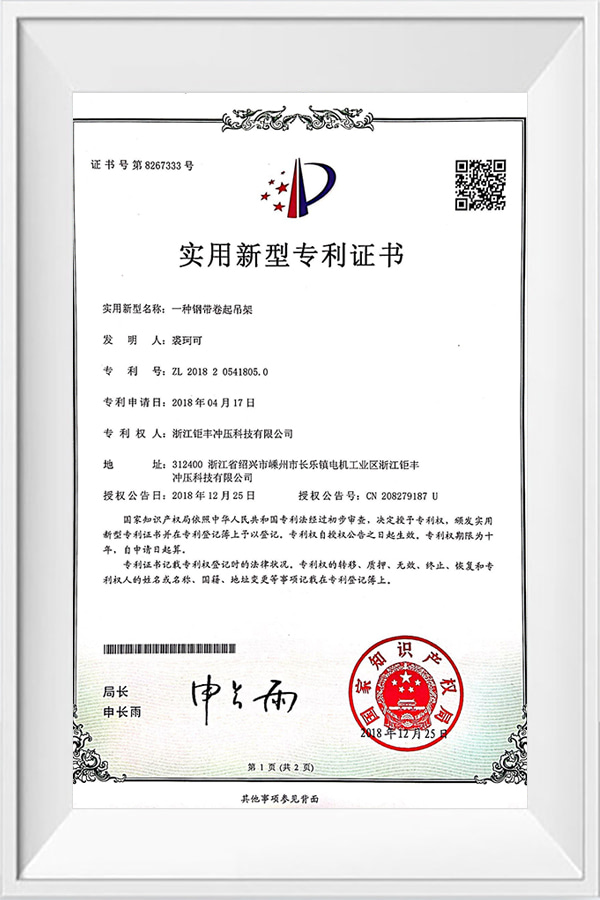
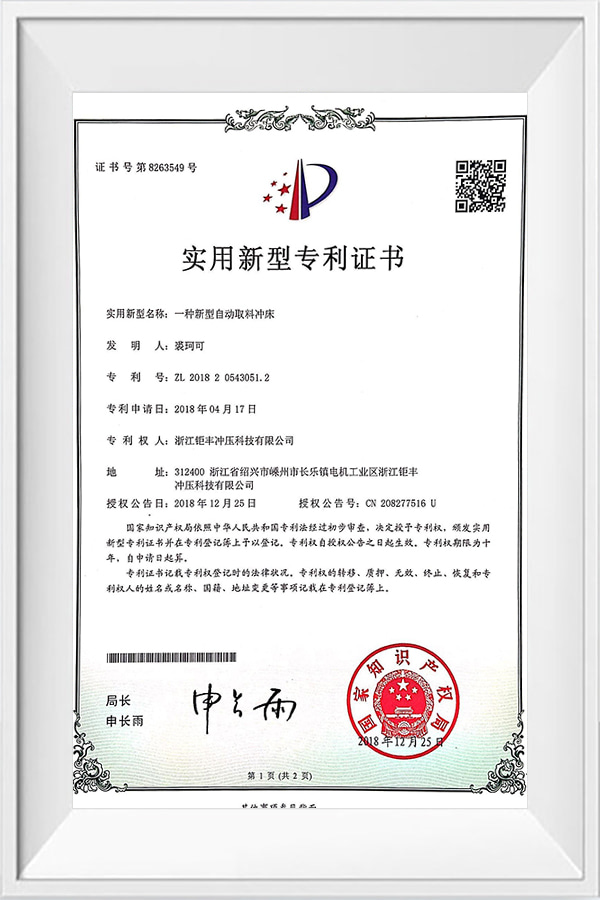
Generator core engineering Generator Stator Core Construction: Laminations, Stacking and Cooling Two suppliers can quote the same electromagnetic design and still deliver cores that differ in no-load loss, noise and temperature rise. The difference is construction: the steel, the clamping, the cool...
View MoreGenerator Stator Core Material: The Decision That Fixes Your Losses for a Decade Choose by frequency first, then by flux density, then by lamination thickness. Coating class, punching quality and stacking method decide whether the strip you bought behaves like the steel you tested. A stator core do...
View MoreMotor Core Engineering The Thin Layers That Decide a Motor's True Efficiency The role of stator core laminations goes beyond eddy-current control. It defines efficiency, heat, noise, and insulation life. Give a motor designer a solid block of electrical steel, and they will explain why it cannot b...
View More

Zhejiang Jufeng Technology Co., Ltd. © All rights reserved

Custom Elevator Traction Motor Stator And Rotor Core Suppliers