
 简体中文
简体中文 English
 русский
 Español
Home / News / Industry News / How do Automotive Motor Stator Cores perform under thermal cycling, vibration, and long-term operational stress in automotive environments?
How do Automotive Motor Stator Cores perform under thermal cycling, vibration, and long-term operational stress in automotive environments?
-
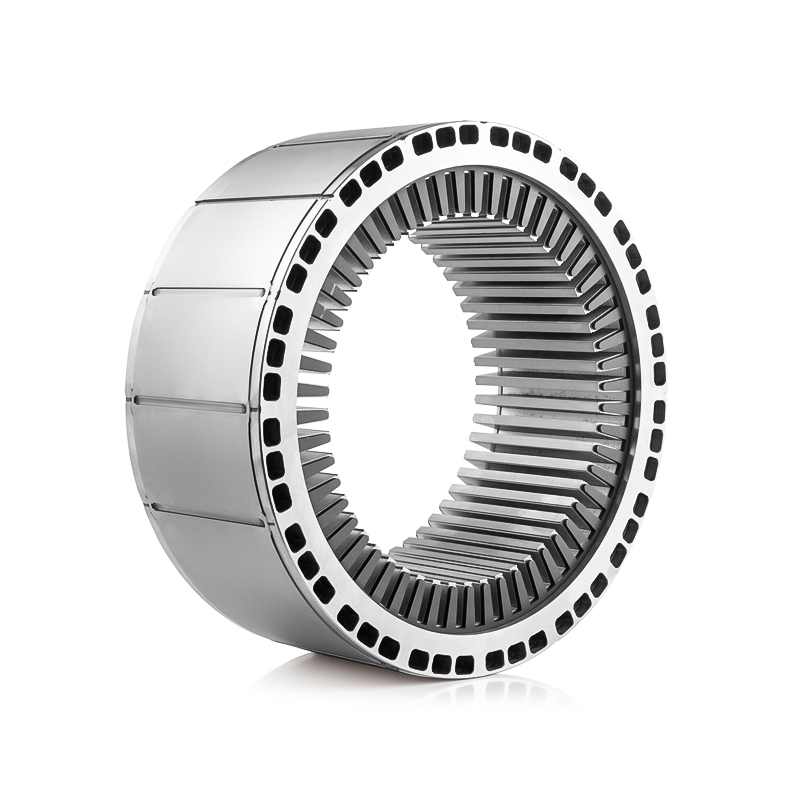
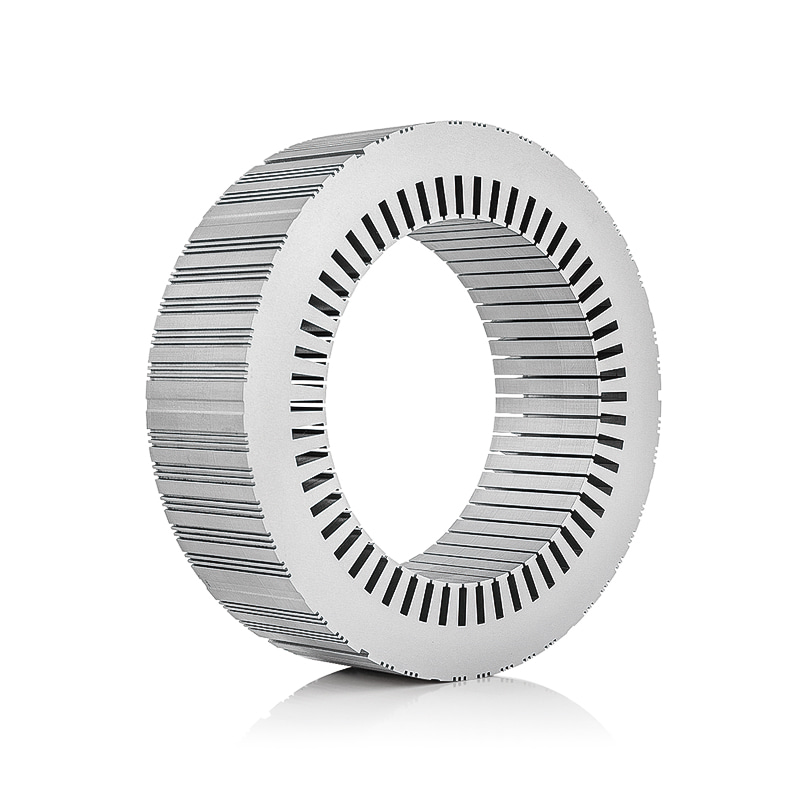
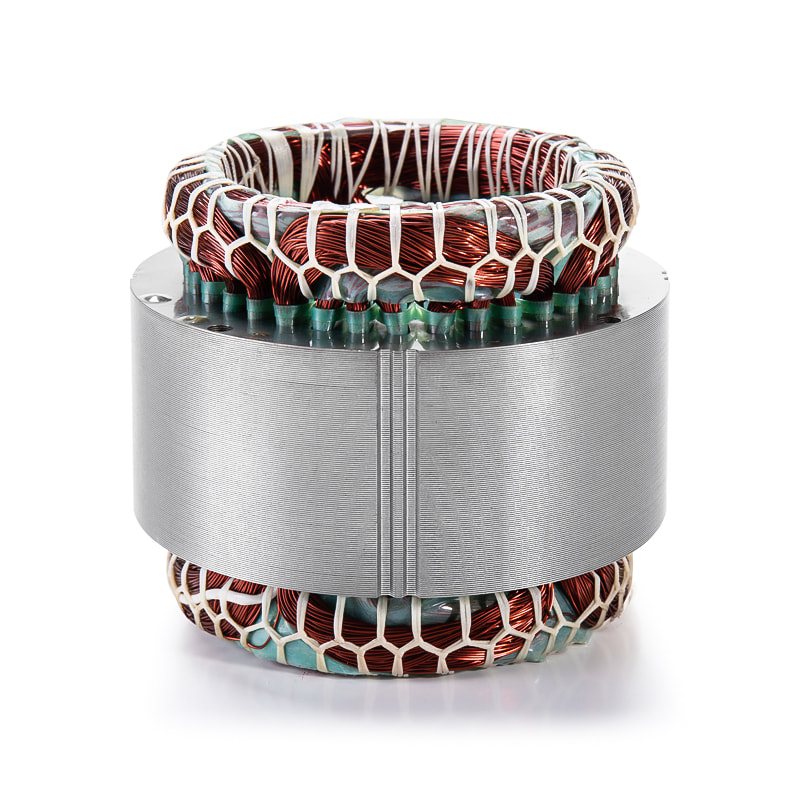
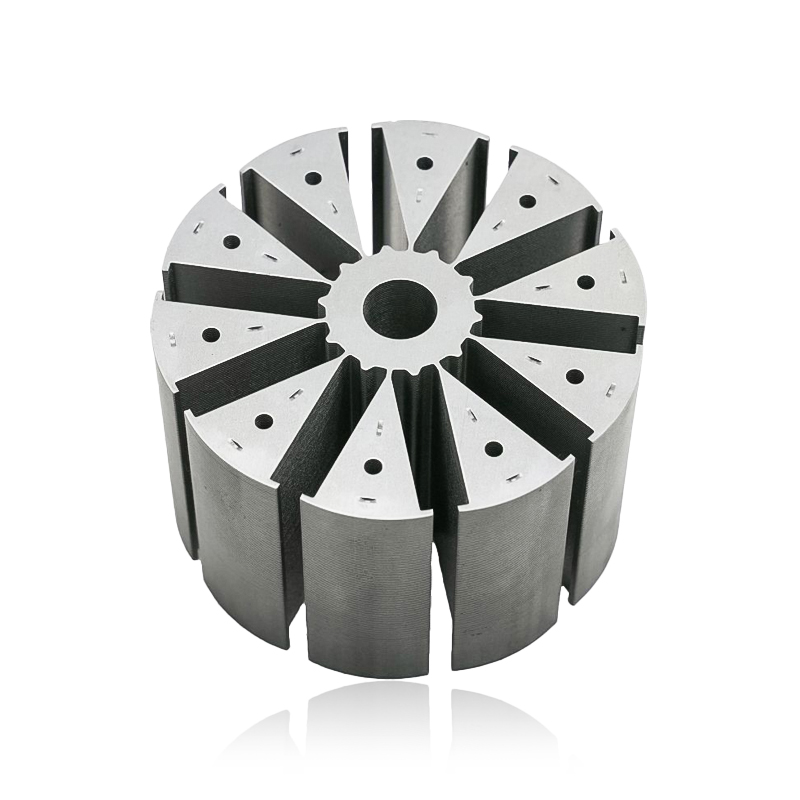
Performance under thermal cycling: Automotive motors are subjected to frequent heating and cooling cycles due to variations in load, ambient temperature, and motor operation. Automotive Motor Stator Cores, typically made of laminated electrical steel, must maintain structural integrity and magnetic performance despite these fluctuations. Thermal cycling causes expansion and contraction of the core material and insulation layers between laminations. High-quality stator cores use thermally stable laminations and insulating coatings that prevent interlaminar short circuits, maintain consistent magnetic flux paths, and minimize changes in resistance. Poor thermal stability can lead to warping, delamination, or deterioration of insulation, which reduces efficiency, increases losses, and can ultimately cause premature motor failure. Material selection, such as high-grade silicon steel or amorphous alloys, and proper thermal management strategies are essential to maintain performance under repeated thermal cycles.
-
Resistance to vibration and mechanical stress: Automotive environments expose motors to continuous vibration from engine operation, road conditions, and vehicle dynamics. Automotive Motor Stator Cores must withstand these mechanical stresses without loosening laminations or degrading insulation. Laminations are typically stacked and bonded using high-strength adhesives, welding, or mechanical interlocking techniques to ensure that they remain stable under vibration. Additionally, the core design, including tooth geometry and stacking method, helps distribute vibrational forces evenly to prevent resonance, noise, and fatigue. Inadequate bonding or structural support can lead to vibration-induced deformation, stator hum, increased acoustic noise, and even short circuits over time.
-
Long-term operational stress and durability: Over the vehicle’s service life, Automotive Motor Stator Cores are exposed to continuous electrical, thermal, and mechanical loads. Repeated magnetic cycling generates hysteresis and eddy current losses, contributing to heat buildup in the core. The material’s ability to maintain magnetic permeability and low core losses under these conditions is critical for efficiency and reliability. Additionally, long-term exposure to environmental factors such as humidity, contamination, or corrosive agents can degrade the insulation or metal surfaces. High-quality stator cores incorporate protective coatings, varnishes, and corrosion-resistant materials to extend operational life. Proper design and material selection ensure that the cores resist fatigue, maintain consistent torque output, and minimize efficiency loss over tens of thousands of operational cycles.
-
Integrated thermal and mechanical management strategies: Modern Automotive Motor Stator Cores are often designed with thermal management in mind, such as optimized lamination thickness, improved magnetic flux paths, and enhanced cooling through rotor-stator spacing or coolant channels in high-power motors. These features reduce hotspots caused by repetitive operation. Mechanical reinforcement, including bonded laminations and precise stacking, maintains dimensional stability under long-term vibration and mechanical loads. Together, these strategies ensure that the stator cores perform reliably in automotive applications where thermal cycling, vibration, and long-term stress are unavoidable.
Previous article
How does the design of Automotive Motor Rotor Cores influence the efficiency of electric motors in vehicles?
next article
How does the magnetic flux density of a Wind Power Generator Motor Stator Core affect generator efficiency?
Related News
-
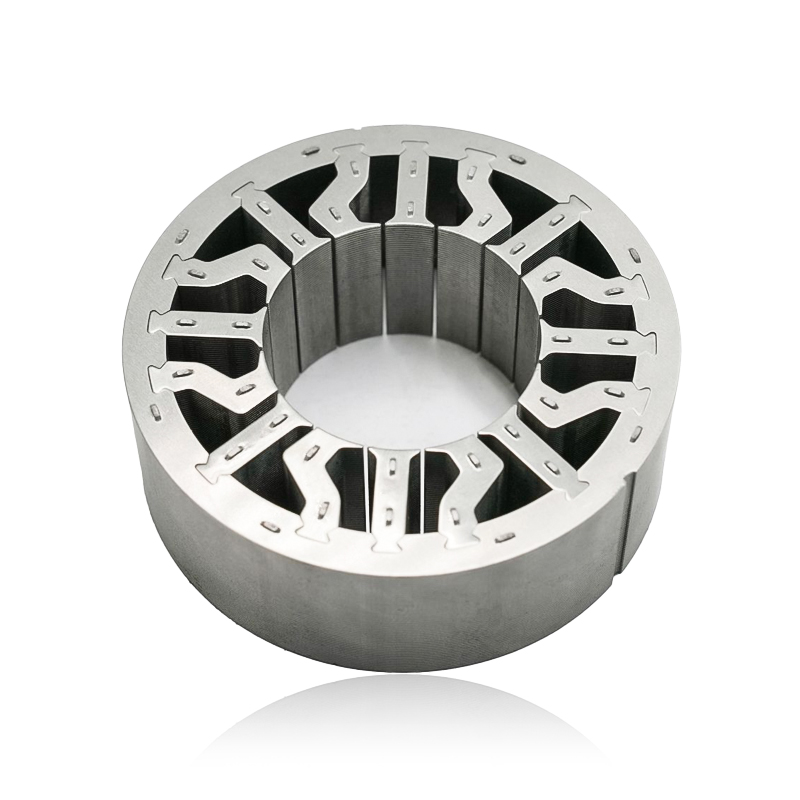
What are Stator and Rotor Cores? Stator Cores A stator core is the stationary component of an electric motor. It's the part that houses the copper windings, which, when an electric current passes thro...
See Details -
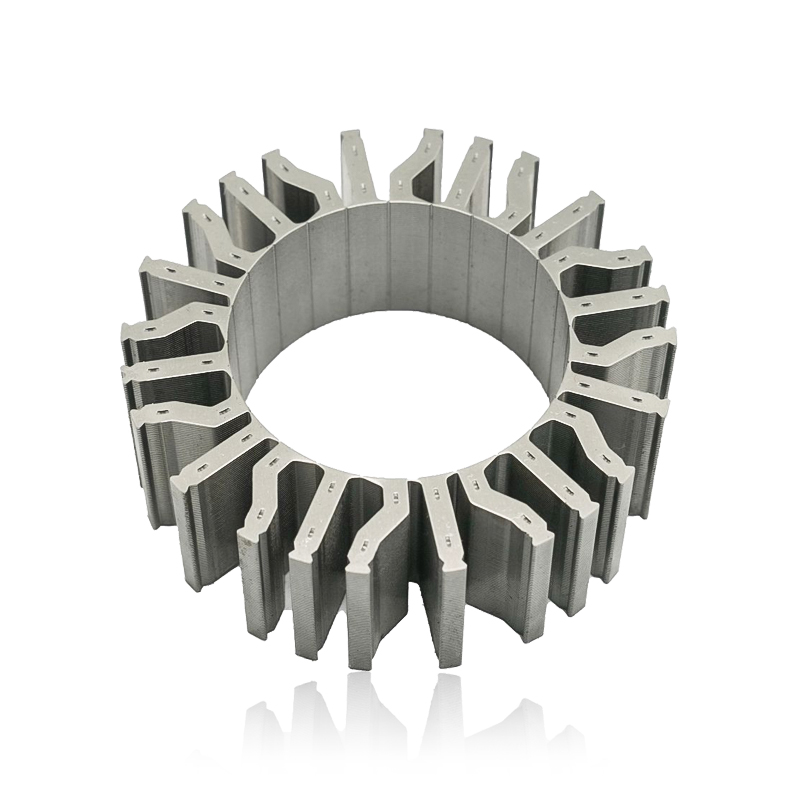
Introduction The modern automobile is a complex machine, and its evolution has been driven by continuous innovation in every component. While internal combustion engines have dominated the industry fo...
See Details -
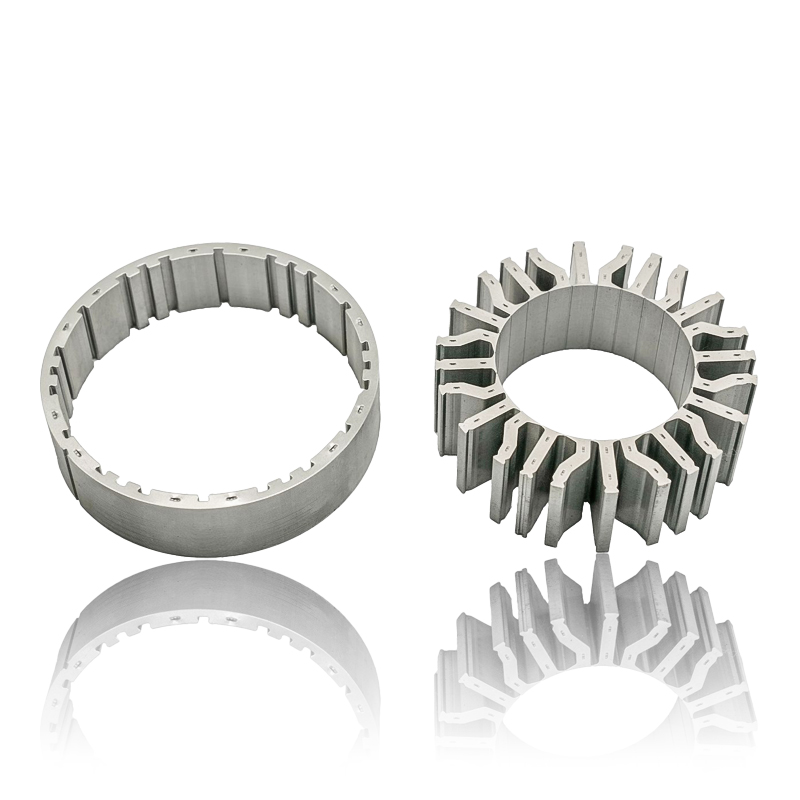
The Importance of Material Selection for Rotor and Stator Cores in Electric Vehicle Motors In the design of electric vehicle (EV) motors, material selection is a pivotal factor influencing the motor’s...
See Details -
Introduction of automotive motor stator and rotor cores The increasing popularity of electric vehicles and hybrid electric vehicles has brought about significant advancements in automotive technology....
See Details


Zhejiang Jufeng Technology Co., Ltd. © All rights reserved
