
 简体中文
 English
 русский
 Español

Home / News / Industry News / Motor Lamination Bonding: What a Quality Bond Means for Stator and Rotor Cores
Motor Lamination Bonding: What a Quality Bond Means for Stator and Rotor Cores
Jufeng Technology · Motor Core Engineering
The Quiet Discipline of Motor Lamination Bonding
Why the strength of a lamination bond, not the material alone, decides how a stator or rotor core behaves under speed, heat, and switching stress.
At 16,000 rpm, the laminations of an electric vehicle drive motor sit under continuous centrifugal and thermal stress, while high-frequency switching drives eddy-current losses into the core. The bond between those laminations is the difference between a core that holds its geometry for 200,000 km and one that loses dimensional stability long before the motor reaches end of life.
Motor lamination bonding is the stacking method that gives engineers mechanical rigidity and inter-laminar insulation at the same time. It has become the preferred route for high-speed, high-efficiency motors, and the decision is not about choosing the strongest glue. It is about understanding what the bond must preserve in the magnetic circuit, and how the process behaves across a production run.
What the bond really does
The bond has two jobs, and the second one is often forgotten
The first job is mechanical. The stack must stay rigid through winding, assembly, and years of vibration and temperature cycling. The adhesive shear strength and the uniformity of the bond line decide whether the stack delaminates under load.
The second job is electrical. Every lamination carries a thin insulating coating, and the bonding process must preserve it. If adjacent laminations make electrical contact, eddy currents spread across the stack, iron loss climbs, local temperatures rise, and the efficiency the design relied on quietly disappears. This is why methods that puncture, interlock, or weld the steel are counterproductive for high-frequency designs, no matter how cheap they are.
A strong lamination bond holds the stack together under torque and temperature while keeping the insulating layer intact. Fail either job, and the motor pays in loss, noise, or premature failure.
Stacking methods compared
Bonding versus interlocking, riveting, and laser welding
Interlocking is fast and inexpensive, but every notch creates a mechanical connection that also shorts the laminations electrically. Riveting adds clamping force, but punctures the steel. Laser welding produces a rigid seam, yet the heat-affected zone weakens the insulation near the weld and can distort thin laminations. Bonding avoids all three problems, at the cost of a tighter process window.
| Method | Axial strength | Insulation integrity | Main trade-off |
|---|---|---|---|
| Interlocking | Good | Compromised at notches | Low cost, but short-circuit paths between layers |
| Riveting | High | Damaged at rivet holes | Simple, yet lower space factor and weaker insulation |
| Laser welding | High | Heat-affected zone near welds | Rigid, but risky for very thin laminations |
| Adhesive bonding | Good after curing | Preserved across the surface | Stricter process control, best high-frequency behaviour |
For high-frequency motors, inter-laminar insulation is not a minor detail. Even a small increase in shorting shows up as higher iron loss and higher operating temperature, forcing the designer to accept lower performance or add cooling. Bonding keeps the door open for thin laminations, and thin laminations are what make modern high-speed motors practical.
From coating to cured stack
How a self-bonding lamination stack is made
Self-bonding laminations carry a heat-activated adhesive layer on the electrical steel. The process looks simple, but every step has a tolerance window that determines the quality of the finished core.
- Coating application. The adhesive is applied at a controlled thickness. Too thin weakens the bond; too thick lowers the space factor of the core.
- Stacking. Laminations are aligned in a fixture. Misaligned sheets create dimensional variation in the finished core.
- Heating and pressing. The stack is heated to activation temperature under pressure. Temperature uniformity matters more than peak temperature, because a cold spot will not cure.
- Cooling. The stack cools under controlled conditions so the adhesive reaches full strength without introducing internal stress.
- Inspection. Bond strength, stack height, and dimensional tolerances are verified before the core moves on.
On bond-line thickness
Most production cores run with a bond line between 2 and 8 μm. Too much pressure squeezes adhesive where it is not wanted; too little leaves voids. The window is narrow, which is why process control decides the final quality.
Acceptance criteria for bonded cores
What a quality bond looks like on the shop floor
Bonding quality cannot be judged by appearance alone. A uniform edge is a good sign, but the real evidence is in the measurements. These checks separate a reliable bonded core from a marginal one:
- Adhesive coverage. The coating must cover the full lamination surface, including corners and slot edges, where it tends to thin out during stamping.
- Squeeze-out behaviour. Controlled squeeze-out at the outer edge shows that pressure and temperature were in range. None at all can mean the adhesive never flowed; heavy squeeze-out contaminates tooling and starves the core of resin.
- Bond strength validation. Periodic peel or shear tests confirm that the curing process stays stable across a production run.
- Dimensional integrity. Stack height, parallelism, and end-face flatness are measured, because uneven pressure can introduce a slight taper.
The myth of zero squeeze-out
Some buyers treat any visible adhesive as a defect. In practice, a complete absence of squeeze-out is often the bigger warning: it suggests the stack never reached its intended compression or curing temperature.
Application-driven choices
Matching the bonding process to the application
Bonding is not one recipe. Coating chemistry, lamination thickness, and cure cycle all shift with the application. An electric vehicle drive motor needs very thin laminations and a bond that survives thermal cycling. A servo motor prioritises concentricity and low inertia. A home appliance motor focuses on cost efficiency at high volumes.
Electric vehicle drive motors
High speed and high switching frequency demand thin laminations, uniform bond lines, and a curing profile that does not affect the magnetic properties of the steel. A small drop in bond stability shows up as noise, vibration, and heat.
Servo motors
Precision torque control depends on consistent concentricity and balanced stacks. Bonding avoids the local stress points that welding and interlocking create, which helps the rotor stay balanced at speed.
Home appliance motors
For appliances, the best bond is the one that holds thousands of stacks inside a tight tolerance window at the lowest cost per part, which puts the emphasis on automated handling and repeatable curing.
The right supplier treats these as different products, not as one process with different labels. Across the stator and rotor core product range, the bonding specification should be re-validated for each geometry, material grade, and coating batch. If your motor design depends on a specific bond specification, a discussion with the manufacturer before tooling is committed often saves months of re-qualification later.
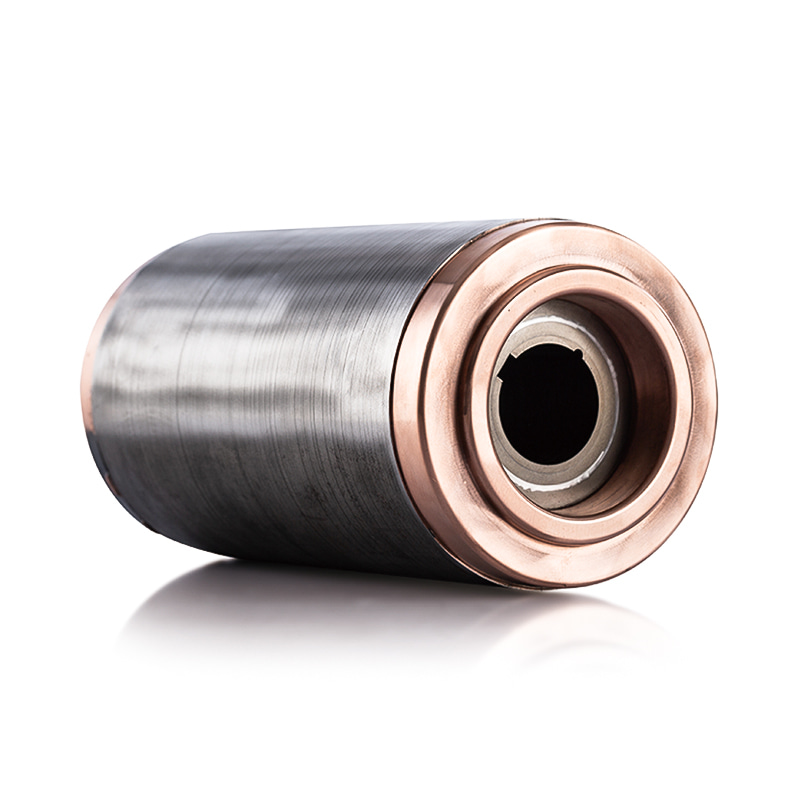
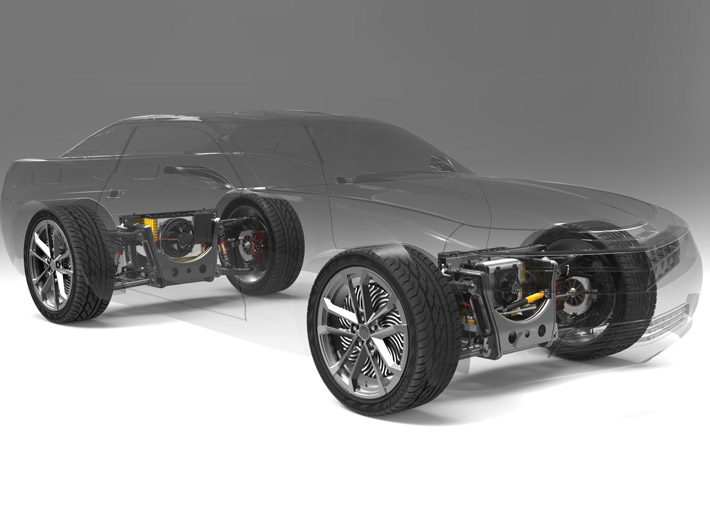 Electric Vehicle Drive Motor Stator and Rotor CoresExplore a range of bonded stator and rotor cores for EV propulsion, engineered for high flux density and precise lamination stacking.View Product →
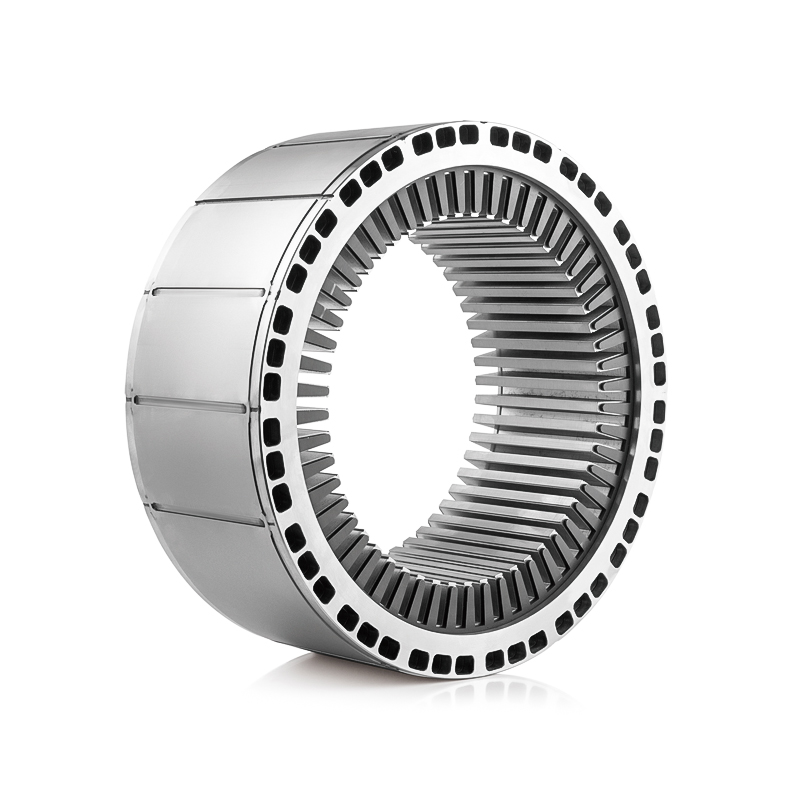
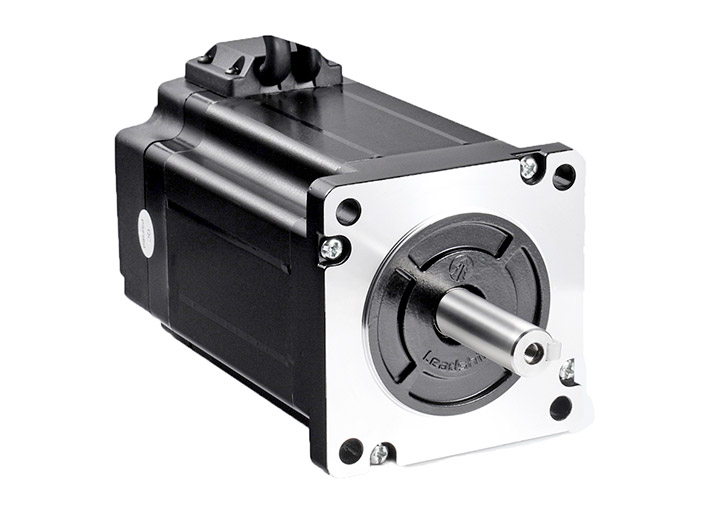 Servo Motor Stator and Rotor Core for Precision MotionA high-precision laminated core with tight tolerances and optimized slot shapes, built to reduce cogging torque in robotics and machinery.View Product →
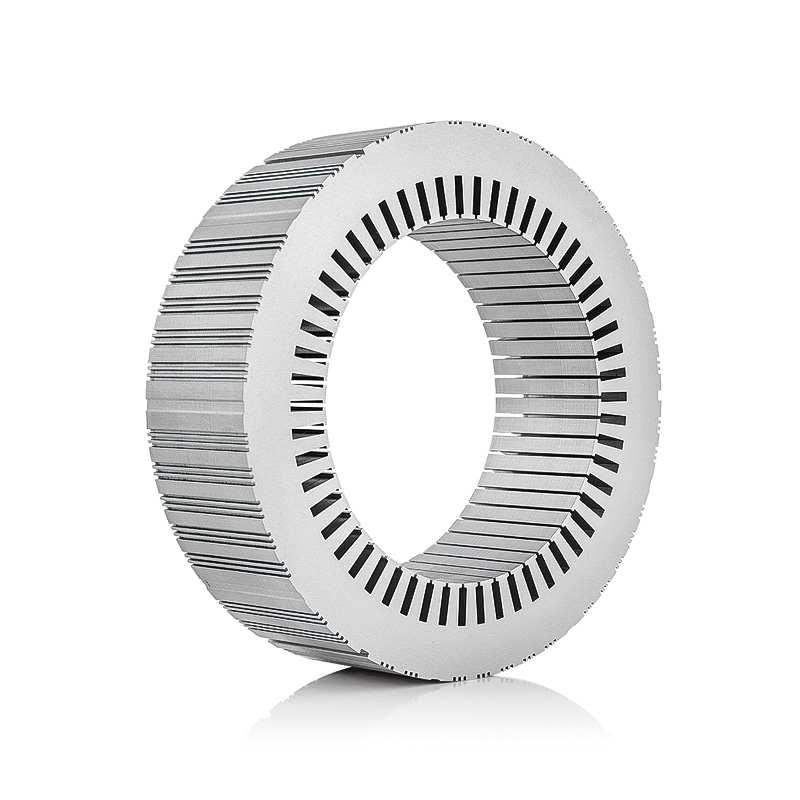
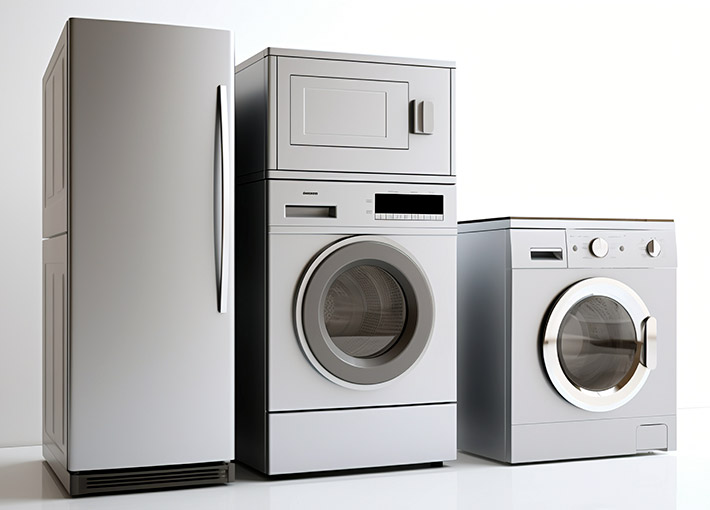 Home Appliance Motor Stator and Rotor CoresDependable laminated cores for washing machines, refrigerators, and fans, with low-loss steel and consistent bonding for quiet operation.View Product →
Supplier evaluation
Choosing a partner who can hold the process
Motor lamination bonding is a process-controlled technology. A supplier can own the right press, the right steel, and the right coating, and still fail on consistency if the curing profile is not monitored. A partner who runs stamping and bonding under one roof has a structural advantage, because the die, the coating, and the stacking sequence are linked from the first try-out. When evaluating a partner for bonded stator and rotor cores, look for four capabilities.
- In-house validation. Is the cure cycle documented, with temperature, pressure, and dwell time recorded per batch?
- Measurement depth. Does the quality lab test bond strength and insulation integrity, or only stack height?
- Tolerance ownership. Can the supplier hold the flatness, parallelism, and concentricity your winding and assembly process needs?
- Volume stability. Small samples hide process drift. Ask how bonding parameters are monitored across long production runs.
What good looks like
When a bonded core reaches serial production with stable stack height, clean edges, and repeatable bond strength across batches, the motor design can rely on it.
The conclusion is straightforward. Bonding earns its place in high-speed and high-efficiency motors because it preserves what other methods destroy: the insulation between layers. The bond must be strong enough to hold the stack together for the life of the motor, yet thin enough to leave the magnetic circuit uncompromised. Get that balance right, and the core becomes an invisible advantage. Get it wrong, and the motor will tell you, in loss, in noise, and in shortened service life.
Previous article
No more
next article
The Slinky Lamination Stator Core: Process, Benefits, and Supplier Guide
Related News
-
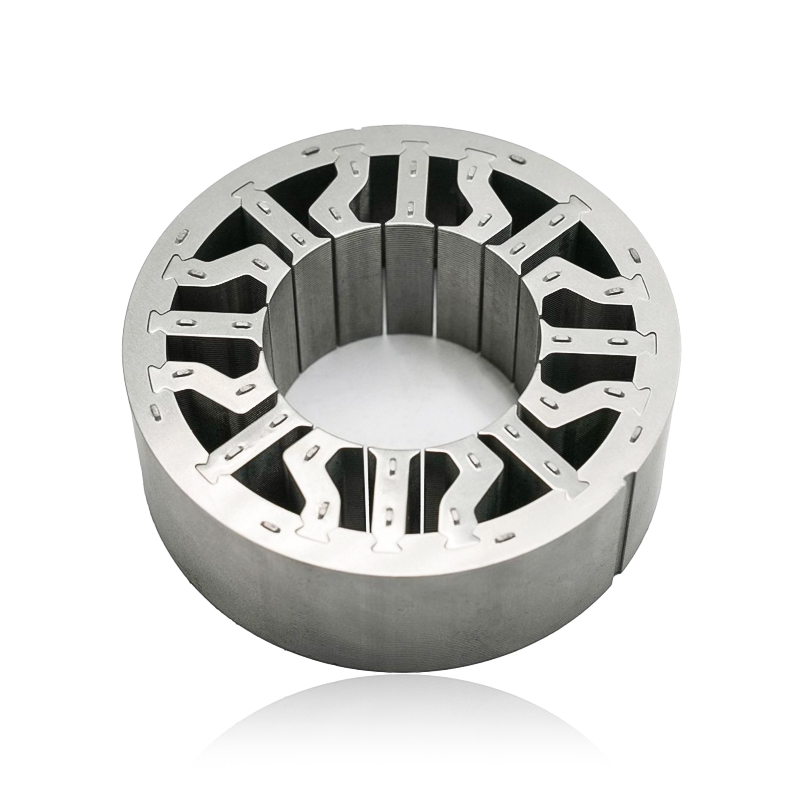
What are Stator and Rotor Cores? Stator Cores A stator core is the stationary component of an electric motor. It's the part that houses the copper windings, which, when an electric current passes thro...
See Details -
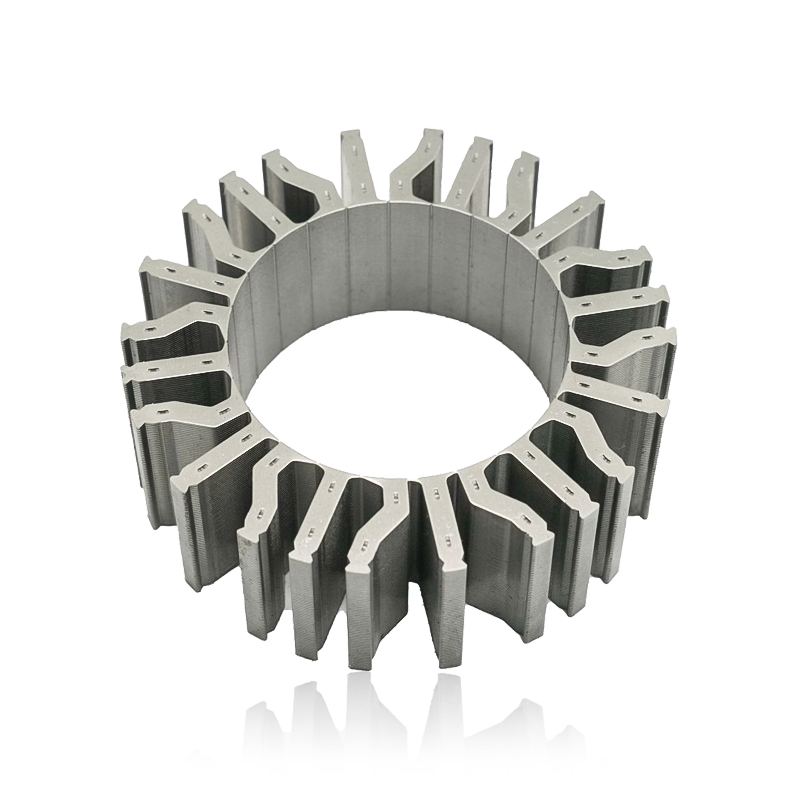
Introduction The modern automobile is a complex machine, and its evolution has been driven by continuous innovation in every component. While internal combustion engines have dominated the industry fo...
See Details -
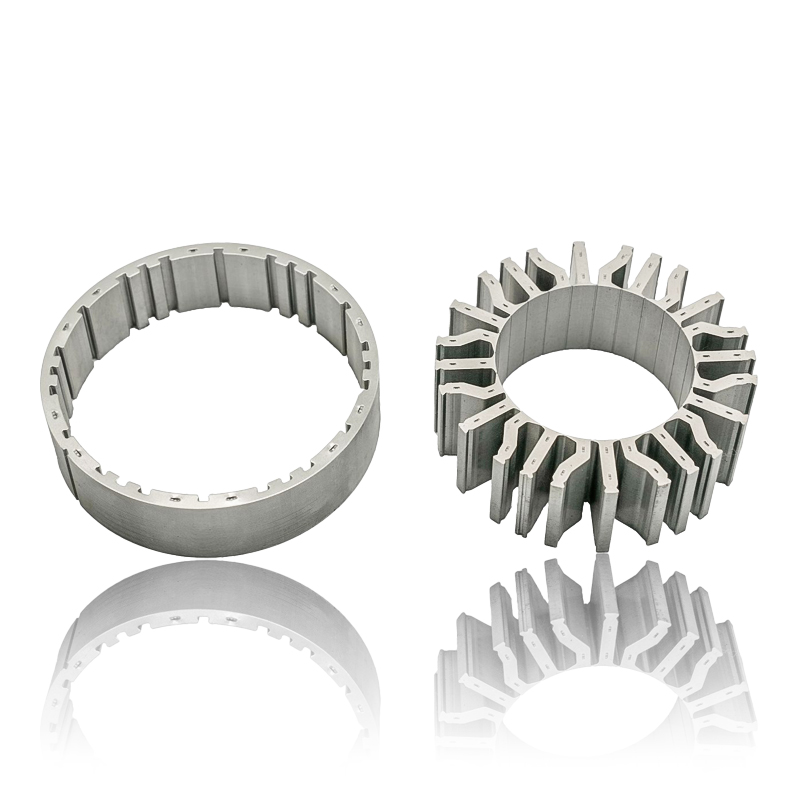
The Importance of Material Selection for Rotor and Stator Cores in Electric Vehicle Motors In the design of electric vehicle (EV) motors, material selection is a pivotal factor influencing the motor’s...
See Details -
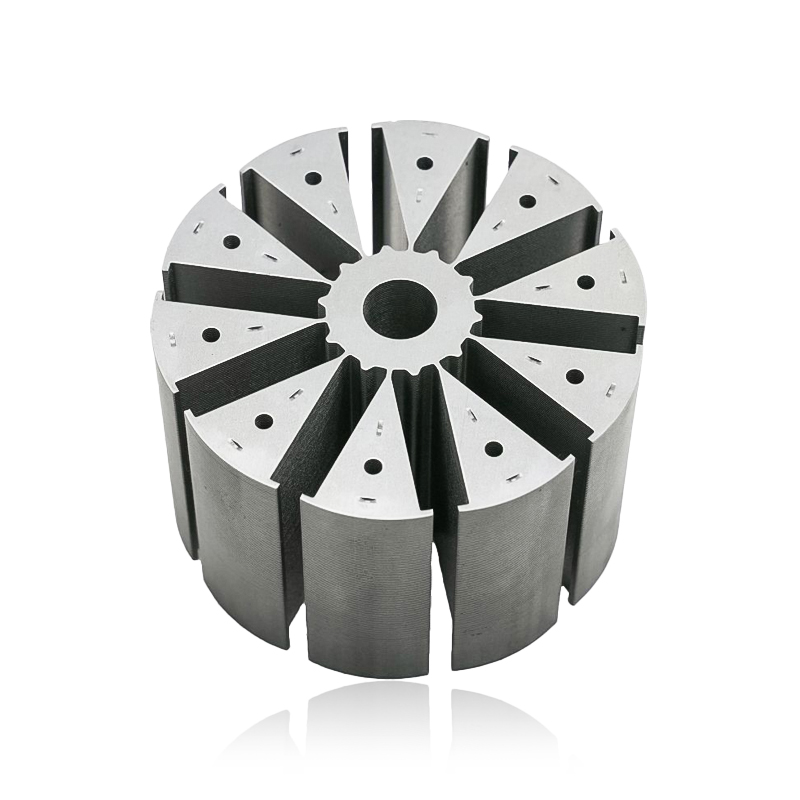
Introduction of automotive motor stator and rotor cores The increasing popularity of electric vehicles and hybrid electric vehicles has brought about significant advancements in automotive technology....
See Details


Zhejiang Jufeng Technology Co., Ltd. © All rights reserved
