
 简体中文
简体中文 English
 русский
 Español
Home / News / Industry News / How does an Automotive Motor Stator Core design influence the electromagnetic interference emitted by the motor?
How does an Automotive Motor Stator Core design influence the electromagnetic interference emitted by the motor?
Stator Core Design Significantly Influences EMI
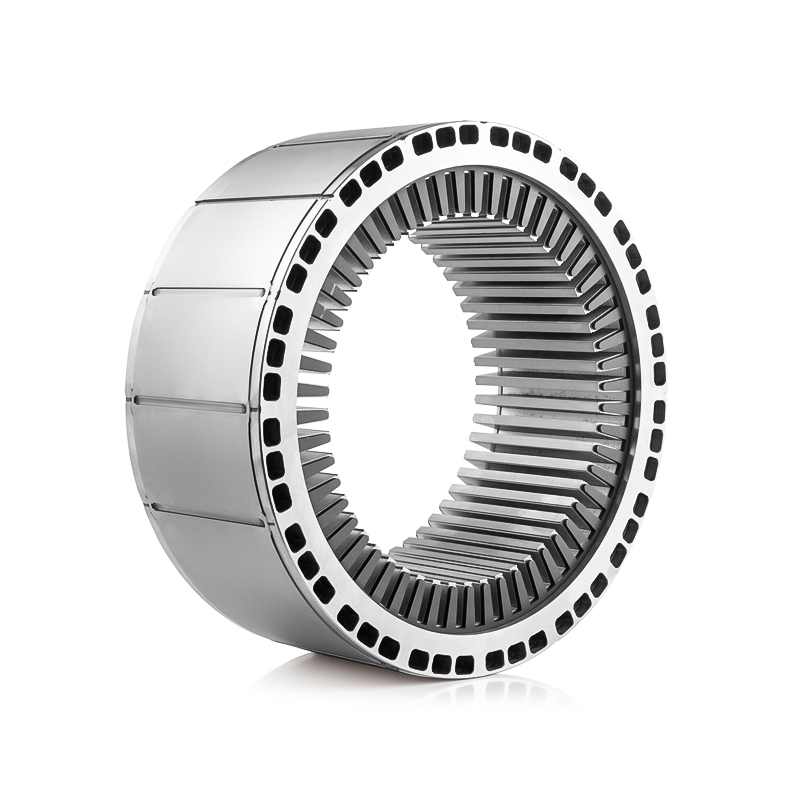
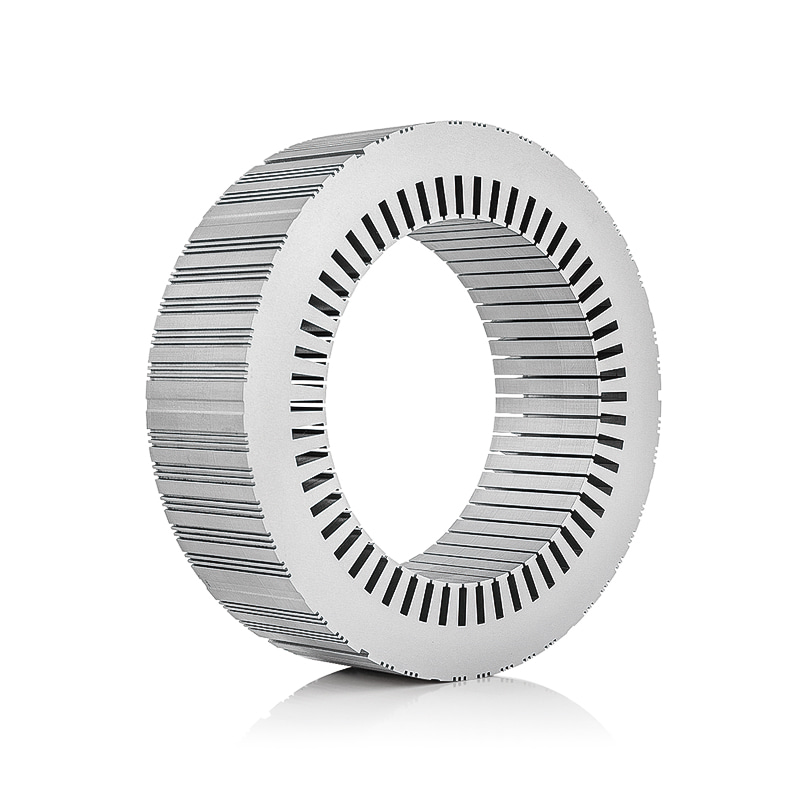
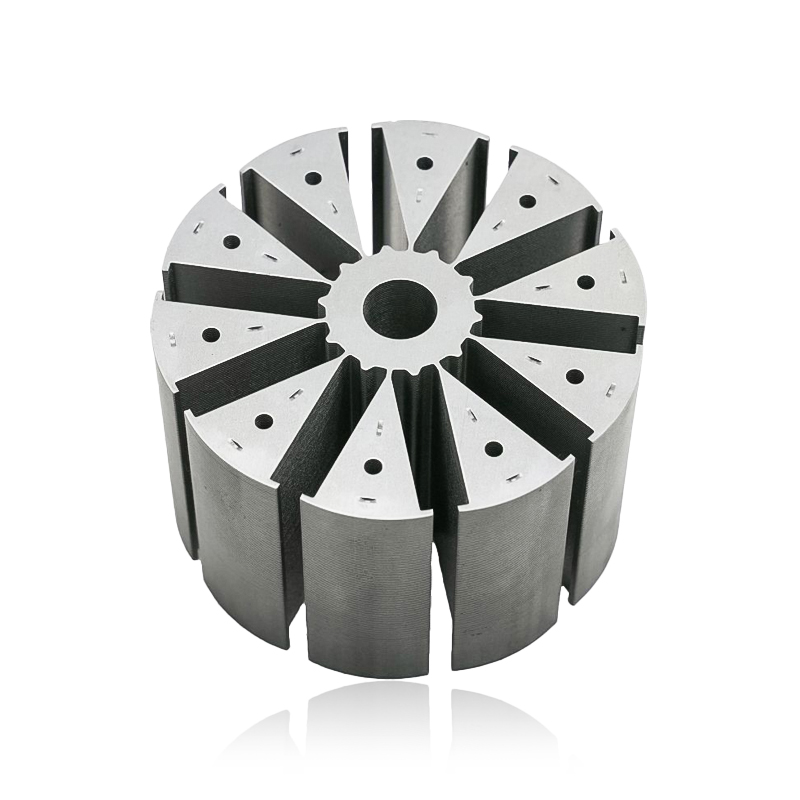
The design of an Automotive Motor Stator Core has a direct impact on the electromagnetic interference (EMI) emitted by the motor. Optimized lamination geometry, precise slot shapes, and accurate winding placement can reduce EMI by up to 30-40% in high-speed electric motors. Factors like air gaps, core material, and insulation integrity further determine EMI levels.
Lamination and Material Selection
The laminated steel structure of a stator core helps to reduce eddy currents, which are a major source of EMI. Choosing high-grade silicon steel with low hysteresis loss improves magnetic flux efficiency and reduces stray magnetic fields.
For example, a motor using 0.35 mm laminated silicon steel instead of 0.5 mm can decrease EMI emissions by nearly 20% due to reduced eddy current formation.
Slot Geometry and Winding Placement
The shape of the slots in the stator core directly affects the distribution of magnetic flux and, consequently, the EMI generated. Rectangular or skewed slots can reduce cogging torque and harmonics, which are key contributors to EMI.
Proper winding placement, with accurate pitch and uniform turns, further minimizes high-frequency noise. Studies show that optimizing winding pitch by 5-10% can lower radiated EMI by up to 15%.
Air Gap and Core Alignment
The air gap between the rotor and the stator core is critical for controlling magnetic flux density. Uneven or excessive gaps can create flux leakage and increase EMI.
Precision machining to maintain an air gap tolerance of ±0.02 mm is common in high-performance motors to minimize EMI without sacrificing torque output.
Shielding and Coatings
Applying conductive coatings or EMI shielding layers on the stator core can significantly reduce electromagnetic emissions. Materials like nickel-based or epoxy conductive coatings are often used in automotive motors.
A comparative study found that adding a 0.1 mm conductive coating on the stator core surface reduced radiated EMI by approximately 25% across the 150 kHz–1 MHz frequency range.
Thermal Effects and Insulation
High temperatures can degrade the insulation and increase leakage currents, amplifying EMI. Using Class H insulation instead of Class F can maintain electrical integrity at elevated temperatures.
Temperature monitoring and thermal simulations ensure the stator core operates within safe limits, which is critical for controlling EMI in high-speed applications exceeding 10,000 RPM.
Impact of Core Manufacturing Techniques
Different manufacturing methods, such as stamping versus laser cutting, influence the magnetic uniformity of the stator core. Laser cutting provides precise edges and reduces burrs, which decreases flux leakage and EMI.
For example, in a test with identical motors, cores produced with laser cutting exhibited 12% lower radiated EMI than stamped cores due to smoother flux paths.
Harmonic Reduction and EMI Mitigation
Harmonics generated by the stator core and winding configuration are a primary source of EMI. Techniques such as fractional-slot winding and skewed rotor/stator alignment reduce harmonic content and suppress EMI.
A motor using a 24-slot stator with fractional-slot winding produced 18% less EMI compared to a conventional full-pitch winding setup.
Summary and Best Practices
In summary, the Automotive Motor Stator Core design directly impacts EMI levels. Key factors include:
- Lamination thickness and high-quality silicon steel to reduce eddy currents
- Optimized slot geometry and winding placement to minimize harmonics
- Controlled air gap and precise core alignment to prevent flux leakage
- EMI shielding coatings to reduce radiated noise
- Thermal management and insulation to maintain electrical integrity
- Advanced manufacturing methods to enhance magnetic uniformity
Implementing these strategies can reduce EMI emissions by 30-40% while maintaining motor efficiency and performance, making them critical for modern automotive electric motors.
Previous article
How does the thickness of the laminations in an Automotive Motor Stator Core affect the motor's power output?
next article
How does the design of Automotive Motor Rotor Cores influence the efficiency of electric motors in vehicles?
Related News
-
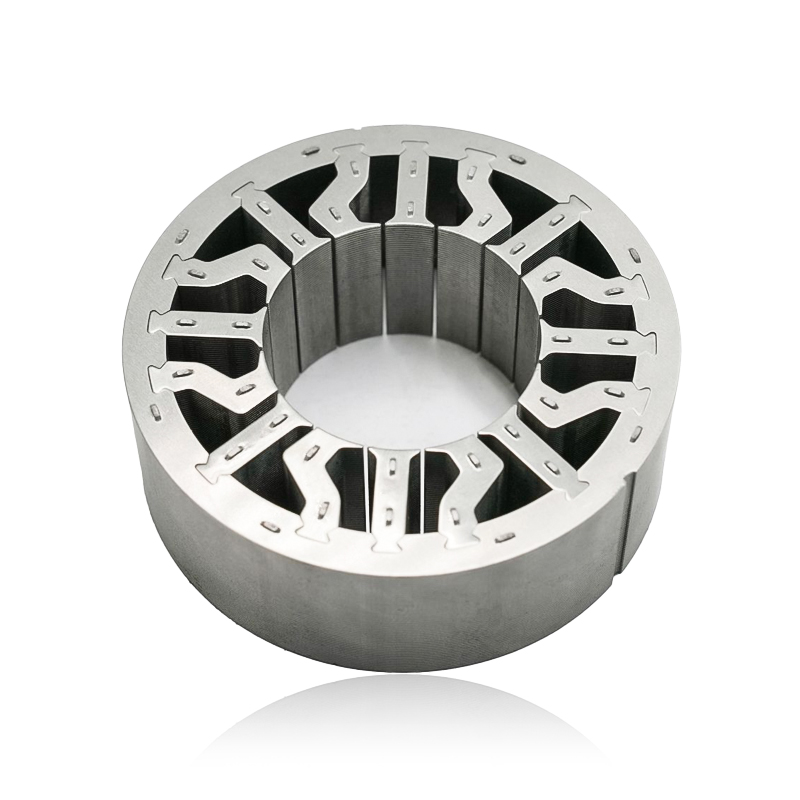
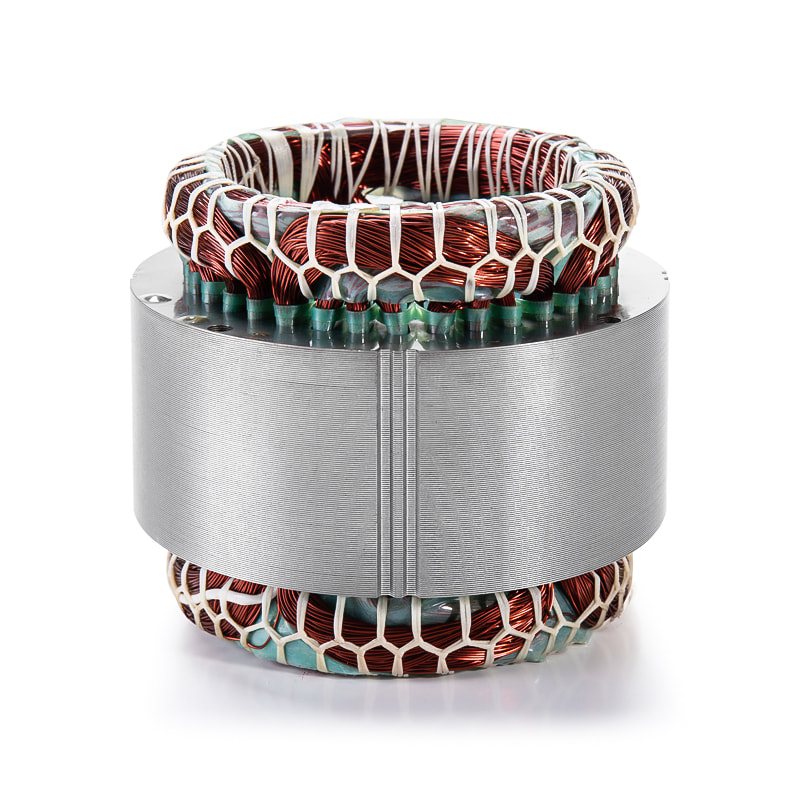
What are Stator and Rotor Cores? Stator Cores A stator core is the stationary component of an electric motor. It's the part that houses the copper windings, which, when an electric current passes thro...
See Details -
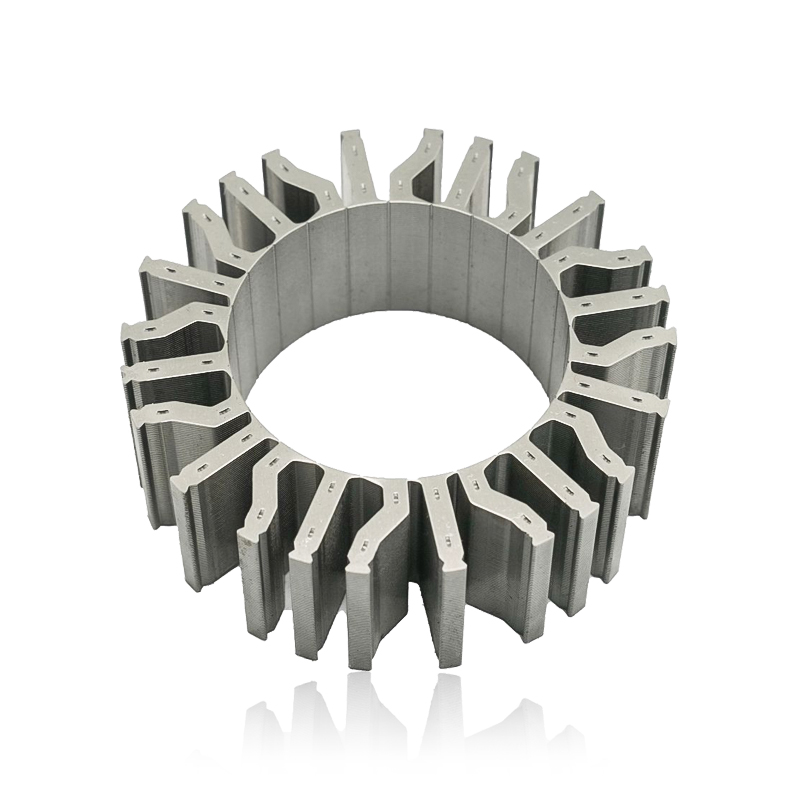
Introduction The modern automobile is a complex machine, and its evolution has been driven by continuous innovation in every component. While internal combustion engines have dominated the industry fo...
See Details -
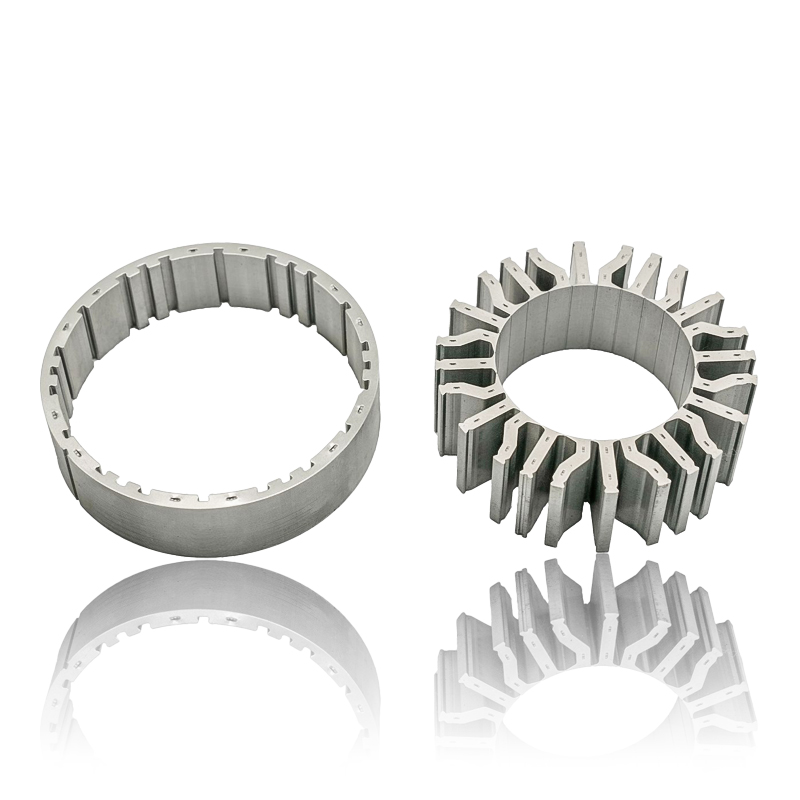
The Importance of Material Selection for Rotor and Stator Cores in Electric Vehicle Motors In the design of electric vehicle (EV) motors, material selection is a pivotal factor influencing the motor’s...
See Details -
Introduction of automotive motor stator and rotor cores The increasing popularity of electric vehicles and hybrid electric vehicles has brought about significant advancements in automotive technology....
See Details


Zhejiang Jufeng Technology Co., Ltd. © All rights reserved
