
 简体中文
简体中文 English
 русский
 Español
Home / News / Industry News / How does the design of Automotive Motor Rotor Cores influence the efficiency of electric motors in vehicles?
How does the design of Automotive Motor Rotor Cores influence the efficiency of electric motors in vehicles?
Design of Automotive Motor Rotor Cores Drives Efficiency
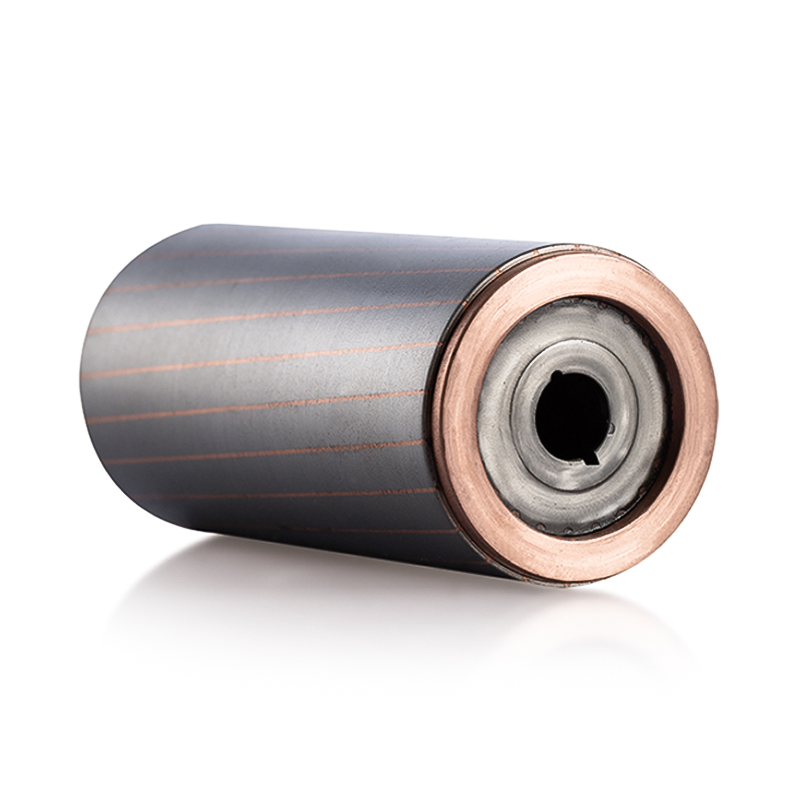
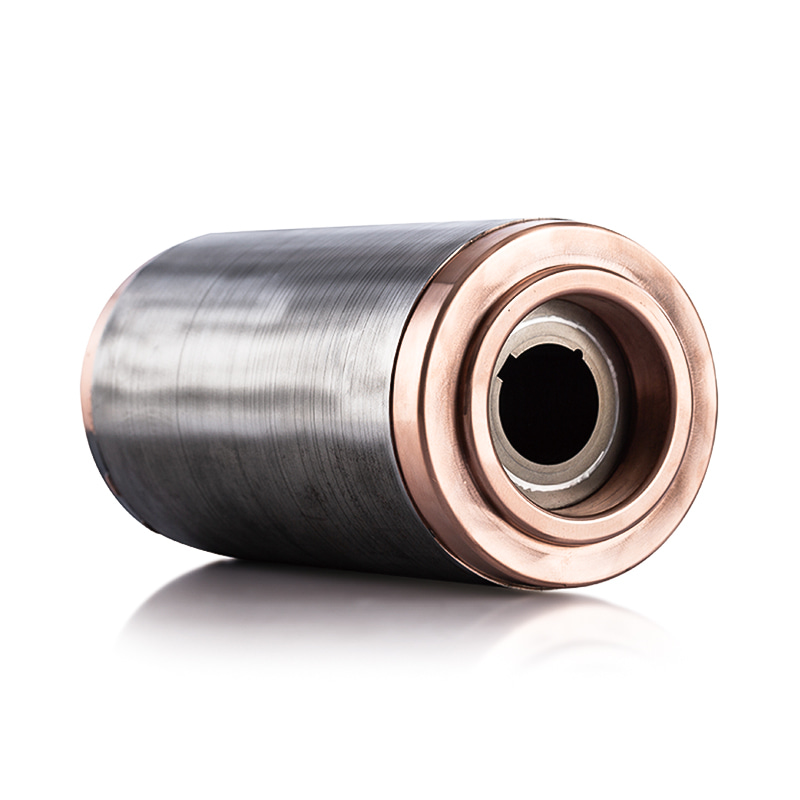
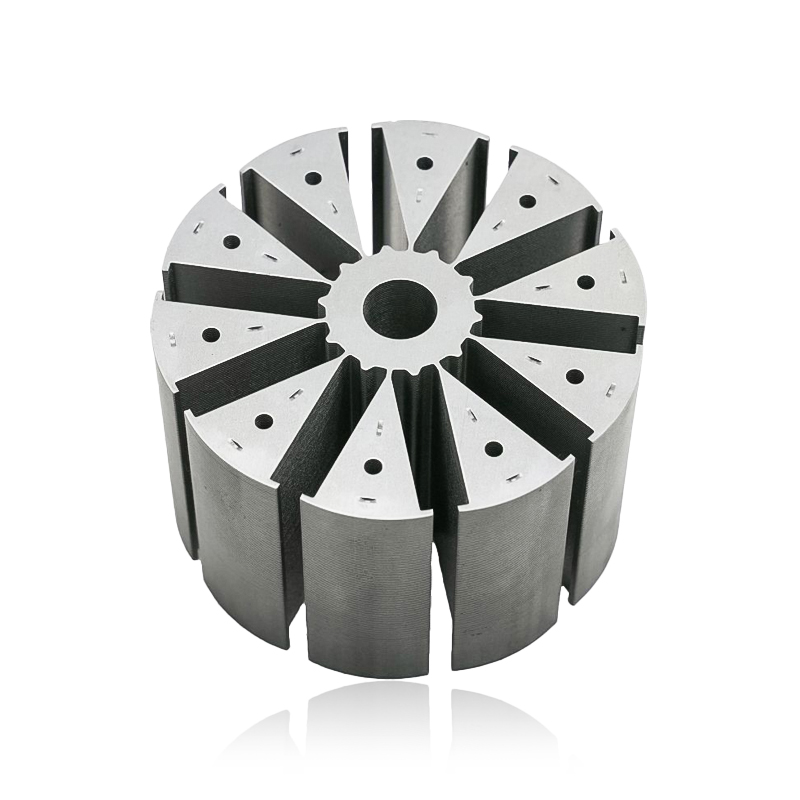
The design of Automotive Motor Rotor Cores directly determines the efficiency of electric motors in vehicles. Optimized rotor geometry, high-quality magnetic materials, and precise lamination reduce energy losses, improve torque output, and lower thermal buildup, resulting in up to 8-12% higher motor efficiency in modern electric vehicles compared to non-optimized designs.
Rotor Core Materials and Magnetic Properties
The selection of materials for Automotive Motor Rotor Cores is crucial. High-grade silicon steel or advanced laminated soft magnetic composites reduce hysteresis and eddy current losses. For example, using 0.35mm silicon steel laminations instead of 0.5mm can reduce core losses by approximately 20%, directly impacting energy efficiency.
Magnetic permeability and saturation levels define how efficiently the rotor can handle magnetic flux. Rotors with higher saturation flux densities allow motors to achieve greater torque without overcurrent, which is essential for both performance and energy conservation.
Lamination Design and Energy Loss Reduction
Lamination thickness and stacking techniques in Automotive Motor Rotor Cores play a key role in minimizing eddy current losses. Thinner laminations reduce circulating currents that waste energy as heat. For instance, reducing lamination thickness from 0.5mm to 0.35mm can cut eddy current loss by nearly 18-22% under standard operating conditions.
Moreover, high-precision stamping or laser-cut laminations ensure uniform flux distribution, minimizing localized hotspots that can degrade performance over time.
Rotor Geometry and Torque Optimization
The geometry of Automotive Motor Rotor Cores affects the torque ripple, inductance, and overall motor efficiency. Skewed rotor slots or optimized pole shapes help reduce cogging torque, which smooths motor rotation and lowers energy losses by up to 5-7%.
Finite element analysis (FEA) is commonly used to simulate rotor designs, allowing engineers to test different configurations virtually before mass production, ensuring maximum efficiency in real-world driving conditions.
Thermal Management and Rotor Efficiency
Efficient Automotive Motor Rotor Cores also enhance thermal management. Rotors with lower core losses generate less heat, reducing cooling system demands. For high-performance EVs, maintaining rotor temperature below 120°C ensures stable magnetic properties and prevents efficiency drop.
Some advanced designs incorporate thermally conductive insulation or optimized airflow channels within the rotor core stack to further dissipate heat, maintaining high efficiency under prolonged operation.
Impact of Manufacturing Tolerances
Tolerances in Automotive Motor Rotor Cores directly affect motor balance and vibration. Misaligned laminations or uneven stacking can cause uneven magnetic flux, leading to increased torque ripple, mechanical vibration, and efficiency loss of up to 3-4%.
High-precision laser cutting, robotic stacking, and automated inspection are used to ensure that all rotor cores meet stringent dimensional and magnetic specifications.
Comparative Performance Table of Rotor Core Designs
| Rotor Core Type | Lamination Thickness | Efficiency Gain | Thermal Stability |
|---|---|---|---|
| Stamped Silicon Steel | 0.35 mm | +10% | High |
| Sintered Soft Magnetic Composite | 0.50 mm equivalent | +6% | Medium |
| Traditional Laminated Steel | 0.50 mm | Baseline | Low |
Optimizing Automotive Motor Rotor Cores through material selection, lamination precision, rotor geometry, and thermal management can significantly enhance motor efficiency, reduce energy consumption, and improve EV performance. Engineers should prioritize thin laminated silicon steel or soft magnetic composites, implement skewed rotor slot designs, and maintain strict manufacturing tolerances to achieve measurable gains in efficiency and reliability.
By applying these design principles, electric vehicles can achieve longer range, lower heat generation, and smoother operation, directly benefiting both manufacturers and end-users in terms of performance, maintenance, and overall driving experience.
Previous article
How does an Automotive Motor Stator Core design influence the electromagnetic interference emitted by the motor?
next article
How do Automotive Motor Stator Cores perform under thermal cycling, vibration, and long-term operational stress in automotive environments?
Related News
-
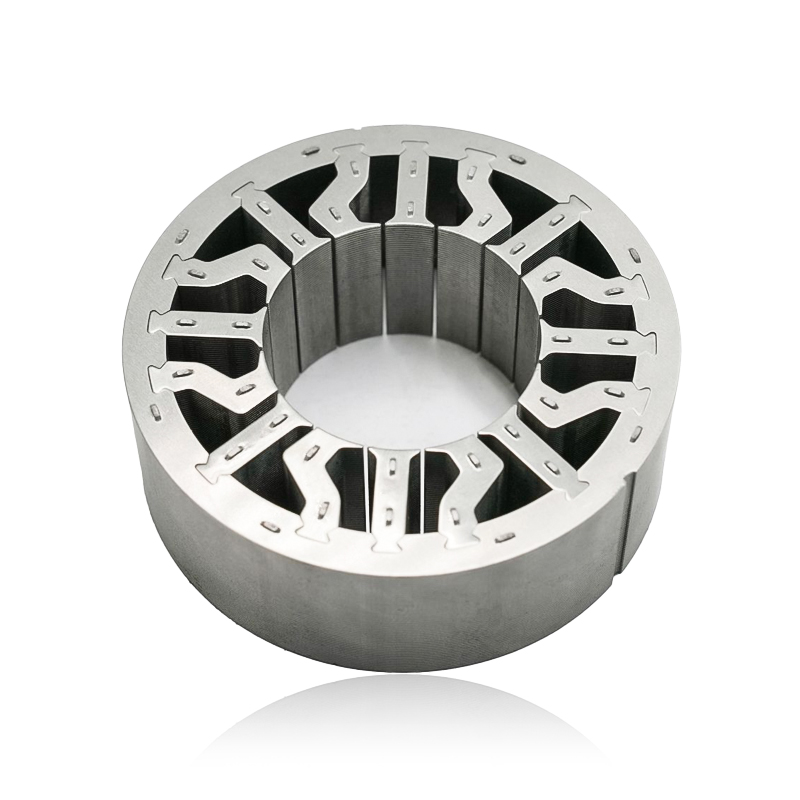
What are Stator and Rotor Cores? Stator Cores A stator core is the stationary component of an electric motor. It's the part that houses the copper windings, which, when an electric current passes thro...
See Details -
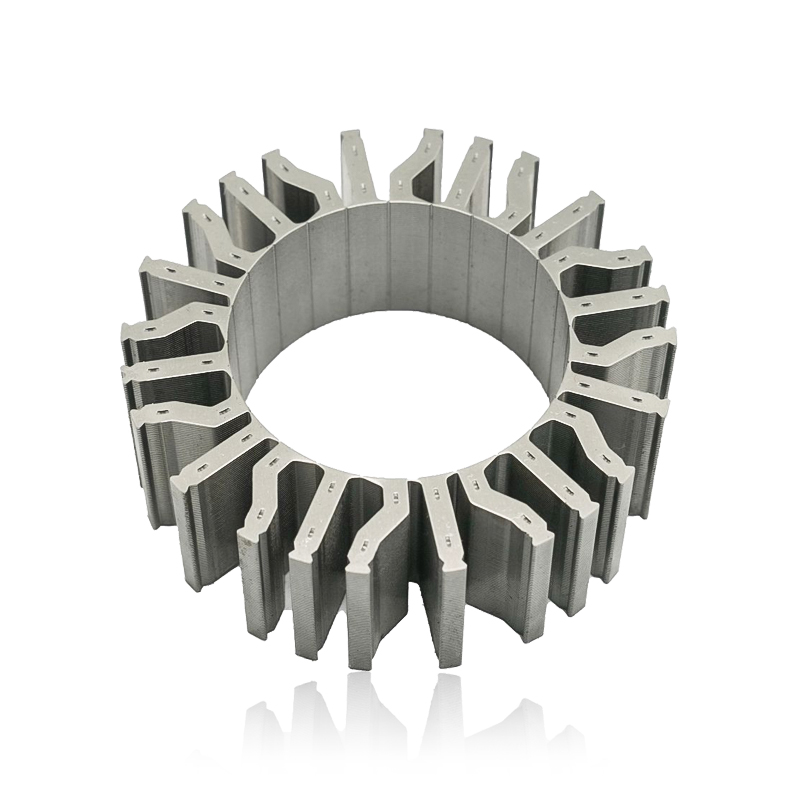
Introduction The modern automobile is a complex machine, and its evolution has been driven by continuous innovation in every component. While internal combustion engines have dominated the industry fo...
See Details -
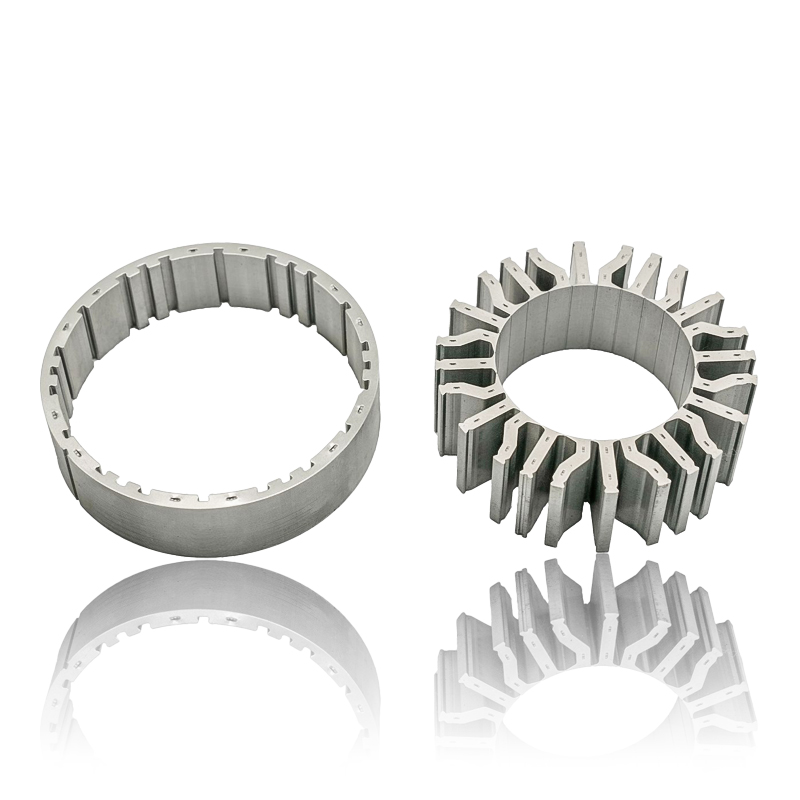
The Importance of Material Selection for Rotor and Stator Cores in Electric Vehicle Motors In the design of electric vehicle (EV) motors, material selection is a pivotal factor influencing the motor’s...
See Details -
Introduction of automotive motor stator and rotor cores The increasing popularity of electric vehicles and hybrid electric vehicles has brought about significant advancements in automotive technology....
See Details


Zhejiang Jufeng Technology Co., Ltd. © All rights reserved
