
 简体中文
简体中文 English
 русский
 Español
Home / News / Industry News / How does the thickness of the laminations in an Automotive Motor Stator Core affect the motor's power output?
How does the thickness of the laminations in an Automotive Motor Stator Core affect the motor's power output?
The Impact of Lamination Thickness on Power Output
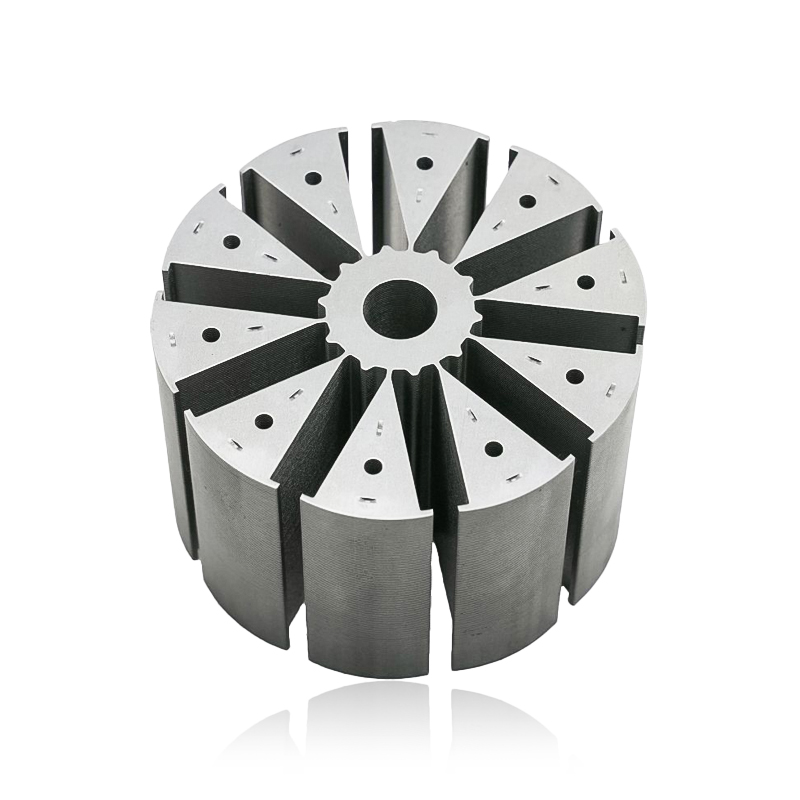
The thickness of laminations in an Automotive Motor Stator Core directly affects the motor’s power output, efficiency, and the minimization of energy losses. Thinner laminations generally reduce eddy current losses and improve the efficiency of the motor, resulting in higher power output. However, reducing lamination thickness too much can lead to structural and manufacturing challenges, such as increased mechanical stresses and a more complex manufacturing process. Therefore, an optimal balance must be found for optimal performance.
The Role of Eddy Currents in Power Loss
In electric motors, eddy currents are loops of electrical current induced within the stator core due to the changing magnetic field. These currents cause energy loss in the form of heat. By reducing the thickness of the laminations, the motor can limit the paths for eddy currents to flow, thereby reducing this energy loss. This reduction leads to better energy efficiency, which is essential for electric vehicles aiming to maximize range and performance.
Optimizing Lamination Thickness for Efficiency
The key to optimizing the performance of an Automotive Motor Stator Core lies in selecting the appropriate lamination thickness. Thinner laminations lead to less energy loss through eddy currents. However, the lamination must still be thick enough to maintain the core’s mechanical integrity and structural strength. Typically, the laminations are made from electrical steel, which is thin and laminated in layers to create a robust core structure while minimizing resistance and energy loss. The material's magnetic properties must also be considered when choosing the lamination thickness.
Balancing Lamination Thickness and Mechanical Integrity
While thinner laminations are beneficial for reducing eddy current losses, overly thin laminations may compromise the Automotive Motor Stator Core's mechanical integrity. The stator must withstand the physical forces generated during motor operation. If the laminations are too thin, the core may not provide the required strength and durability, leading to potential mechanical failures. Manufacturers must strike a balance between lamination thickness and the material's ability to withstand mechanical stresses.
Impact on Motor Efficiency and Power Output
Motor efficiency is heavily dependent on the amount of energy lost in the stator core. Thicker laminations tend to increase the resistance to magnetic flux, leading to higher eddy current losses. On the other hand, thinner laminations result in less resistance and reduced energy loss, which increases efficiency. The power output of the motor is directly tied to its efficiency. More efficient motors deliver better performance, with reduced heat generation and greater longevity. For example, a stator with a thinner lamination core can achieve higher power output at lower energy consumption, providing a significant advantage for electric vehicle performance.
Examples of Optimal Lamination Thickness in Automotive Motors
Industry experts suggest that a typical lamination thickness for an Automotive Motor Stator Core ranges from 0.2 mm to 0.35 mm, depending on the specific motor design and the desired power characteristics. For high-performance motors, thinner laminations of around 0.2 mm are common, as they provide better efficiency and lower losses. In contrast, for motors that prioritize structural integrity or have higher mechanical loads, slightly thicker laminations may be preferred to ensure durability without sacrificing too much in terms of power output.
Manufacturing Considerations for Thinner Laminations
While thinner laminations offer significant performance advantages, their manufacturing process is more complex. As the thickness decreases, the precision required in cutting and laminating the steel sheets increases. Additionally, thinner laminations can be more prone to damage or warping, which could affect the motor's overall efficiency and reliability. To mitigate these challenges, manufacturers use advanced coating techniques, such as insulation coatings, to protect the laminations and maintain high performance throughout the motor's lifetime.
Material Selection for Laminations
The material used for the laminations in an Automotive Motor Stator Core plays a crucial role in reducing eddy current losses. Electrical steel, particularly silicon steel, is the most commonly used material for laminations because of its excellent magnetic properties. The presence of silicon in the steel helps increase its resistivity, further reducing eddy current losses. The higher the resistivity of the material, the less heat is generated during operation, contributing to better efficiency and performance.
The thickness of the laminations in an Automotive Motor Stator Core plays a pivotal role in the overall efficiency, power output, and longevity of the motor. Thinner laminations reduce eddy current losses and improve energy efficiency, leading to enhanced motor performance. However, finding the optimal lamination thickness is crucial to ensure a balance between efficiency, mechanical strength, and durability. Through careful material selection and advanced manufacturing techniques, it is possible to achieve optimal performance and power output in modern electric vehicle motors.
| Lamination Thickness (mm) | Eddy Current Losses (%) | Motor Efficiency (%) | Power Output (kW) |
|---|---|---|---|
| 0.35 | 8 | 92 | 50 |
| 0.25 |
Previous article
What role does insulation between laminations play in Motor Stator and Rotor Cores?
next article
How does an Automotive Motor Stator Core design influence the electromagnetic interference emitted by the motor?
Related News
-
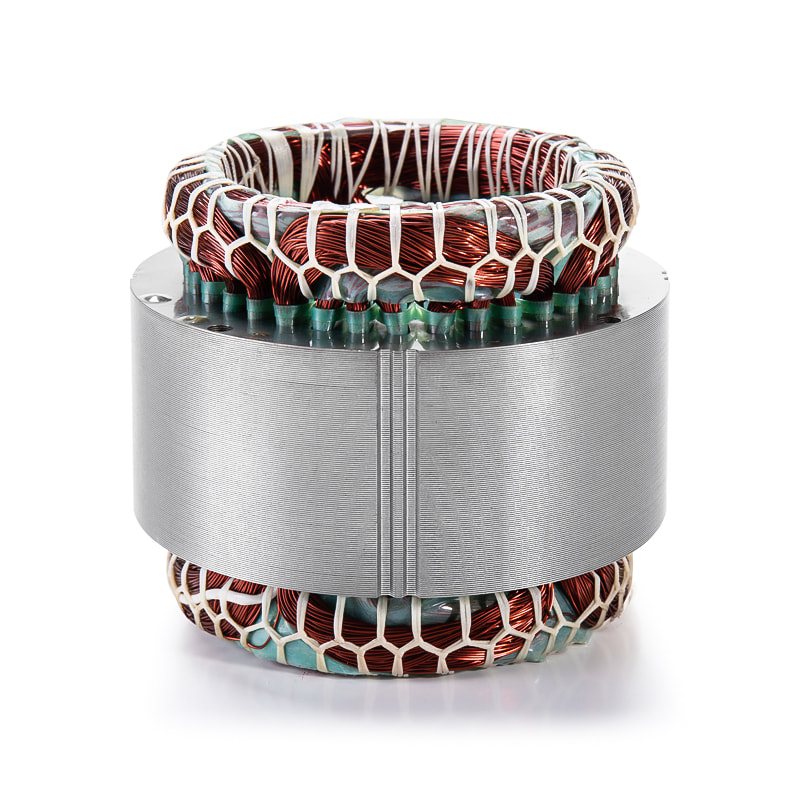
What are Stator and Rotor Cores? Stator Cores A stator core is the stationary component of an electric motor. It's the part that houses the copper windings, which, when an electric current passes thro...
See Details -
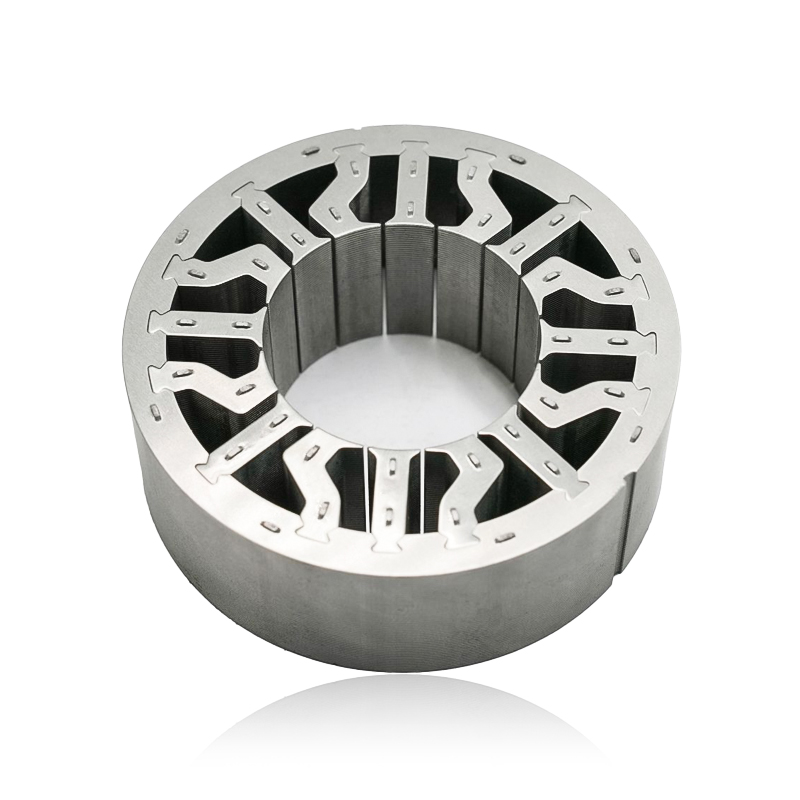
Introduction The modern automobile is a complex machine, and its evolution has been driven by continuous innovation in every component. While internal combustion engines have dominated the industry fo...
See Details -
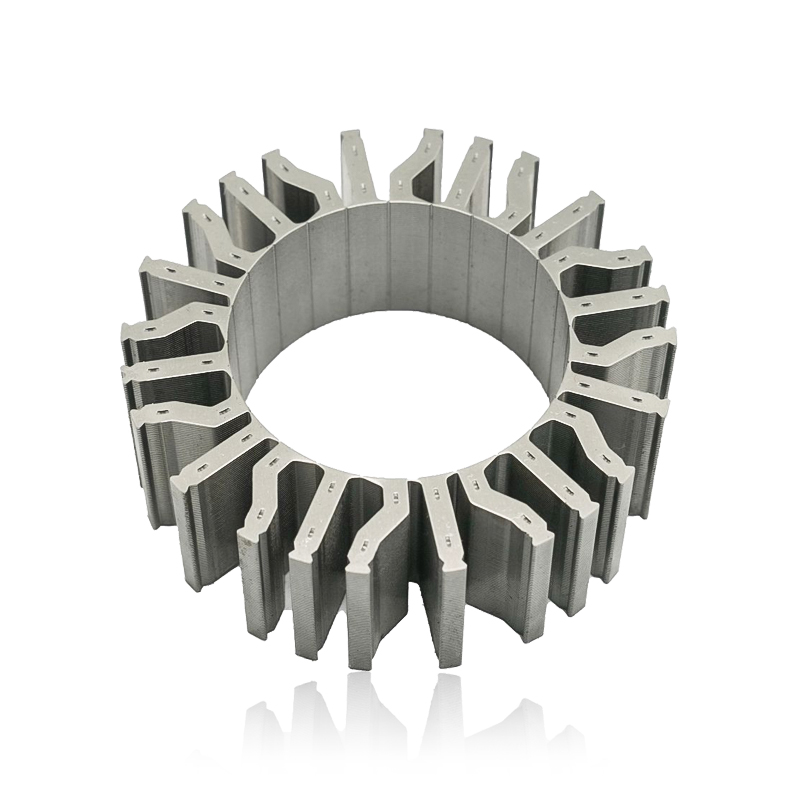
The Importance of Material Selection for Rotor and Stator Cores in Electric Vehicle Motors In the design of electric vehicle (EV) motors, material selection is a pivotal factor influencing the motor’s...
See Details -
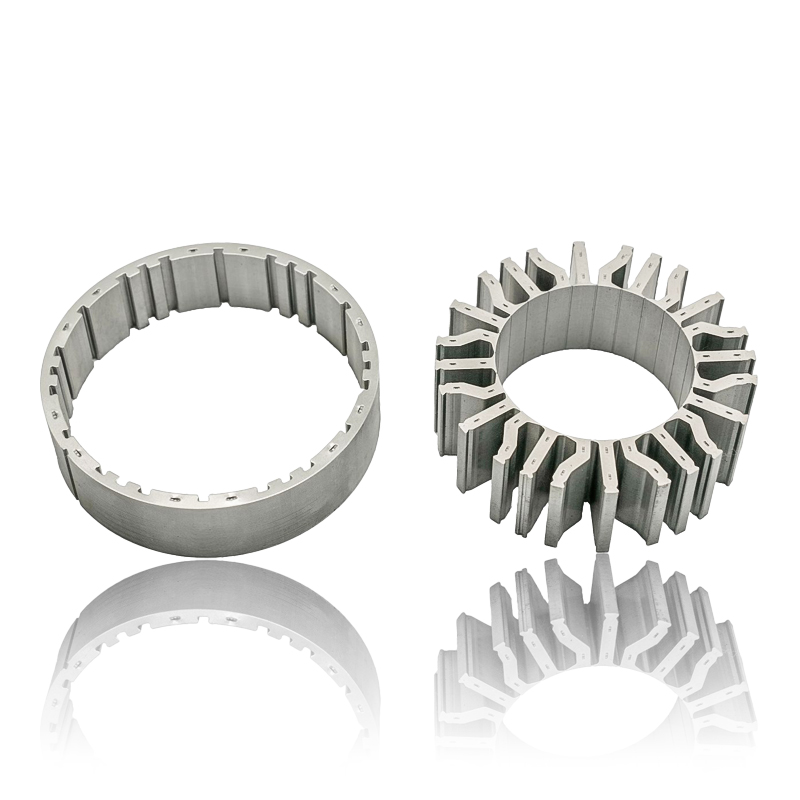
Introduction of automotive motor stator and rotor cores The increasing popularity of electric vehicles and hybrid electric vehicles has brought about significant advancements in automotive technology....
See Details


Zhejiang Jufeng Technology Co., Ltd. © All rights reserved
