
 简体中文
简体中文 English
 русский
 Español
Home / News / Industry News / What role does insulation between laminations play in Motor Stator and Rotor Cores?
What role does insulation between laminations play in Motor Stator and Rotor Cores?
The Role of Lamination Insulation
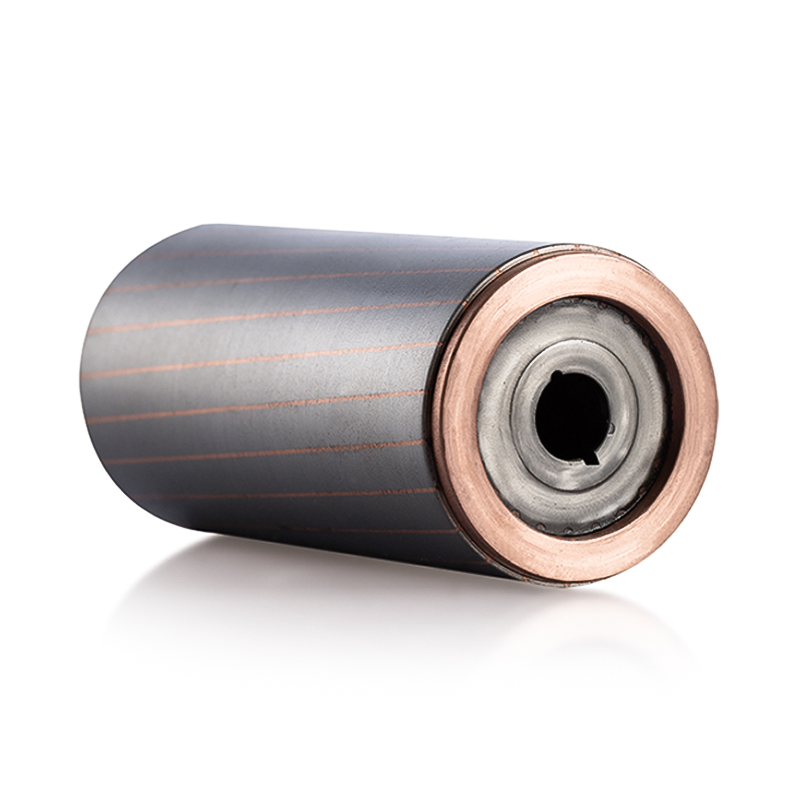
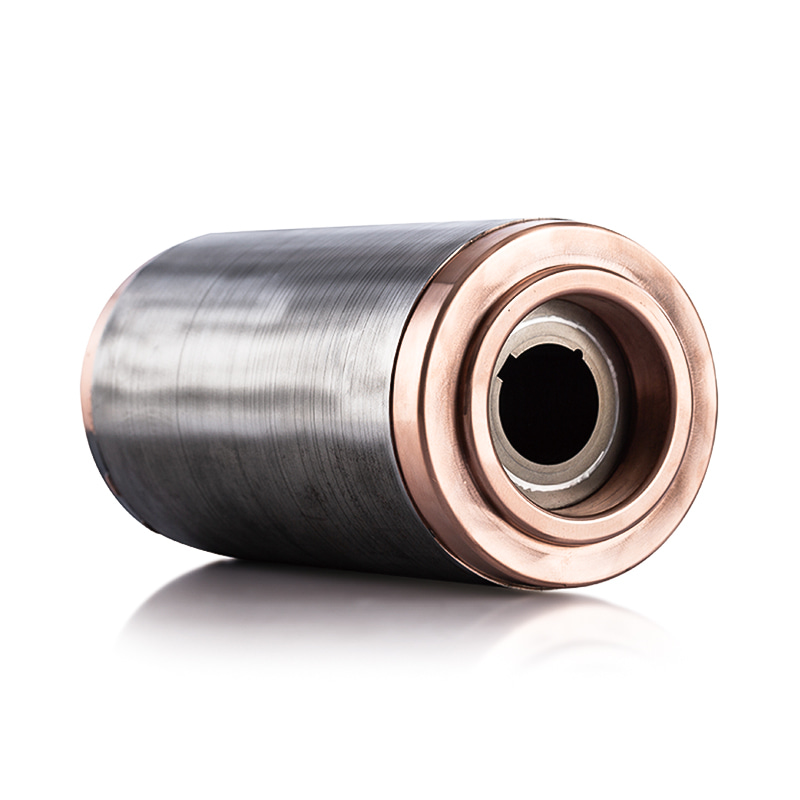
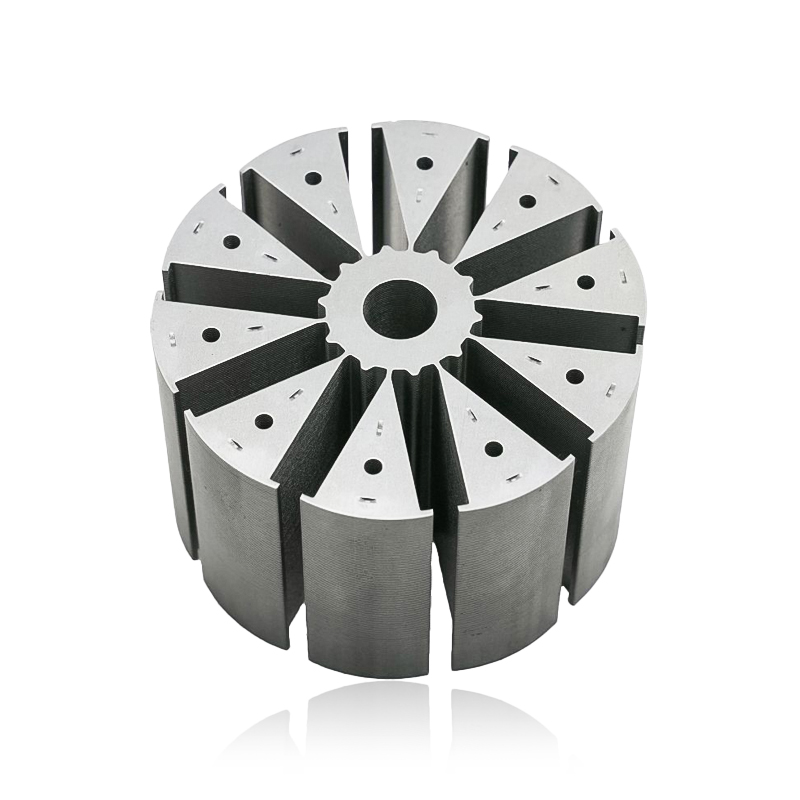
In Motor Stator and Rotor Cores, insulation between laminations plays a critical role in reducing eddy current losses, improving energy efficiency, minimizing heat generation, and ensuring stable electromagnetic performance. By electrically isolating each thin steel lamination, the insulation forces current to flow in smaller loops rather than large circulating paths, thereby significantly reducing energy dissipation. In practical terms, this can reduce core losses by 20%–50% compared to non-laminated or poorly insulated cores, directly improving motor efficiency and lifespan.
Understanding Eddy Currents in Motor Cores
Eddy currents are circulating currents induced within conductive materials when exposed to changing magnetic fields. In Motor Stator and Rotor Cores, these currents are unavoidable due to alternating magnetic flux. However, without proper insulation, these currents can become large and cause substantial energy losses in the form of heat.
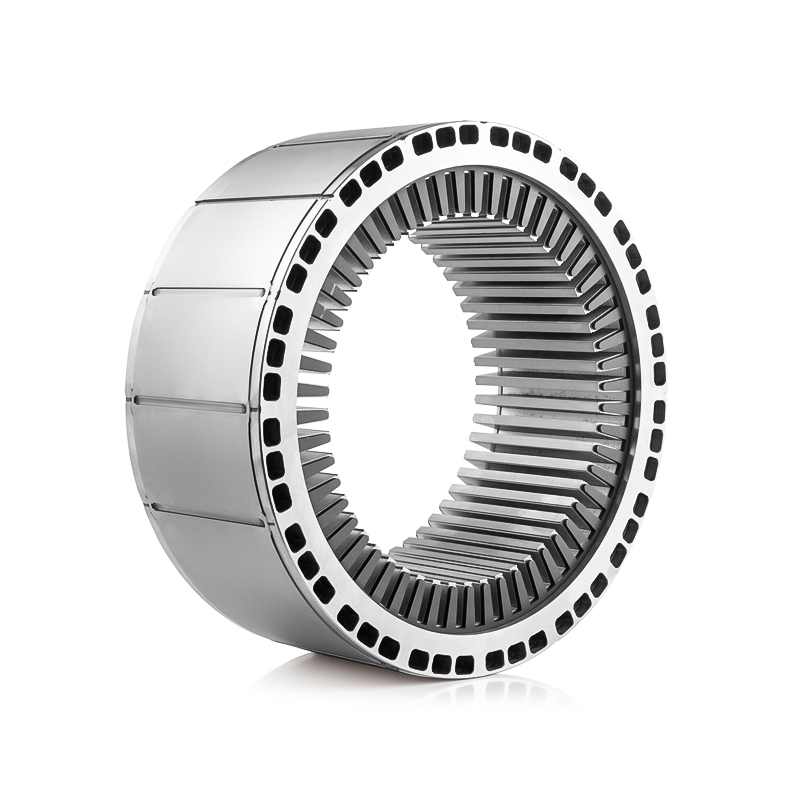
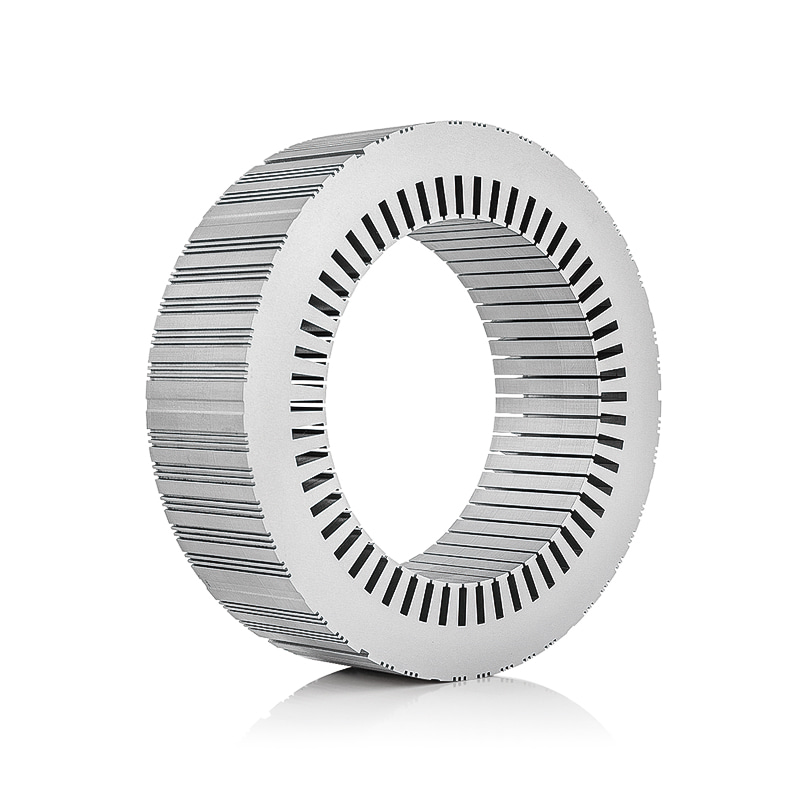
Laminations are typically made from thin sheets of electrical steel, often ranging from 0.2 mm to 0.5 mm thickness. Each sheet is coated with an insulating layer, which restricts the flow of eddy currents to within individual laminations. This significantly increases the resistance to current flow across the stack, thereby reducing losses.
How Lamination Insulation Reduces Energy Losses
The insulation between laminations increases electrical resistance perpendicular to the magnetic flux direction. This design minimizes the formation of large eddy current loops. As a result:
- Eddy current paths are fragmented into smaller loops
- Heat generation is significantly reduced
- Overall core efficiency improves
For example, in high-speed motors operating above 1,000 Hz, core losses can increase dramatically if insulation is inadequate. Proper lamination insulation ensures that losses remain manageable even at higher frequencies.
Types of Insulation Coatings Used
Several types of insulation coatings are applied to laminations in Motor Stator and Rotor Cores. These coatings are selected based on thermal requirements, voltage levels, and manufacturing processes.
| Coating Type | Thermal Resistance | Typical Application |
|---|---|---|
| Organic Coatings | Up to 150°C | General-purpose motors |
| Inorganic Coatings | Up to 500°C | High-temperature applications |
| Hybrid Coatings | Up to 300°C | Industrial and automotive motors |
Impact on Thermal Management
Effective insulation between laminations helps reduce heat generation caused by eddy currents. Lower heat buildup improves thermal stability and prevents insulation degradation in windings and surrounding components.
In high-performance motors, maintaining a temperature increase below 40°C–60°C above ambient is often critical. Poor lamination insulation can lead to localized hot spots, accelerating insulation aging and reducing motor reliability.
Mechanical and Structural Benefits
Beyond electrical performance, insulation coatings also contribute to mechanical integrity in Motor Stator and Rotor Cores. The coating acts as a bonding layer between laminations, helping maintain alignment and reducing vibration.
- Improves stack rigidity during operation
- Reduces lamination movement and noise
- Enhances resistance to mechanical stress
In high-speed applications exceeding 10,000 RPM, vibration control becomes essential. Proper insulation contributes indirectly by stabilizing the lamination stack and preventing micro-movements.
Influence on Motor Efficiency and Performance
The efficiency of Motor Stator and Rotor Cores is directly influenced by core losses, which include hysteresis and eddy current losses. Insulation primarily addresses eddy current losses, which can account for a significant portion of total core losses in high-frequency applications.
By minimizing these losses, insulation contributes to:
- Higher motor efficiency (often improving efficiency by 2%–5%)
- Reduced energy consumption
- Improved torque consistency
Insulation between laminations in Motor Stator and Rotor Cores is essential for controlling eddy currents, reducing heat generation, enhancing mechanical stability, and improving overall motor efficiency. Without proper insulation, motors would suffer from excessive losses, reduced performance, and shorter operational lifespans.
When selecting or designing motor cores, engineers should consider insulation coating type, lamination thickness, operating frequency, and thermal requirements. A well-optimized insulation system ensures that the motor operates reliably under varying load and environmental conditions, making it a foundational element in modern electric motor design.
Previous article
How does the yoke thickness design of this Electric Vehicle Drive Motor Stator Core balance magnetic flux saturation resistance against overall motor weight and compactness?
next article
How does the thickness of the laminations in an Automotive Motor Stator Core affect the motor's power output?
Related News
-
What are Stator and Rotor Cores? Stator Cores A stator core is the stationary component of an electric motor. It's the part that houses the copper windings, which, when an electric current passes thro...
See Details -
Introduction The modern automobile is a complex machine, and its evolution has been driven by continuous innovation in every component. While internal combustion engines have dominated the industry fo...
See Details -
The Importance of Material Selection for Rotor and Stator Cores in Electric Vehicle Motors In the design of electric vehicle (EV) motors, material selection is a pivotal factor influencing the motor’s...
See Details -
Introduction of automotive motor stator and rotor cores The increasing popularity of electric vehicles and hybrid electric vehicles has brought about significant advancements in automotive technology....
See Details


Zhejiang Jufeng Technology Co., Ltd. © All rights reserved
