
 简体中文
 English
 русский
 Español

Home / News / Industry News / Laminated Iron Core Silicon Steel Motor Core: Design, Supply and Sourcing Guide
Laminated Iron Core Silicon Steel Motor Core: Design, Supply and Sourcing Guide
MOTOR CORE ENGINEERING & SOURCING
Laminated Iron Core Silicon Steel Motor Core
Efficiency, tolerance and supply risk begin in the same thin stack of electrical steel. This guide is for engineers and buyers who need a core that performs in production, not only on a data sheet.
The stack is a magnetic circuit, not a steel part
The conclusion is simple: a laminated iron core silicon steel motor core should be specified as a magnetic and mechanical system. Steel grade, lamination thickness, interlaminar insulation, slot geometry, stacking method, tooling and measurement strategy all interact. A change that looks like a purchasing saving - a thicker lamination, a lower-cost steel grade, or a faster stamping rate - can shift no-load loss, temperature rise, noise and tolerance stack-up.
Silicon steel is used because it combines high permeability with controlled core loss. Laminating the steel is not cosmetic. The insulation between sheets interrupts eddy-current paths through the stack, which is why a core made from one solid block would behave differently from a stack of thin, coated sheets. For a closer technical baseline, this overview of stator core losses and laminations is useful before a specification review.
The practical rule: define the magnetic target and the manufacturing window together. If either is missing, the lowest piece price can become the most expensive route.
The dangerous core is not the one that fails inspection. It is the one that passes the first article and drifts when the die, material lot or stacking cycle changes.
What silicon steel and lamination thickness actually change
Thickness is a trade, not a ranking. Thinner electrical steel generally reduces eddy-current loss and helps high-frequency or high-speed machines, but it can lower lamination factor, increase stamping sensitivity and raise material cost. Thicker steel can improve stiffness and cost efficiency at lower frequencies, yet may increase loss where flux reversal is fast. Common bands are indicative only: many drive motors use approximately 0.20-0.35 mm steel, while larger industrial or generator cores may use thicker material. The final choice belongs with the electrical design, not with a catalogue default.
Interlaminar insulation and stacking also matter. Welding, adhesive bonding, riveting or other stack consolidation methods change mechanical stiffness, heat paths and the risk of local short circuits between sheets. A stack can pass a cold dimensional check and still show elevated loss after later processing or thermal cycling. That is why a supplier should be able to explain not only the stamping process but also how the stack is fixed and verified.
| Application | Indicative thickness band | Specification priority | Procurement watch-out |
|---|---|---|---|
| EV traction | 0.20-0.30 mm | High-frequency loss, heat, balance | Approving thickness without lamination-factor evidence |
| Automotive small motor | 0.35-0.50 mm | Compactness, cost, stable stamping | Burr and stack height drift at volume |
| Industrial drive | 0.35-0.50 mm | Efficiency, vibration, service life | Tool wear not reviewed before die release |
| Wind generator | 0.35-0.65 mm | Low loss, large-diameter flatness | Handling and stacking deformation after coating |
Where the duty cycle changes the specification
Application duty cycle separates good cores from merely interchangeable ones. An electric-vehicle drive motor core must tolerate high speed, fast flux changes, thermal cycling and a tight package. An automotive small-motor core often prioritizes cost, compactness and stable high-volume stamping. Wind-power generator cores tend to be large, flatness-sensitive and loss-conscious at lower frequency. Industrial drive cores balance efficiency, robustness and service life. Home-appliance and power-tool cores may look simpler, but volume, burr control and repeatability become the hard part.
- EV traction and generator cores: high-frequency loss, heat, mechanical balance.
- Industrial drive, fan and servo cores: efficiency, vibration and long service.
- Wind and generator cores: large diameters, flatness and low-loss stacking.
- Appliance, tool and pump cores: high-volume repeatability, corrosion protection and cost control.
Jufeng Technology organizes motor cores first by automotive and non-automotive use and then by application family. That structure is helpful in a quotation review because the buyer can compare like-for-like duty cycles instead of treating every laminated core as one commodity.
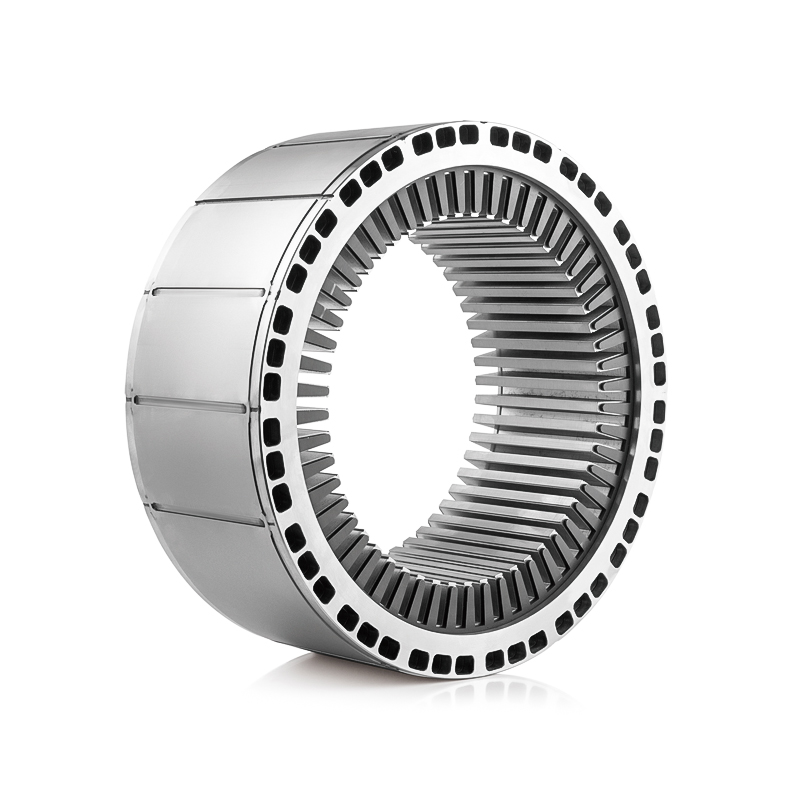
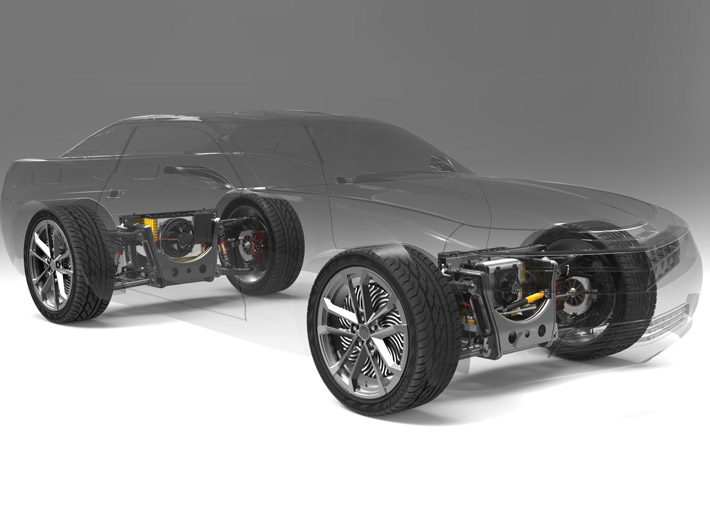 Electric Vehicle Drive Motor Stator and Rotor CoreCompare this electric vehicle drive motor stator and rotor core, with precision lamination and air-gap control, when reviewing production-stage requirements.View Product →
Procurement risks that show up after tooling is cut
The most expensive core problem is not a missing certificate; it is a process drift that appears after the die is committed. Slot geometry, tooth width, burr height, lamination factor, stack height, insulation integrity and rust protection must be measured at production conditions, not only in a sample room. A small burr or a soft stack can force winding trouble, increase scrap and hide until the first pilot build.
- Tooling and strip layout: confirm die clearance, material utilization and expected die maintenance before approving the first strip.
- Burr and edge quality: define the measurement plane, limit and sampling frequency; burr is a process variable.
- Lamination factor: agree how stack density, sheet thickness tolerance and coating build-up are checked.
- Insulation and consolidation: validate the chosen bonding or welding method against heat, vibration and subsequent processes.
- Corrosion protection: match coating or treatment to storage, shipping and the customer's winding or dipping route.
- Measurement capability: require gauge repeatability, fixture control and traceable reports for critical dimensions.
Warning: a first article that passes dimensions can still fail the magnetic or thermal requirement. Approve the stack as a system, including material certificate, lamination build and sample-level loss evidence.
How to evaluate a laminated core supplier
Supplier evaluation should move in the same order as the risk: design communication, tooling capability, stamping control, stack consolidation, measurement and change management. Ask for the process flow, control plan, material traceability, inspection reports and the evidence behind critical process parameters. If a supplier cannot explain how it controls burr, lamination factor and stack height, the quotation is incomplete.
Jufeng Technology presents capabilities around stamping, value-added services, design and development, and measurement and testing, with product families for automotive and non-automotive motor cores. For a wind-power generator motor core, the technical conversation should also cover large-diameter flatness, handling, winding compatibility and how loss targets are supported by the selected steel and stacking route. Buyers can contact the engineering team with a drawing, annual volume and operating profile to begin a practical review.
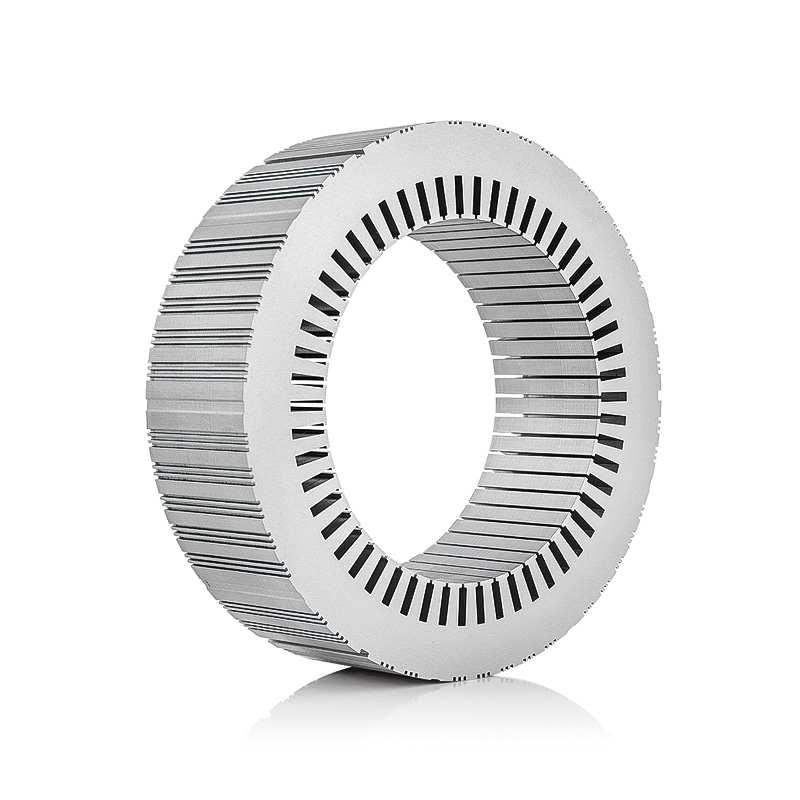
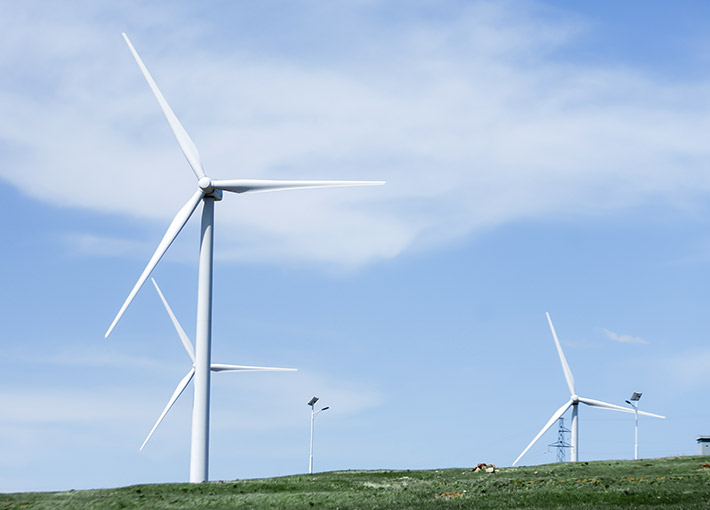 Wind Power Generator Motor Stator and Rotor CoresReview laminated stator and rotor core options for wind turbine generators, including rotor types and large-diameter manufacturing considerations.View Product →
A practical sourcing sequence
A disciplined sequence reduces surprises without turning the project into paperwork. Start with the magnetic and mechanical requirement, then agree the material and stack route, then validate the tool and the first article, then move through pilot and production monitoring. The aim is not a perfect sample; it is a stable process that can repeat the same core across lots.
- Issue a requirement that states speed, frequency, temperature, duty cycle, allowable loss, envelope and annual volume.
- Agree the silicon steel grade, thickness tolerance, insulation coating and stacking method with the electrical design owner.
- Review strip layout, die concept, expected maintenance interval and material utilization before tooling release.
- Approve first-article measurements, material certificates and stack-level evidence against agreed limits.
- Run a pilot lot through the customer's winding, lamination or assembly process; record handling and fit issues.
- Set production monitors for burr, stack height, lamination factor, insulation and visual corrosion protection.
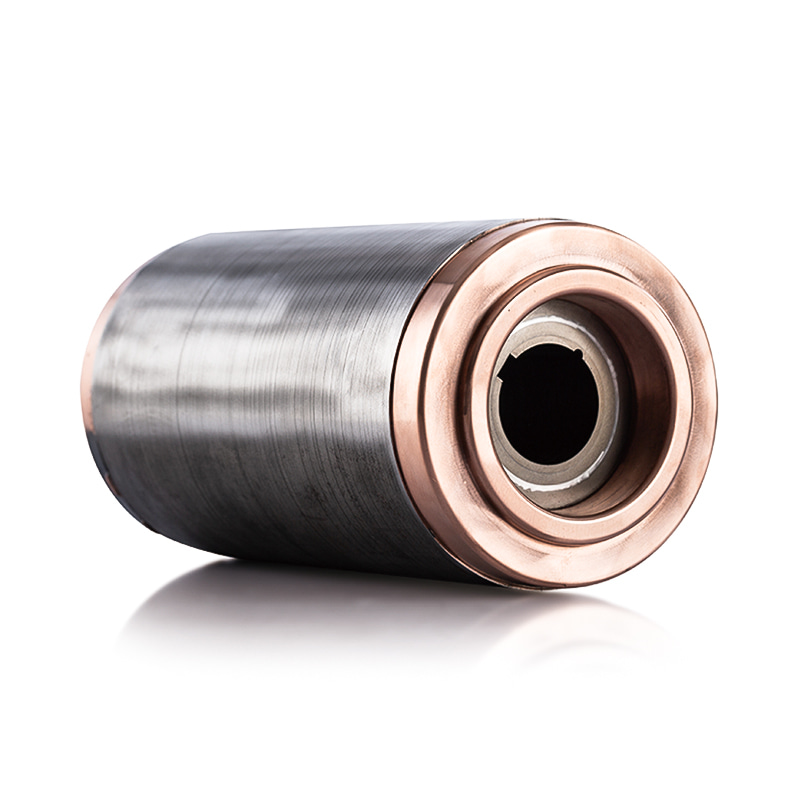
For industrial drive motor cores, the same sequence should include a review of vibration, duty cycle and service-access requirements. The industrial-drive family is a useful place to compare efficiency priorities with the commercial pressure of a repeat-order programme.
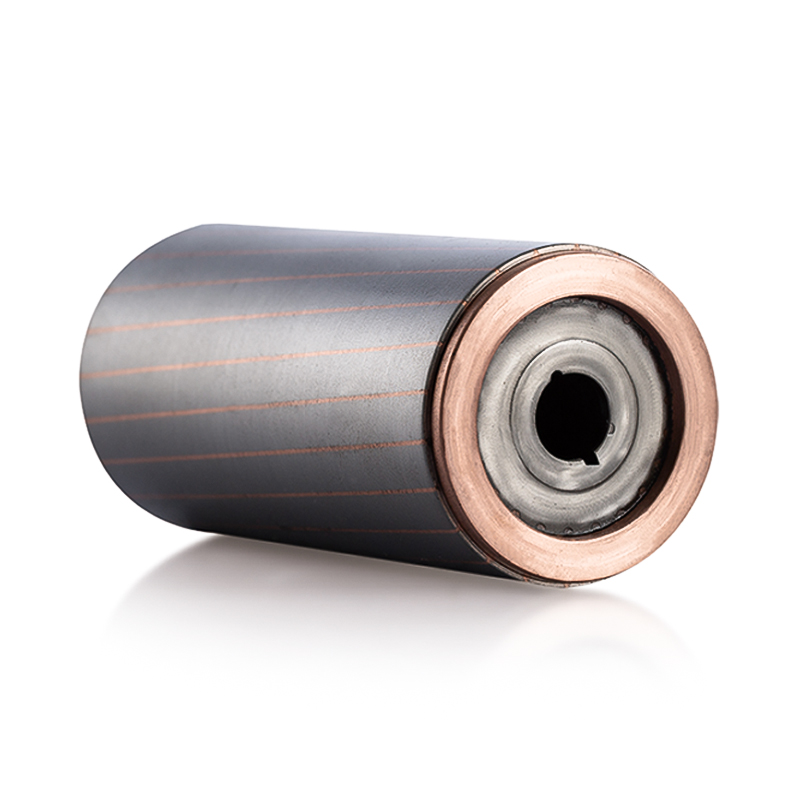
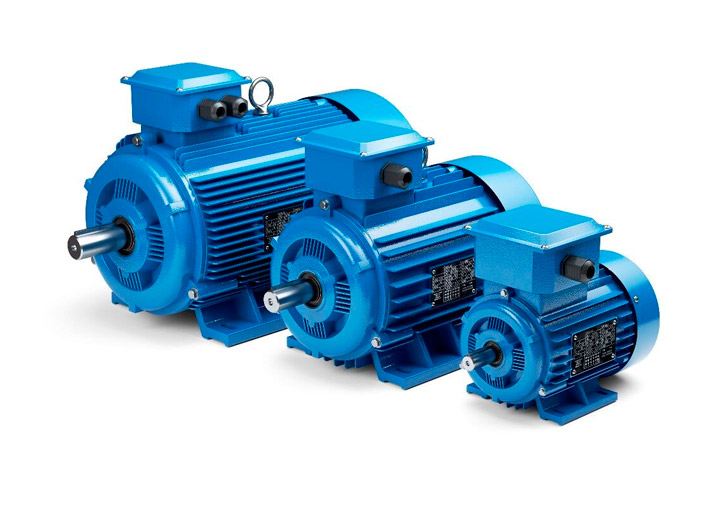 Industrial Drive Motor Stator and Rotor CoreCheck this industrial drive motor core family for laminated stator and rotor designs and copper rotor variants before die release.View Product →
Info: a core supplier's most valuable early input is often a manufacturability comment on the drawing, not a lower quotation. Ask for it before die release.
Laminated iron core silicon steel motor core performance is decided by a chain of small decisions: grade, thickness, insulation, slot design, tooling, stacking and measurement. The purchasing decision should compare total cost across yield, loss, winding fit and long-term process stability. A stack that saves a few cents per part but creates scrap, rework or thermal margin problems is not a bargain. Define the magnetic target, validate the manufacturing window and choose a supplier that can show evidence for both.
Previous article
No more
next article
Steel Progressive Stamping: A Practical Buyer's Guide to Motor Core Cost and Quality
Related News
-
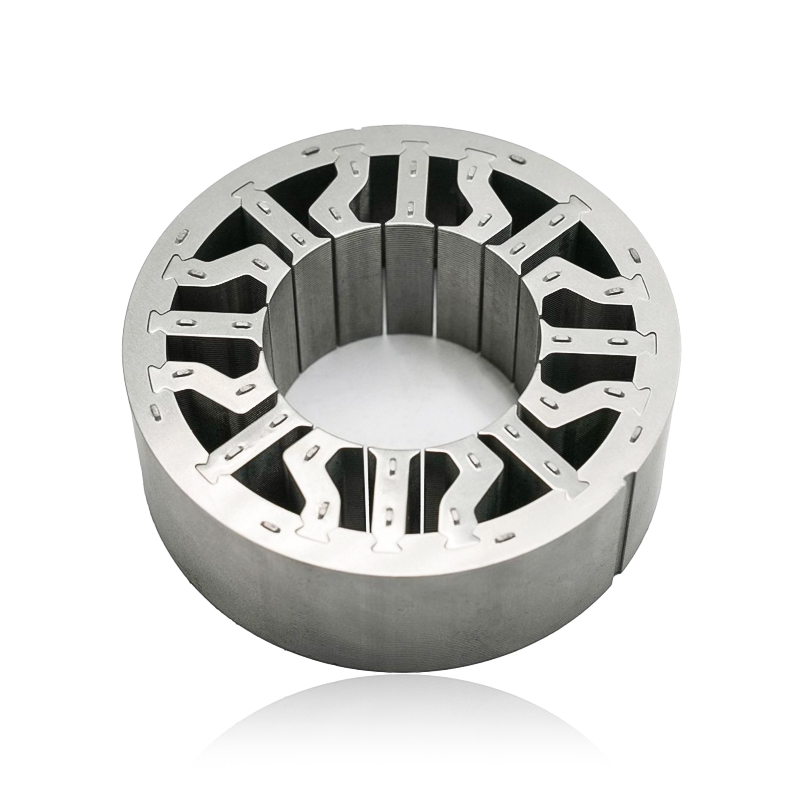
What are Stator and Rotor Cores? Stator Cores A stator core is the stationary component of an electric motor. It's the part that houses the copper windings, which, when an electric current passes thro...
See Details -
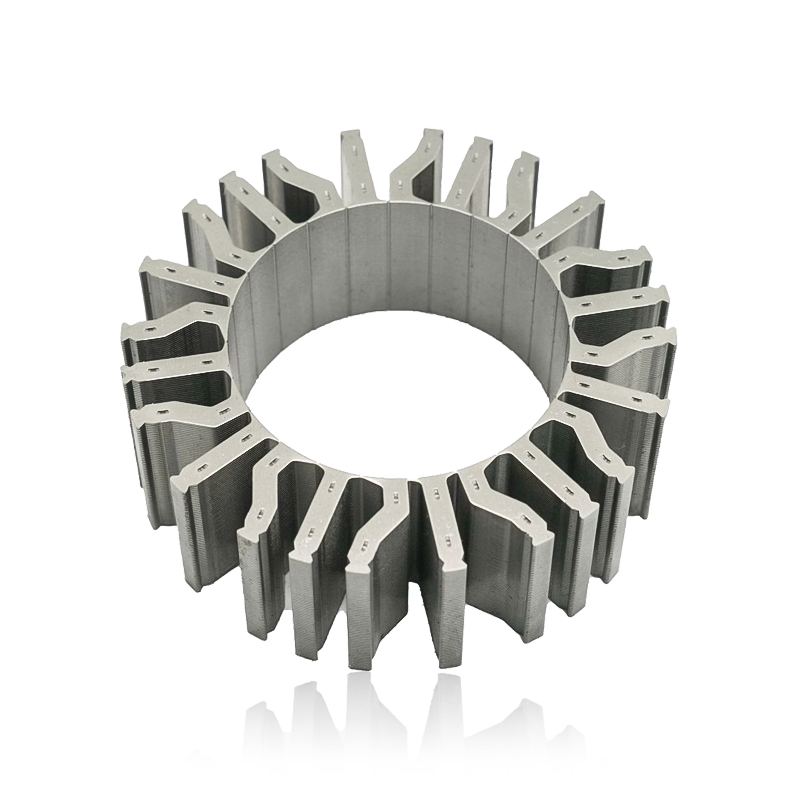
Introduction The modern automobile is a complex machine, and its evolution has been driven by continuous innovation in every component. While internal combustion engines have dominated the industry fo...
See Details -
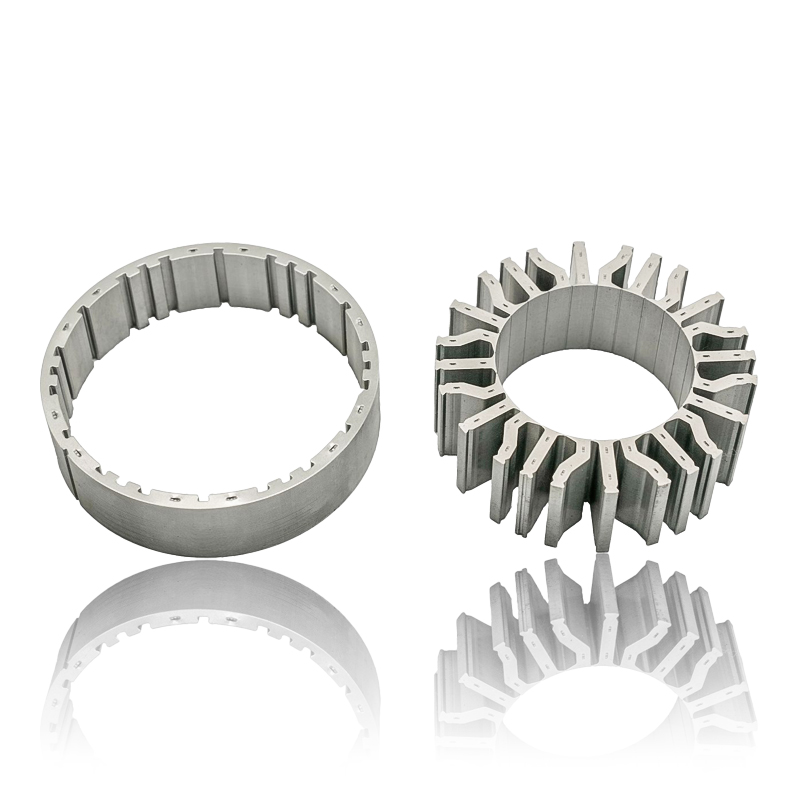
The Importance of Material Selection for Rotor and Stator Cores in Electric Vehicle Motors In the design of electric vehicle (EV) motors, material selection is a pivotal factor influencing the motor’s...
See Details -
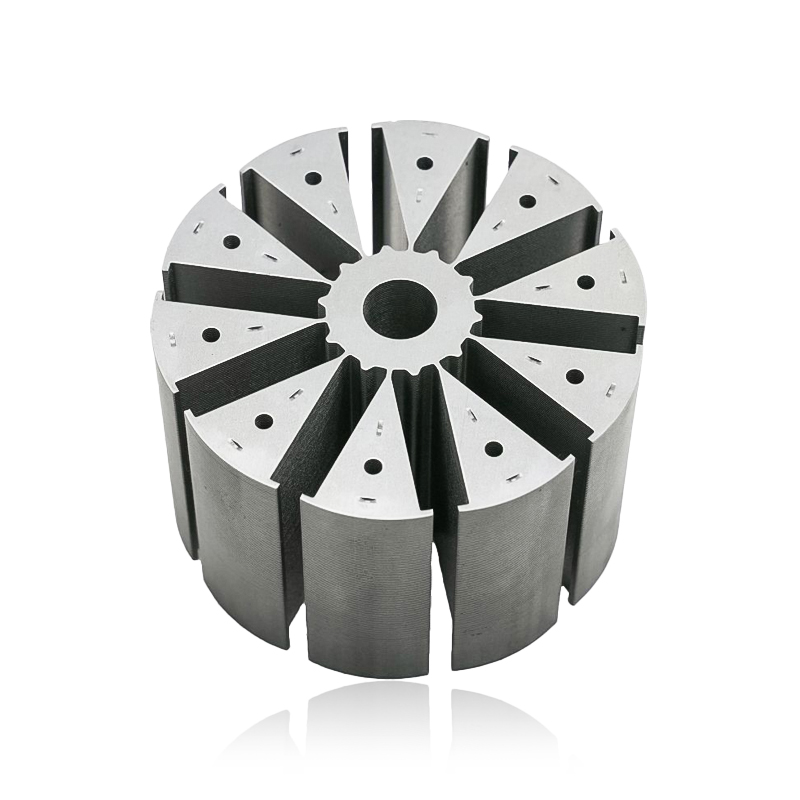
Introduction of automotive motor stator and rotor cores The increasing popularity of electric vehicles and hybrid electric vehicles has brought about significant advancements in automotive technology....
See Details


Zhejiang Jufeng Technology Co., Ltd. © All rights reserved
