
 简体中文
简体中文 English
 русский
 Español
Home / News / Industry News / What Is a DC Motor Core? Laminations, Cored vs Coreless Motors, and Real Uses
What Is a DC Motor Core? Laminations, Cored vs Coreless Motors, and Real Uses
Motor Engineering, Explained
What Is a DC Motor Core? The Laminated Heart That Turns Current Into Torque
Cored or coreless, brushed or brushless — every DC motor is only as good as its magnetic circuit. What the core does, why it is stacked from paper-thin steel, and how the choice shapes cost, smoothness, and control.
Two quotes arrive on a procurement engineer's desk for the same 24 V DC motor: one built on a conventional cored design, one coreless, with a 40 percent price gap between them. Everything that matters about that gap — torque, heat, smoothness, lead time — traces back to a stack of steel sheets few buyers ever see. That stack is the motor core, and reading it well is the fastest way to read a DC motor datasheet intelligently.
A DC motor core is the ferromagnetic structure — nearly always a stack of thin, insulated silicon-steel laminations — that provides the motor's low-reluctance magnetic path and carries its windings. In a classic brushed DC motor, the core is the slotted rotor, or armature, with field poles or permanent magnets closing the circuit on the stator. In brushless DC (BLDC) designs the layout flips: the laminated core sits on the stator and holds the copper while magnets spin on the rotor. Either way, the core is where electrical energy becomes the magnetic tension that turns into torque.
What the Core Actually Does
A core does three jobs at once. It concentrates flux: steel conducts magnetism roughly a thousand times better than air, so the core multiplies the flux density in the air gap and, with it, the torque available per ampere. It carries the windings: slots and teeth hold copper exactly where it interacts with the field. And its geometry sets the motor's character — slot count, tooth shape, and skew decide cogging, torque ripple, and how smoothly the shaft behaves at low speed.
Info — Most DC and BLDC cores are stamped from non-oriented electrical steel in 0.20–0.65 mm thicknesses, coated with a micron-scale insulation layer, and stacked to a build factor of roughly 95–97 percent. Thinner sheet costs more to punch but cuts eddy-current loss sharply at high electrical frequencies.
Why the Core Is Made of Thin Sheets, Not Solid Steel
A solid core would quietly cook itself. As the field in each region of the iron reverses, Faraday's law guarantees circulating eddy currents inside any conductive mass; in solid steel they waste energy as heat. Slicing the core into thin, mutually insulated laminations breaks those loops into tiny ones and collapses the loss to a small fraction of what solid iron would suffer.
Two loss mechanisms set the rules. Eddy-current loss falls roughly with the square of sheet thickness, which is why fast, inverter-driven machines push toward 0.20–0.35 mm stock despite the stamping cost. Hysteresis loss — the energy spent re-magnetizing the steel every cycle — depends on the grade itself, which is why a few percent of silicon is alloyed in to soften the steel's magnetic stubbornness.
The working rule is simple: laminate wherever the flux keeps changing. In a brushed motor with permanent magnets on the stator, the armature core sees a reversing field and gets the thin-sheet treatment, while the stator poles can stay solid. In a BLDC motor the changing field lives in the stator, so it is the stator teeth that are laminated.
From there, making a core is a precision stamping discipline: progressive dies punch sheets by the thousand, self-interlocking tabs or a controlled weld bead hold the stack, and burr height must stay small — commonly specified at just a few percent of sheet thickness — so adjacent laminations never short together and undo the whole insulation scheme.
Cored vs Coreless: Two Different Bargains
The term "cored" describes the conventional machine: windings carried in the slots of an iron core. "Coreless" removes the iron altogether and winds the rotor as a self-supporting, skewed cup or disc that spins directly in the magnet's field. Neither design is simply better; each buys something specific and pays for it somewhere else.
| Attribute | Cored DC Motor | Coreless DC Motor |
|---|---|---|
| Rotor construction | Slotted laminated iron core carrying the windings | Self-supporting copper cup or disc, no iron |
| Torque density | High — iron concentrates flux at the gap | Moderate |
| Cogging and torque ripple | Present; reduced by skew and slot design | Virtually none |
| Response and acceleration | Good | Excellent — very low rotor inertia |
| Thermal behavior | Copper sheds heat into the core | Heat must leave through the winding itself |
| Unit cost at volume | Lower — mature, high-speed stamping | Higher — winding is hand-formed or custom-tooled |
| Typical homes | Power tools, appliances, pumps, automotive actuators | Medical dosing, optics, lab automation, aerospace instruments |
The core is where electricity becomes torque — and where most of the losses decide to live.
Without iron losses and with almost no rotor inertia, a coreless motor accelerates startlingly fast and moves with zero cogging — the reason it dominates precision work such as medical dosing pumps, laboratory automation, camera optics, and aerospace instruments. The cored design answers with higher torque density, far better heat paths, and lower unit cost through mature, high-volume stamping.
Cored designs fight their own weaknesses well. Skewing the laminated stack, shaping the teeth, and choosing sensible slot-and-pole combinations suppress cogging and acoustic noise — which is how a modern servo motor achieves sub-degree repeatability with a fully laminated core in place.
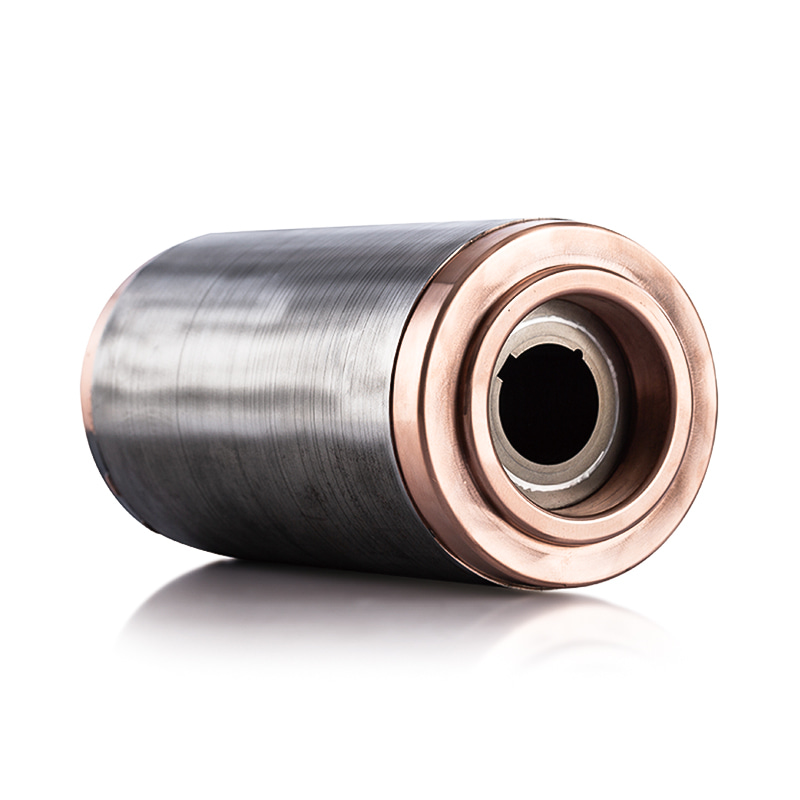
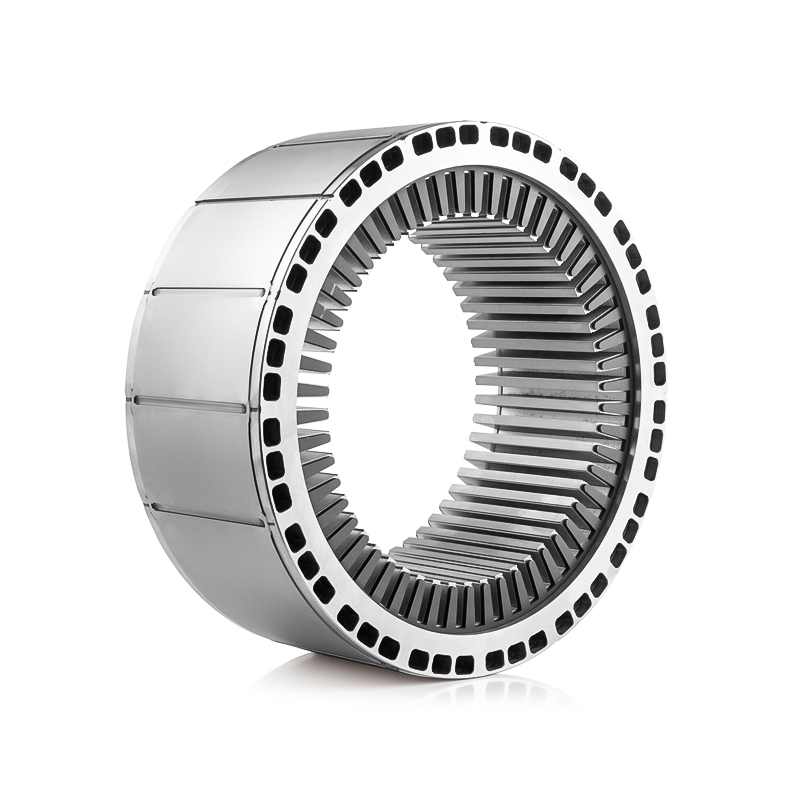
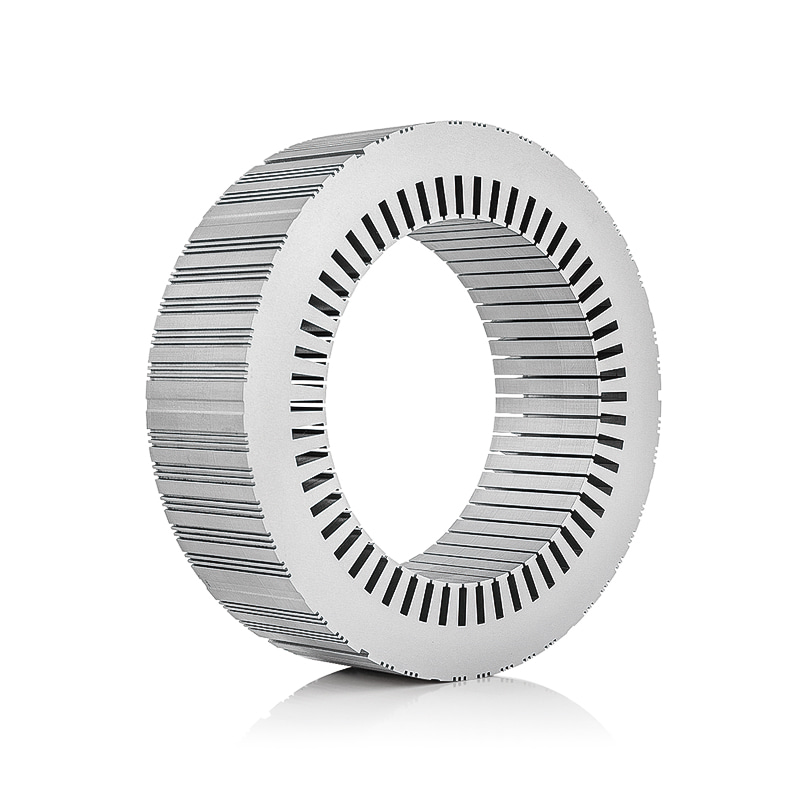
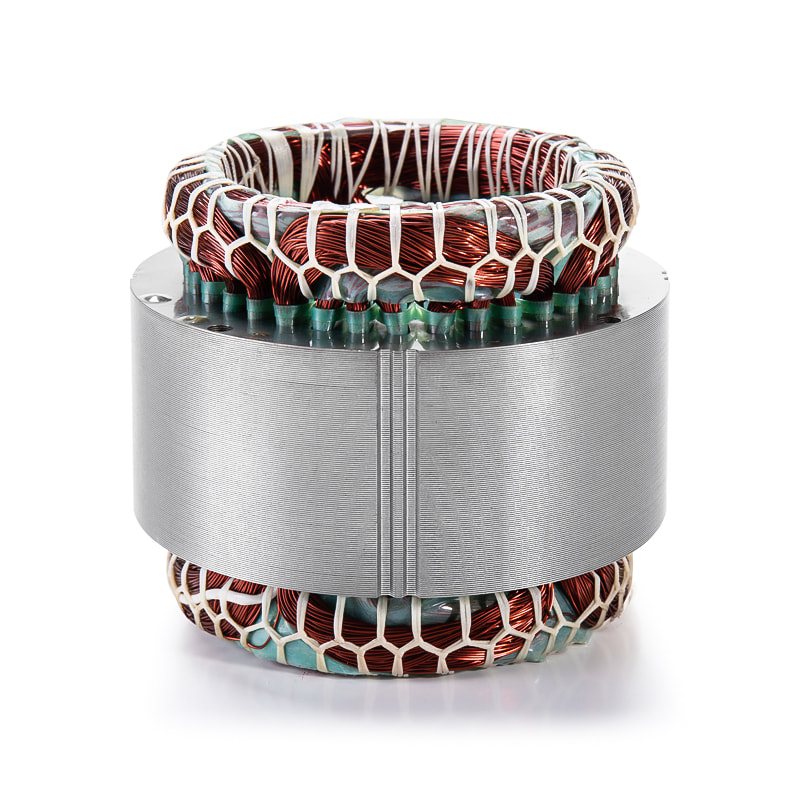
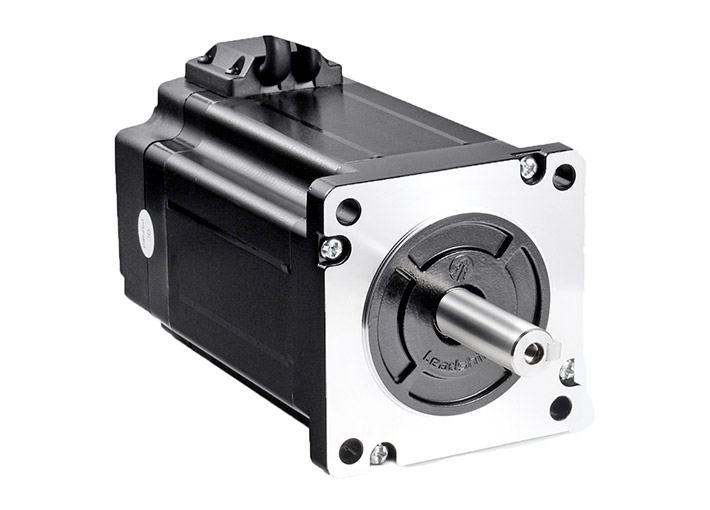 Servo Motor Stator and Rotor CoreLaminated stator and rotor cores built to tight tolerances for servo motors, where skewing, tooth shaping, and slot-pole design suppress cogging and noise, enabling sub-degree repeatability in robotics and industrial machinery.View Product →
Two clarifications keep the comparison honest. Coreless does not mean brushless: coreless rotors exist in both brushed designs, where contacts slide on the winding itself, and brushless ones. And the number of wires tells you about commutation, not the core — a brushed motor of either kind runs from two.
Reading a Core Like a Buyer
For a motor manufacturer or OEM sourcing cores, the numbers that decide performance are concrete: sheet thickness and grade, insulation coating class, burr height, stack-length tolerance, interlock or weld strength, and measured core loss. A short checklist keeps quotes comparable:
- Require mill or batch certificates for the electrical steel actually delivered, not datasheet values alone.
- Put burr height and stacking factor limits on the drawing, then verify both with section checks on received parts.
- Ask whether stamping, stacking, and final measurement run under one quality system — every handoff between vendors adds tolerance drift.
- For inverter-fed or high-speed cores, demand core-loss figures measured at your real electrical frequency, not only at 50 or 60 Hz.
Warning — The cheapest quote often hides the thickest, lowest-grade steel. It punches fast and prices well per kilogram, but iron losses climb exactly where they hurt: hot running, high electrical frequency, long duty cycles. Judge grade and measured loss before price per piece.
Success — A capable core supplier volunteers evidence: batch-linked material certificates, core-loss test reports, dimensional inspection records, and interlock or weld strength data. That transparency predicts smooth mass production better than any brochure.
Material choice is its own trade study — grade, thickness, coating, and even the alloys used in adjacent components interact. For a worked example from the automotive side, our rotor and stator core material selection guide walks through the considerations in detail.
Where Each Design Earns Its Keep
Wherever cost per newton-meter rules, iron cores win: power tools, kitchen and home appliances, pumps, fans, industrial drives, and the dozens of small actuators inside a car — window lifts, wipers, seats, HVAC flaps. These are classic cored DC territory, and the laminated stator and rotor cores behind them run into millions of pieces per year.
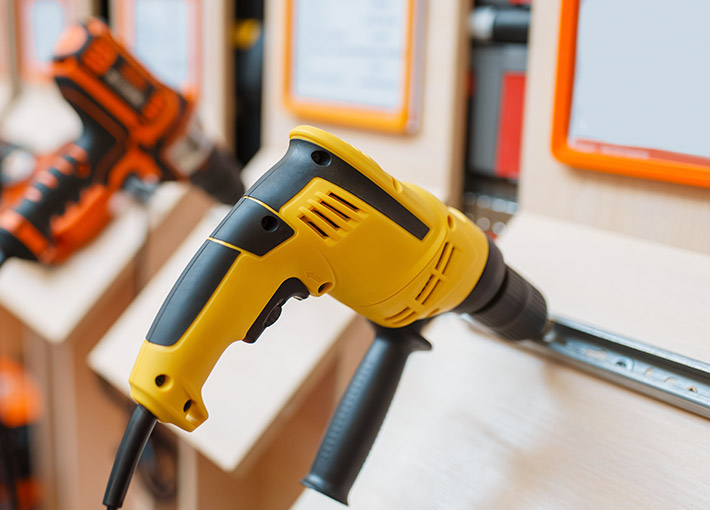 Electric Tool Motor Stator and Rotor CoreLaminated stator and rotor cores for cored DC motors used in power tools, appliances, pumps, fans, and automotive actuators, where stamping quality directly affects efficiency, heat, noise, and cost per newton-meter of torque.View Product →
The same physics scales up. In electric-vehicle drive motors — electronically commuted cousins of the DC machine — the laminated stator core is one of the largest levers on efficiency and range, and stamping quality surfaces directly as noise, heat, and kilometers per charge.
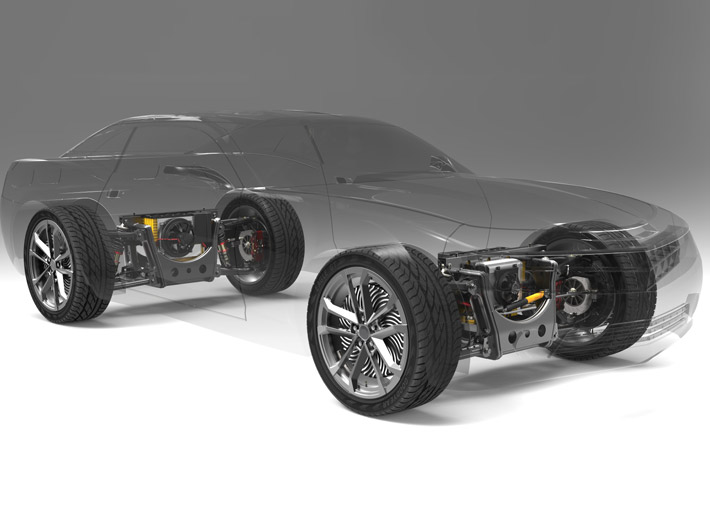 Electric Vehicle Drive Motor Stator and Rotor CorePrecision-laminated stator and rotor cores for EV drive motors, where lamination quality strongly influences efficiency, heat, noise, and driving range, and stamping quality shows up directly as kilometers per charge.View Product →
Danger — Coreless rotors carry very little winding inductance. Driven straight from a PWM chopper, ripple current can spike hard enough to overheat the copper. Choose a higher switching frequency, add series inductance, or confirm the drive is rated for coreless motors.
In short: coreless pays its premium where motion quality is the product — steady microliter dosing, jitter-free optics, fast robot joints. Cored pays off where the product is torque per dollar. Most product lines end up using both, matched to the job.
The Bottom Line
A DC motor core is not a commodity detail; it is the machine's magnetic backbone. Choose cored when torque density, heat handling, and cost lead the requirement list. Choose coreless when smoothness, acceleration, and precision outrank them. Then judge the core itself — steel grade, lamination thickness, burr control, stacking — because that is where quoted performance is quietly won or lost.
We manufacture stator and rotor cores for automotive and industrial motors — from power tools and servo drives to EV traction — and we see every day how lamination quality decides how a finished motor behaves. If you are specifying cores for a new platform, talk to our engineering team about drawings, materials, and loss targets.
Previous article
Typical Efficiency of Electric Motors: Real Ranges by Type, Size, Load and Losses
next article
Motor Rotor Core: How Laminations, Materials and Stacking Shape Performance
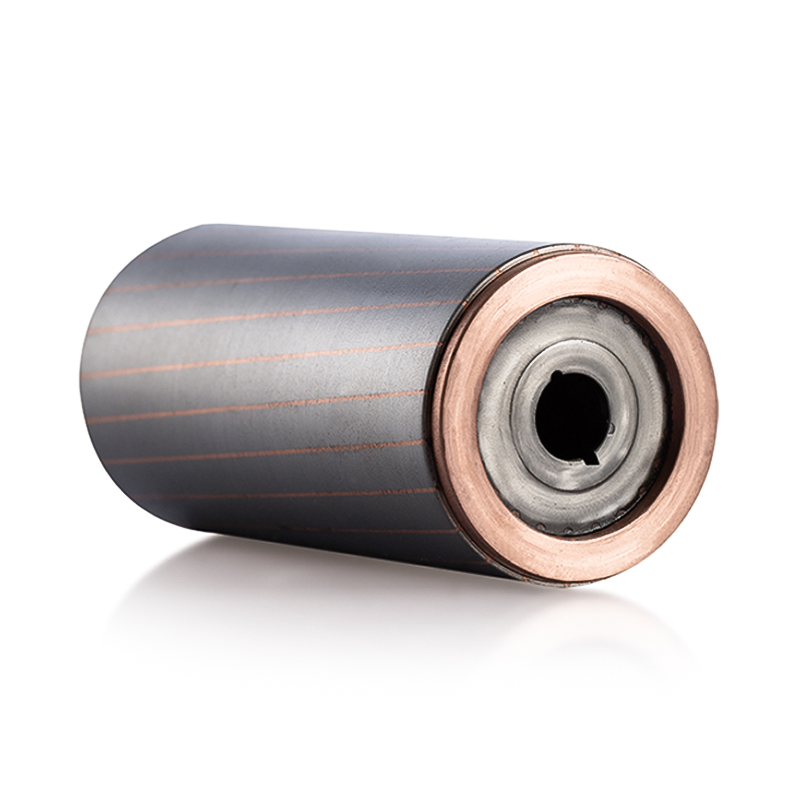
Related News
-
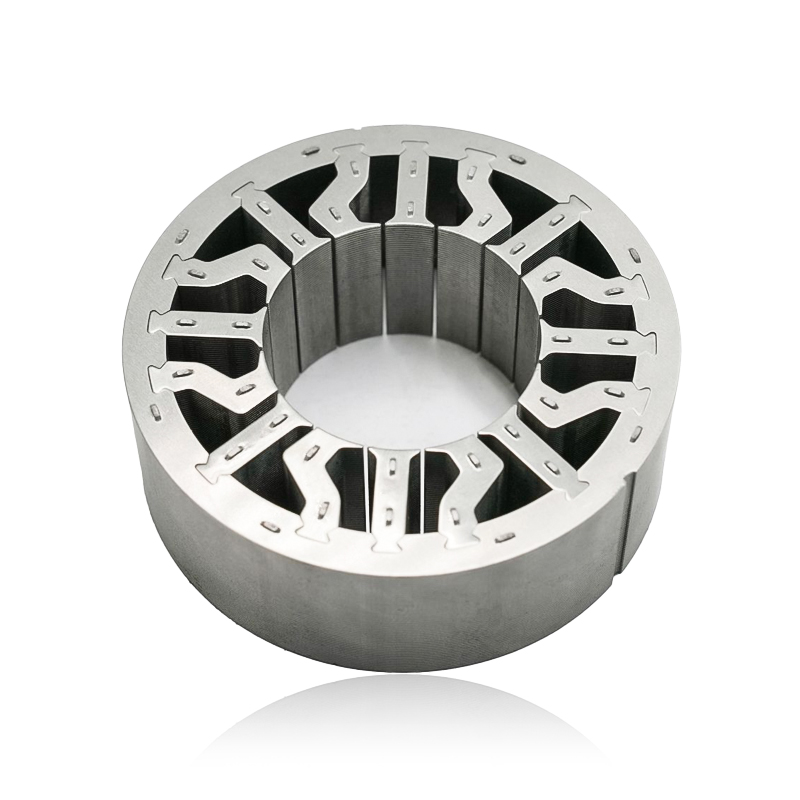
What are Stator and Rotor Cores? Stator Cores A stator core is the stationary component of an electric motor. It's the part that houses the copper windings, which, when an electric current passes thro...
See Details -
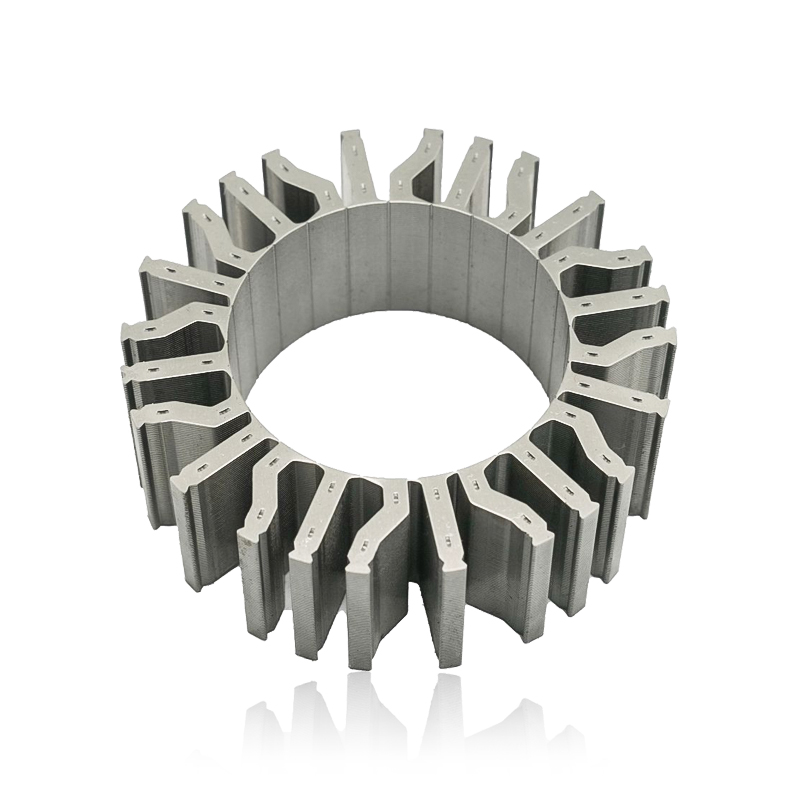
Introduction The modern automobile is a complex machine, and its evolution has been driven by continuous innovation in every component. While internal combustion engines have dominated the industry fo...
See Details -
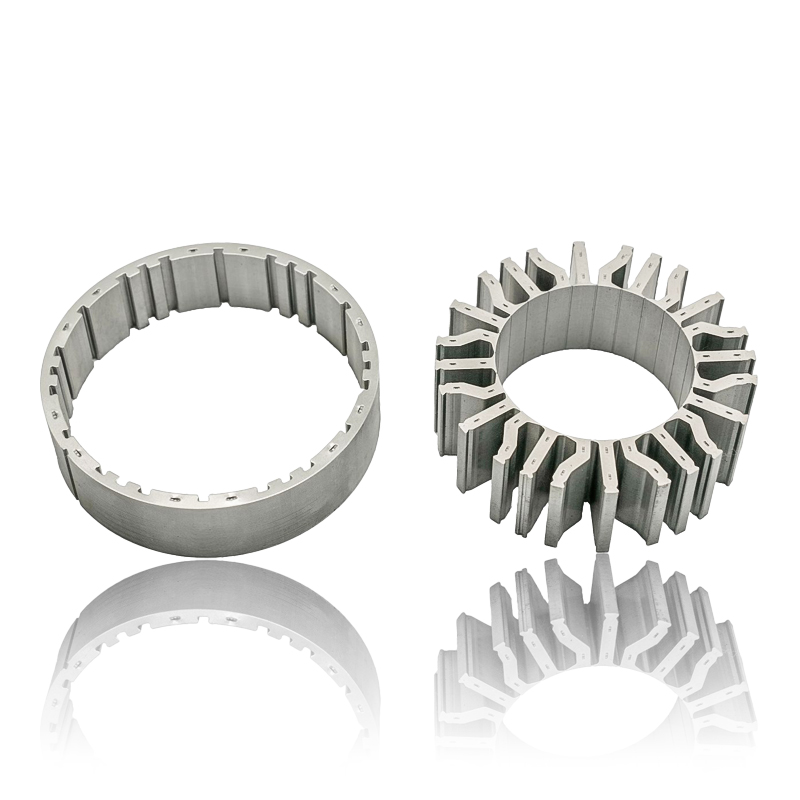
The Importance of Material Selection for Rotor and Stator Cores in Electric Vehicle Motors In the design of electric vehicle (EV) motors, material selection is a pivotal factor influencing the motor’s...
See Details -
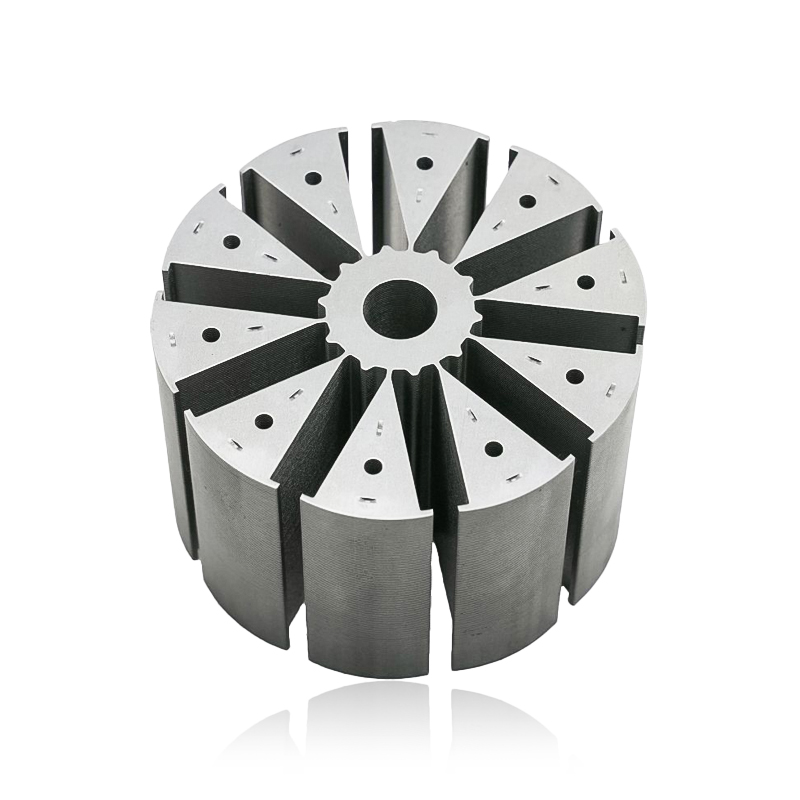
Introduction of automotive motor stator and rotor cores The increasing popularity of electric vehicles and hybrid electric vehicles has brought about significant advancements in automotive technology....
See Details


Zhejiang Jufeng Technology Co., Ltd. © All rights reserved
